R;Link’s musical tale of hockey and war honours moments of cross-cultural connection
In the 2024-25 Korea-Canada Year of Cultural Exchanges, production at BlueShore at CapU sings and speaks in many languages about historical turning point
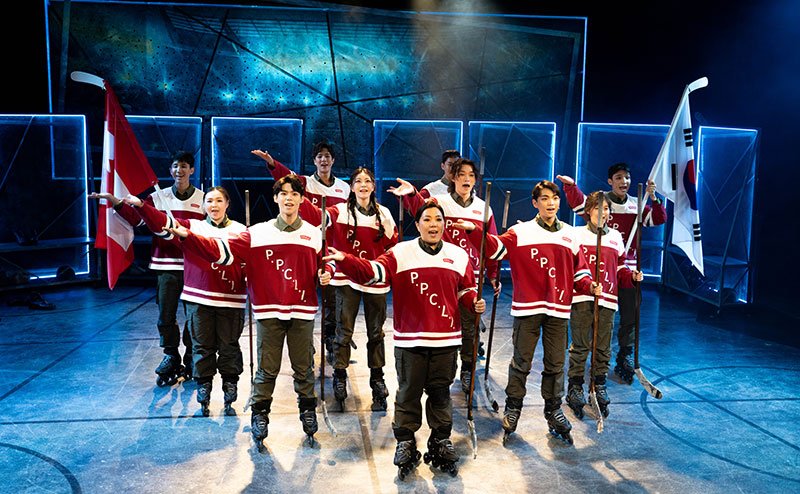
R;Link.
Capilano University, University of Saskatchewan, First Nations University, and Hanyang University present R;Link at the BlueShore at CapU on August 15 at 7:30 pm and August 16 at 3 pm
UPON DISCOVERING THE frigid winters of Korea, Canadian soldiers take to the frozen Imjin River for an exhilarating game of hockey, capturing the attention of locals. Amid the harsh realities of the Korean War, which ran from 1950 to 1953, hockey offers a momentary relief for Canadians and Koreans alike, bridging the cultural gap and forging unlikely bonds.
Based on the 1951 Battle of Gapyeong and the true story of Canadian soldiers who played hockey on the frozen Imjin River, the new musical R;Link follows the heartwarming friendship between Korean soldier Seok-gu and Canadian soldier David, an aspiring ice hockey player. The R in the title stands for “rink”, and Link refers to the connecting of cultures.
“Within that sort of lighthearted context, there are really deep moments of truth and vulnerability about these soldiers being in the midst of a war and finding joy in this moment of quiet and camaraderie,” says Keri Minty in a Zoom interview with Stir. Minty is a dance and movement instructor in CapU’s Musical Theatre and Acting programs and one of the leads for the project.
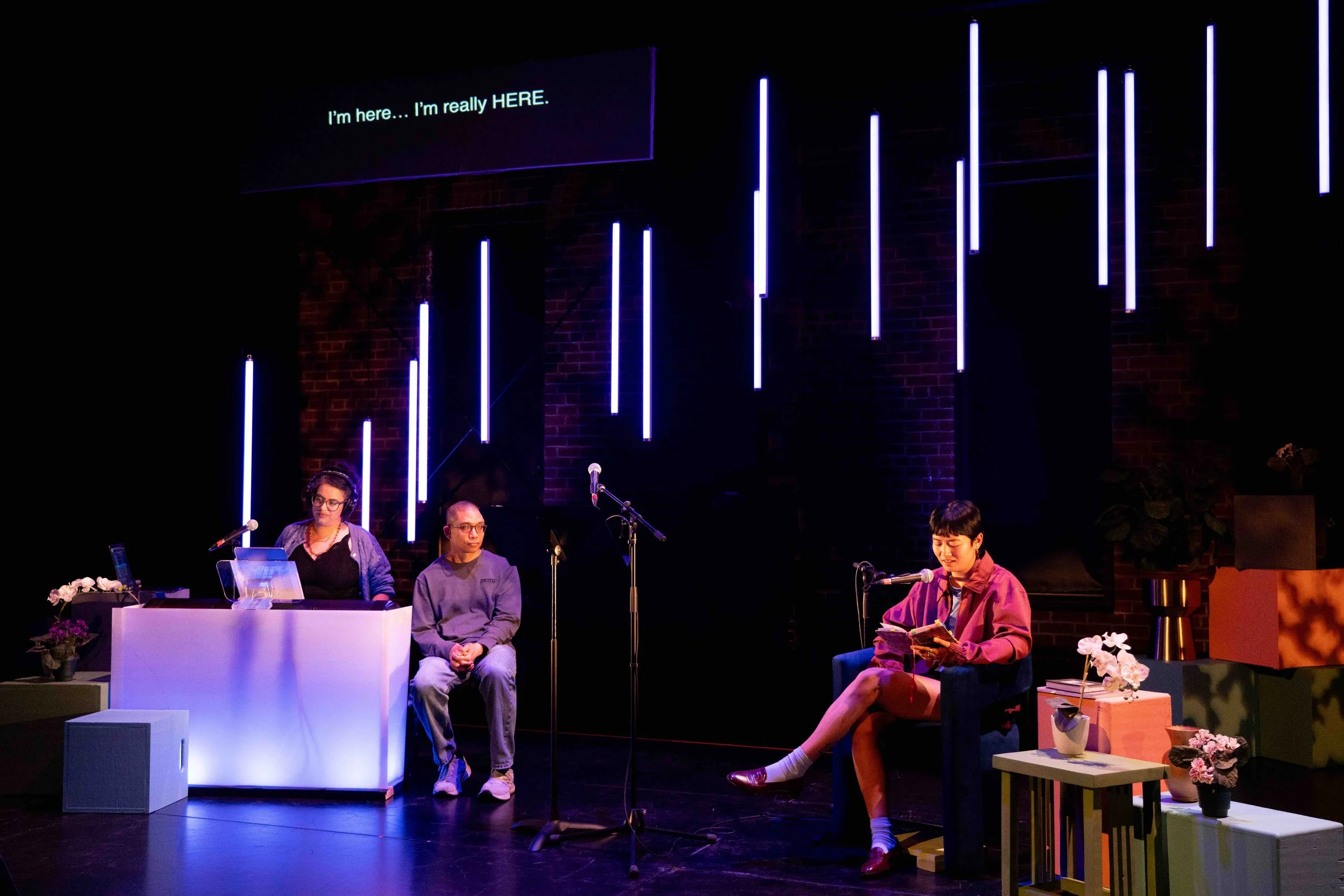
Celebrating the 2024-25 Korea-Canada Year of Cultural Exchanges, the original musical is a collaboration between Hanyang University in Korea, the University of Saskatchewan, Capilano University, and Saskatchewan’s First Nations University. Performed in English, Korean, French, and Cree, with subtitles projected during each show, R;Link premiered in late July in Seoul and is now set to hit the BlueShore at CapU stage here.
The musical’s backdrop—the Battle of Gapyeong—remains one of Canada’s most significant, yet often overlooked, military achievements. Led by Lieutenant Colonel Jim Stone, the 2nd Battalion of the Princess Patricia’s Canadian Light Infantry helped defend a central hill from 5,000 Chinese soldiers. Canadian forces contributed greatly to the turning point in the war, protecting the capital from re-occupation and stabilizing the front lines.
R;Link honours that legacy. “I think that any moment that we can remind our young people in a real meaningful way about the history of our armed forces, and our impact on a global scale is important,” Minty says. “And now more than ever, right? We need to realize that our global impact has existed for a long time, and it can still be impactful today.”
With the Canadian team currently in Korea working on the final production, Minty reflects on the unique opportunities that this experience has brought her and her students.
“Theatre is more than just words—there’s a shared language that we all have,” she explains. “For me, the moving thing about theatre meeting education is that there’s this opportunity to educate our audiences, but also the transformative education that these students are receiving—not only about different theatre practices, but also about history.”
Minty explains that although some of the students know little about the Korean War, many have expressed interest in and personal connections to the project. She’s also received an outpouring of excitement from Korean students, who see themselves represented onstage.
“Most of our theatre in Canada has been very European-centred for a long time, and I think to have this beautiful piece created by and for Koreans in collaboration with Canadians is such a powerful thing for so many,” she says. “We need these stories to be told for and by non-European peoples.”
For Garam Kim, the writer and director from the Korean team, R;Link connects communities both on and off the stage. Blending languages, cultures, and theatrical practices has been a surprisingly smooth and rich process.
“Rather than running into difficulties, we’re encountering a lot of new and interesting aspects,” Kim tells Stir through a Korean interpreter in a Zoom interview. “Since our project is centred on hockey, we’ve faced some limitations in terms of how much we know about the sport here in Korea, but the Canadian co-playwright Tyrone Perreault has shared insights—for example, the rivalry between teams—and that’s helped us understand the cultural context much better.”

Troops playing hockey in Korea in the early 1950s. Photo courtesy of Library and Archives of Canada
That process of cross-cultural discovery didn’t stop with the script.
Kim describes how the production team has attempted to convey the historical and emotional weight of the story through staging, costumes, and props—drawing symbolic parallels between hockey and war through theatrical design. Hockey sticks get used as rifles and hockey pucks as grenades, and barbed-wire fences appear in both the hockey-rink and battle scenes.
“I tried to represent the theme of war and hockey on one stage by using the same props,” she explains. “And these fences for the ice hockey rink also have a war-like image, which we use to show the audience about the realities of war and the stance of being divided.”
With its story rooted in the past, R;Link not only builds bridges between cultures, but also links the past to the present, sparking new conversations and ways of connecting.
“During rehearsals, the actors use different languages, but their hearts connect,” Kim adds. “I think what was shown during our rehearsals will also show to the audience during the actual play.” 

Related Articles