Seeds of Resistance honours the vibrant legacy of Mexican poet Rosario Castellanos
With the Vancouver Latin American Cultural Centre, artists Marco Esccer and Carla Alcántara celebrate the centenary of the feminist writer’s birth

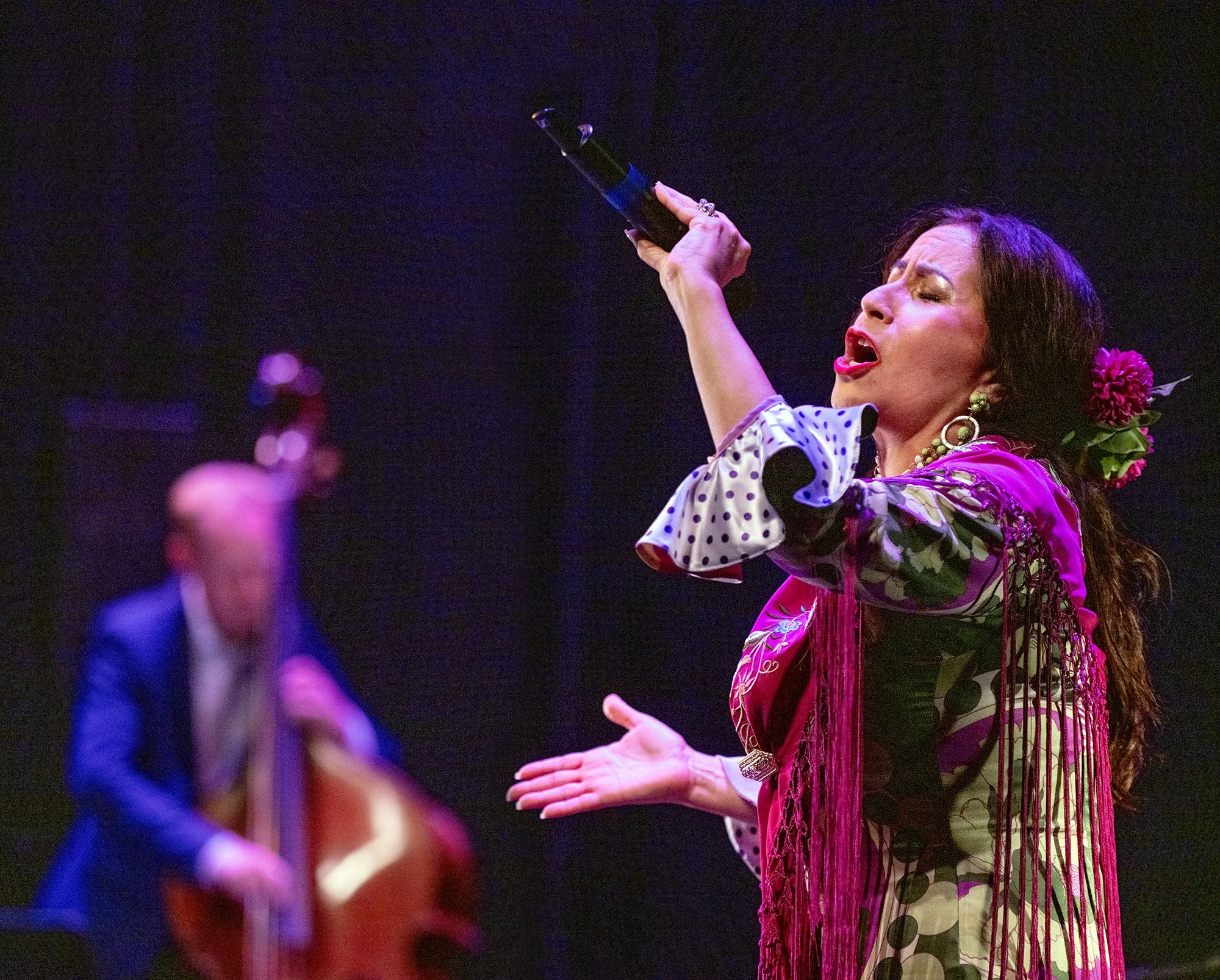
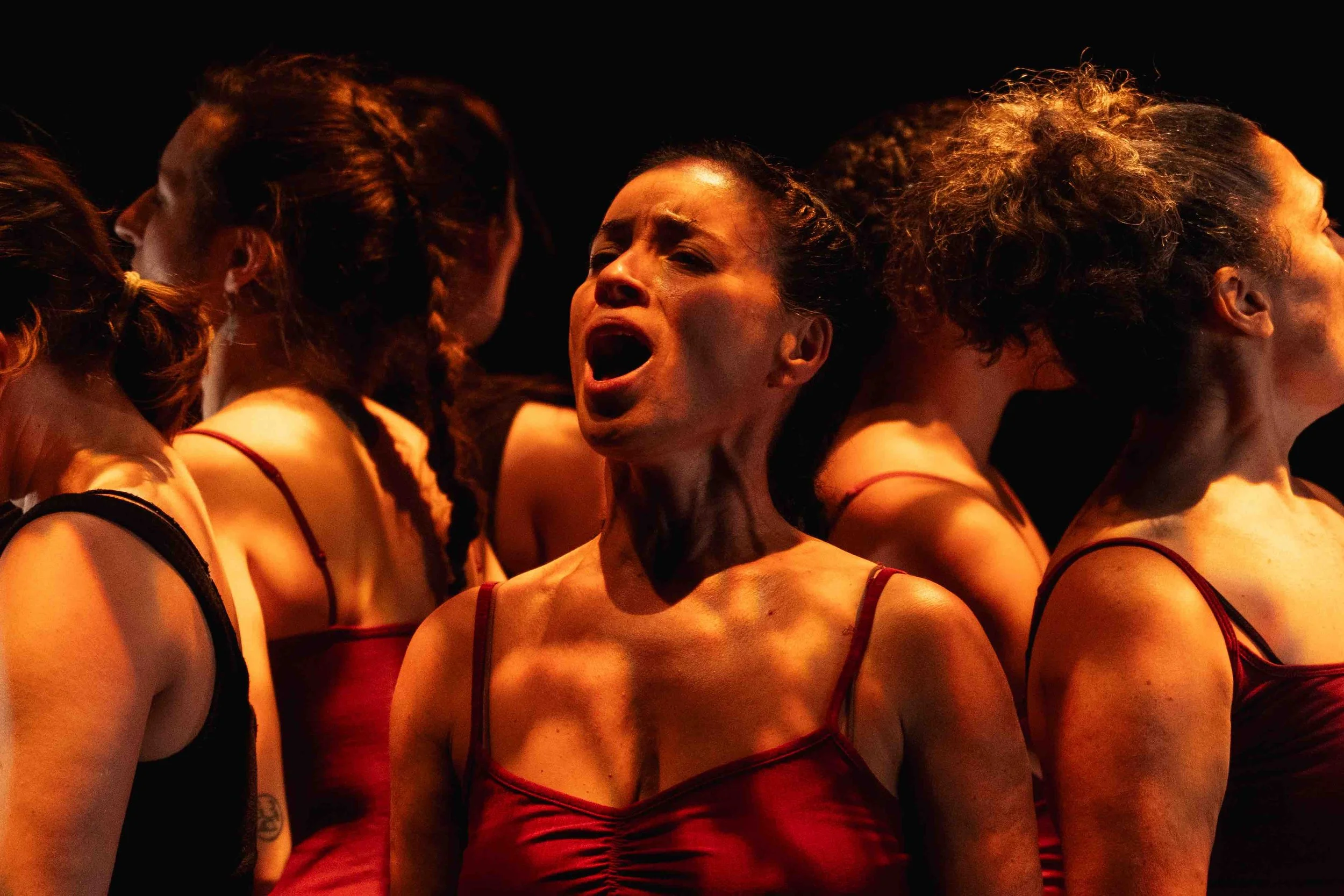
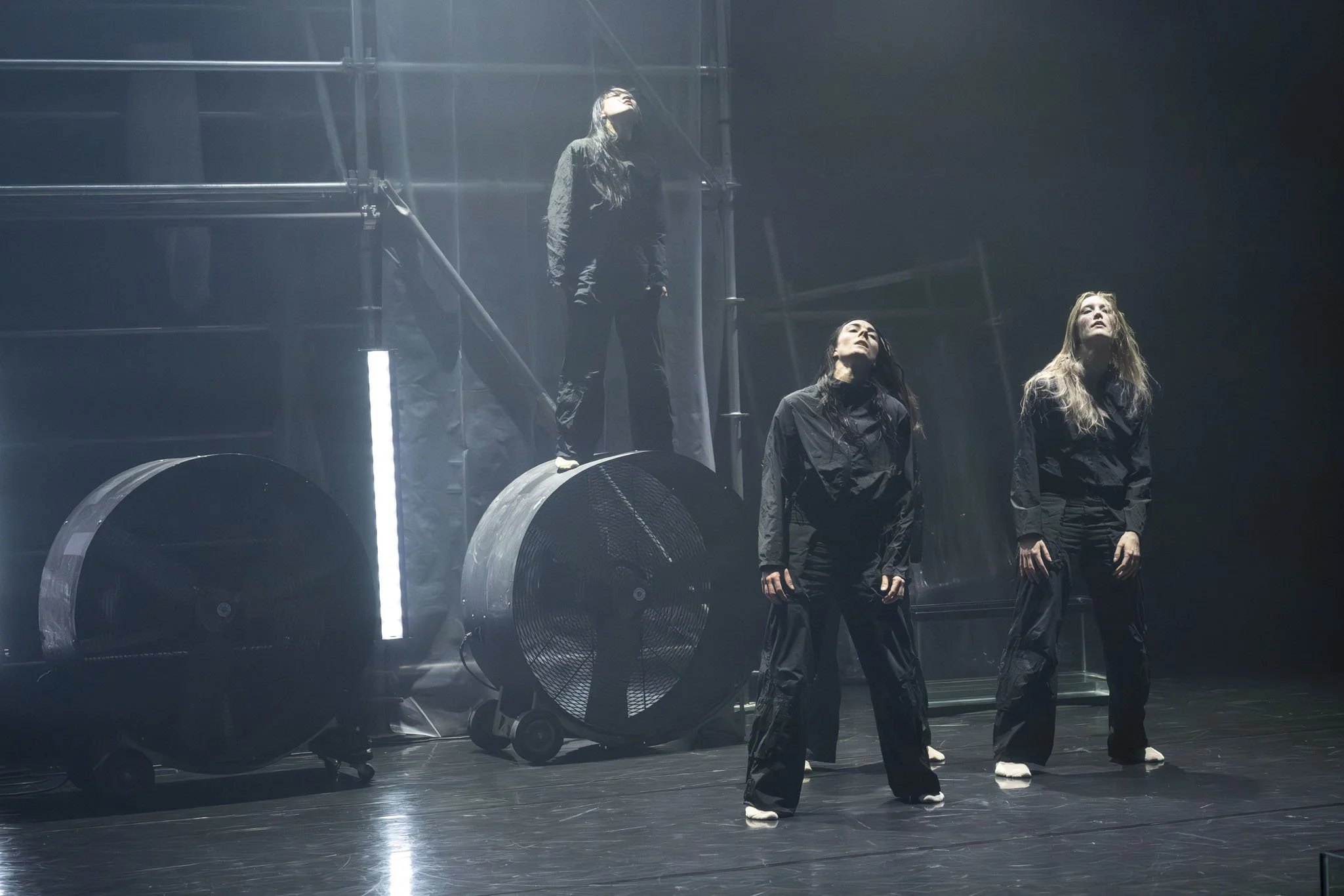
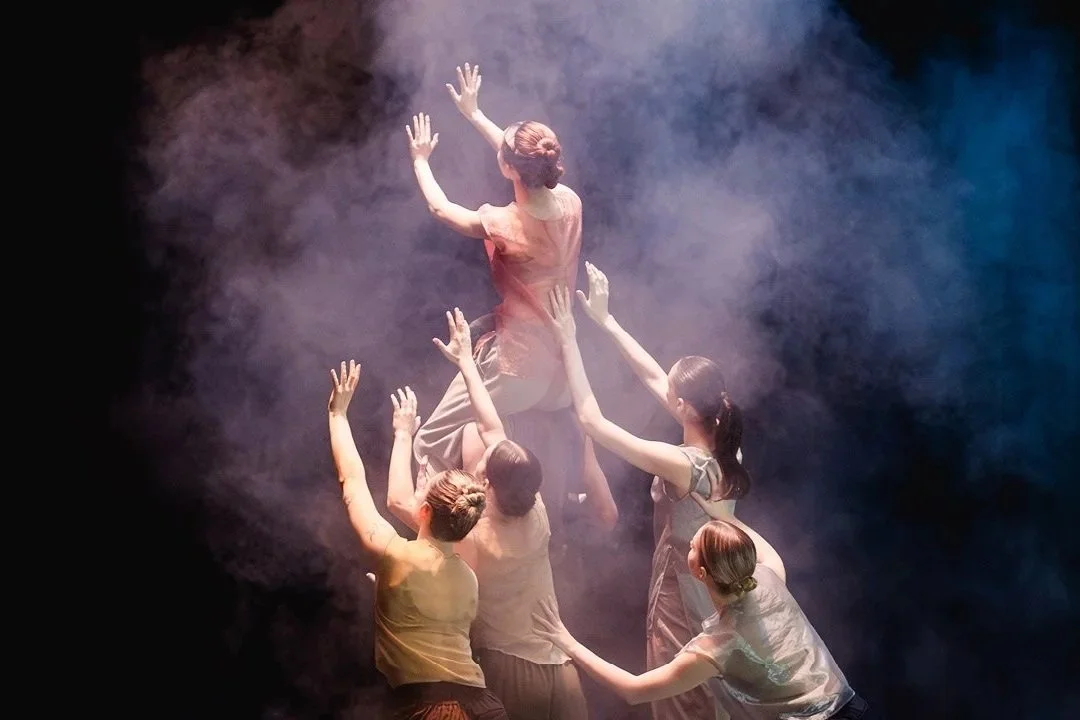
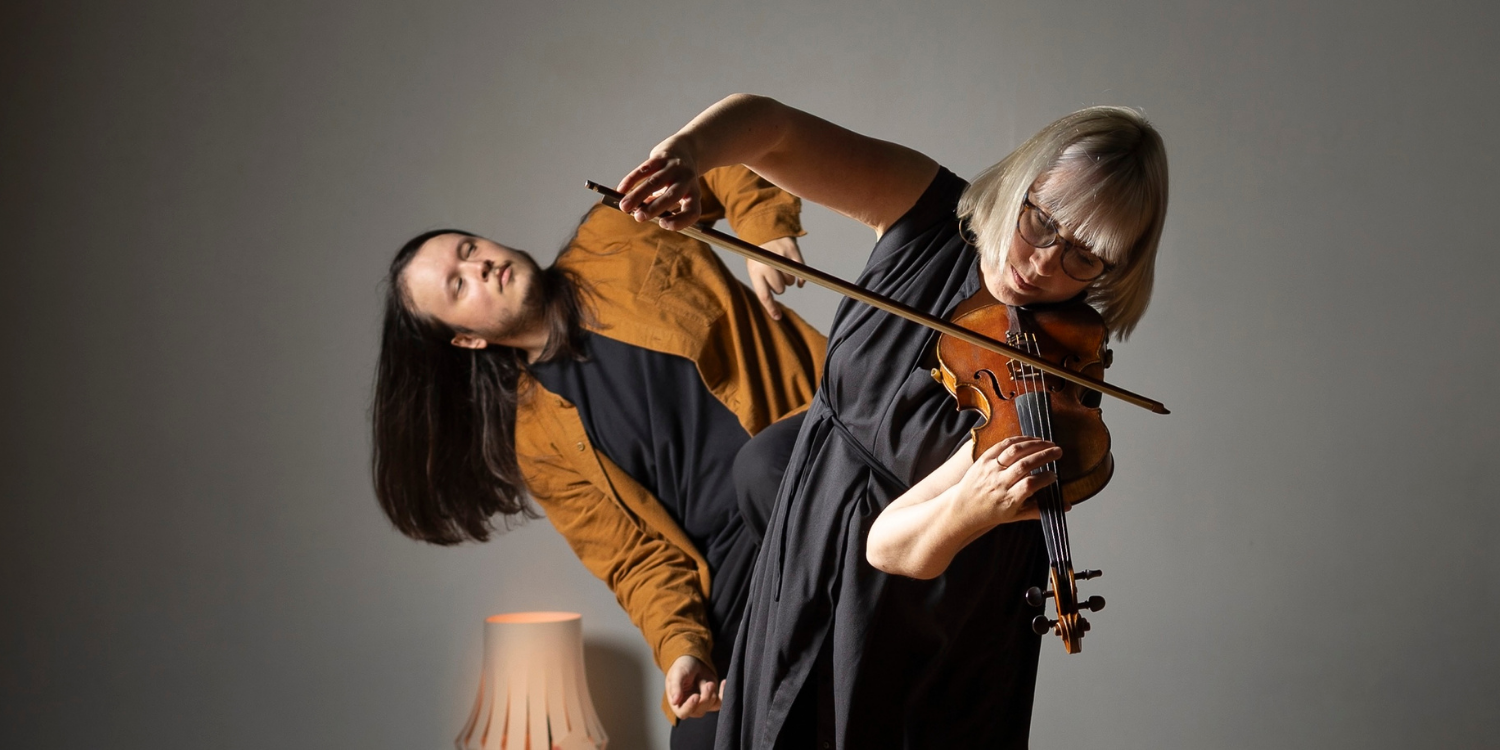
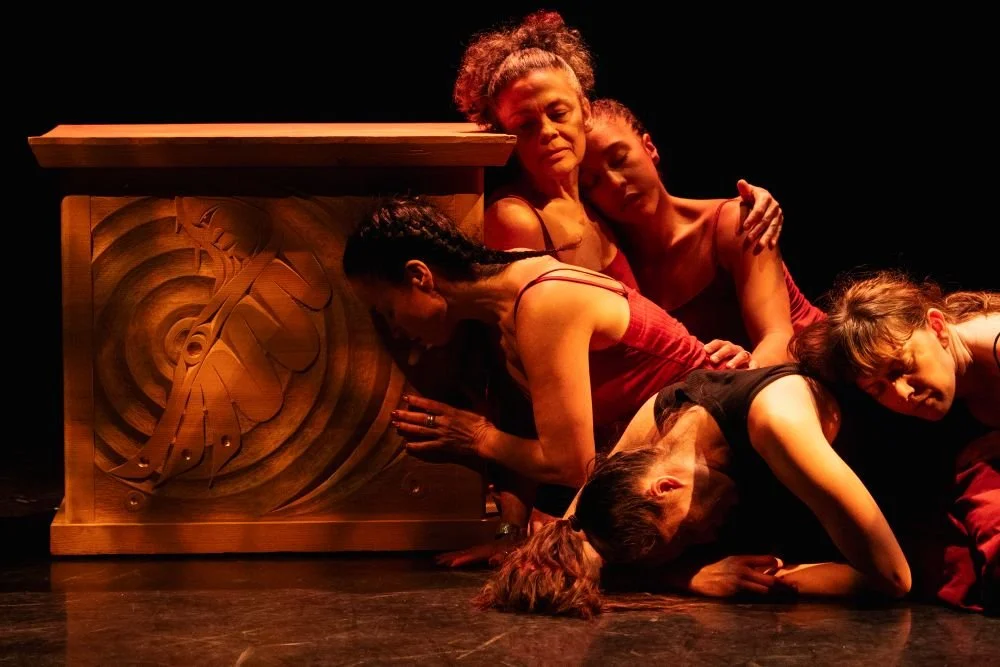
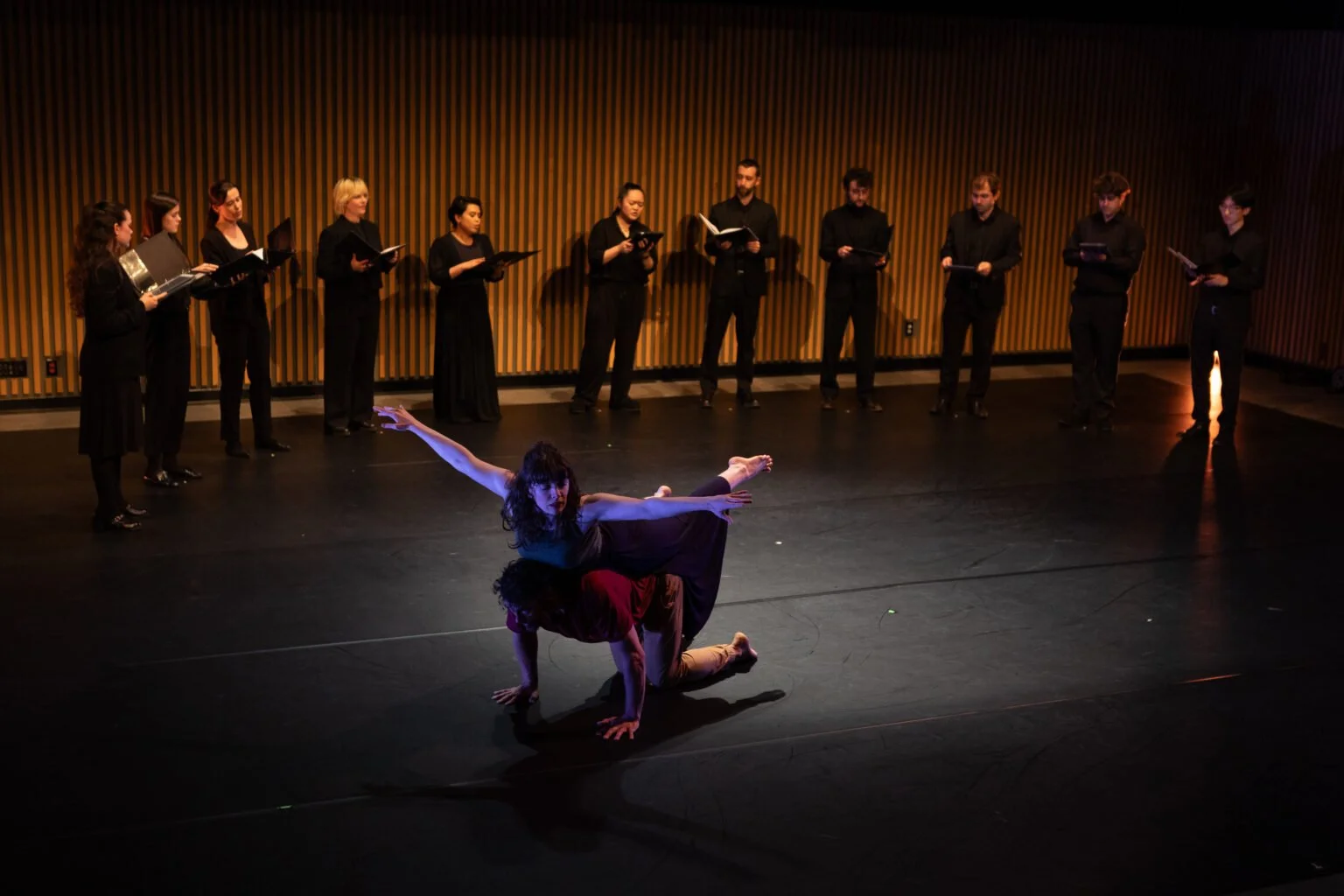
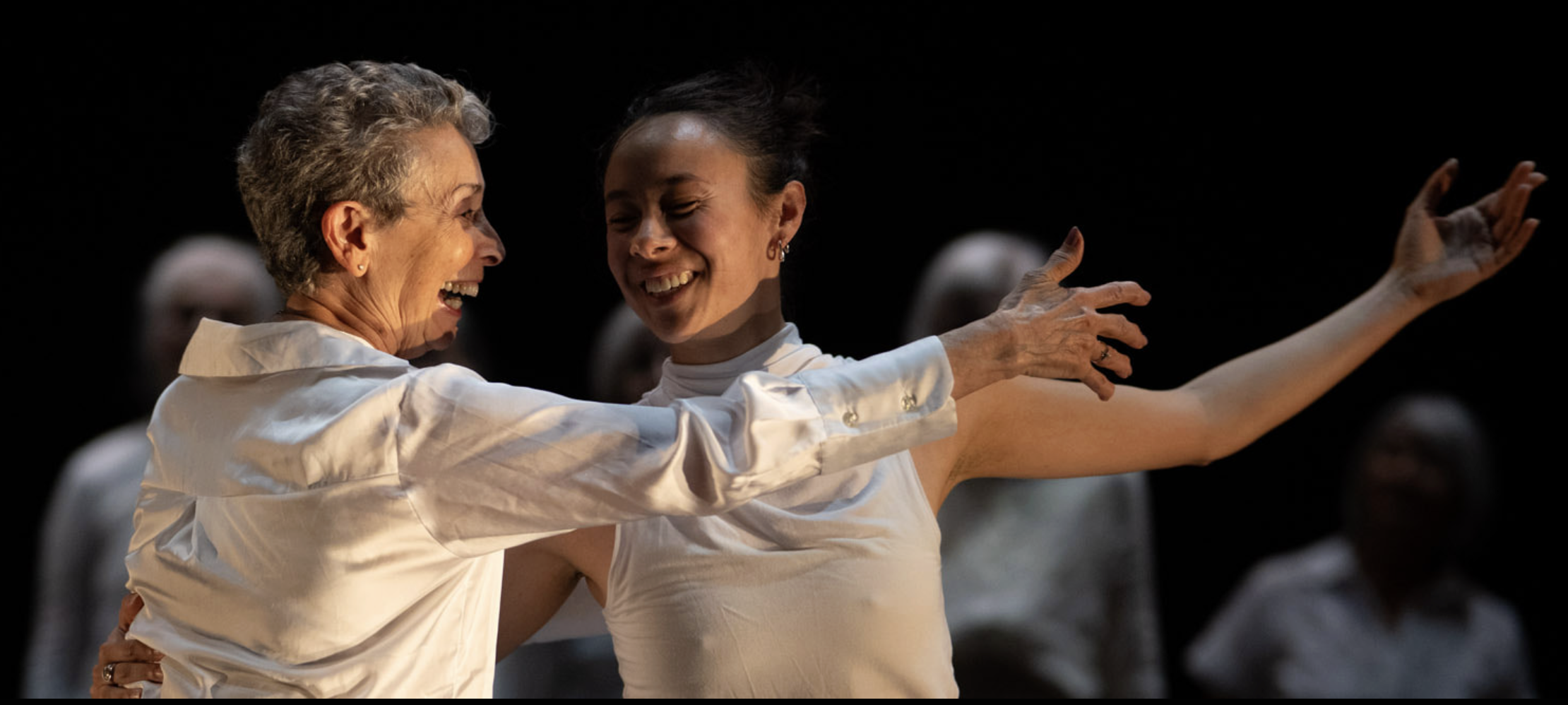
Seeds of Resistance. Photo by Julián Pintor
The Vancouver Latin American Cultural Centre presents Seeds of Resistance, coproduced with TEMPO Dance & Visual Art, at the Roundhouse Community Arts and Recreation Centre on May 15 at 6 pm
“I BEGAN TO RECOGNIZE my own voice and could see three cardinal points to develop: humor, solemn meditation and contact with my carnal and historical roots. And everything was bathed by that livid light of death that makes all matter memorable.”
These are the words of revered feminist writer Rosario Castellanos, from her poetry collection Al pie de la letra (Literally). Castellanos was born in Mexico City in 1925 and raised in the southern state of Chiapas, where her family owned land. She grew up in a privileged household that was waited on by servants and caregivers from marginalized communities, a reality that taught her to see social class structures from a young age and ultimately drove her to write about them. During her lifetime, she published a vast body of work that spans journalism, poetry, novels, and essays.
Her quote from Al pie de la letra became a pivotal point of inspiration for artists Marco Esccer and Carla Alcántara, who are celebrating the centenary of Castellanos’s birth with the multidisciplinary performance Seeds of Resistance, commissioned by the Vancouver Latin American Cultural Centre. It marks the pair’s first project together as co-artistic directors of TEMPO Dance & Visual Art.
“I think Rosario was always super ahead of her time,” Alcántara tells Stir over a Zoom call with Esccer. “The fact that she had the bravery and the courage to say things that were not said at that time was so important for all women. She approached marriage, maternity, and women’s roles in a very progressive way. In the ’50s and ’60s, nobody would talk about that, and she would go like, ‘Maternity is not always super pretty. There are many struggles.’ So she was always giving a voice to all of those women that couldn’t talk about that.”
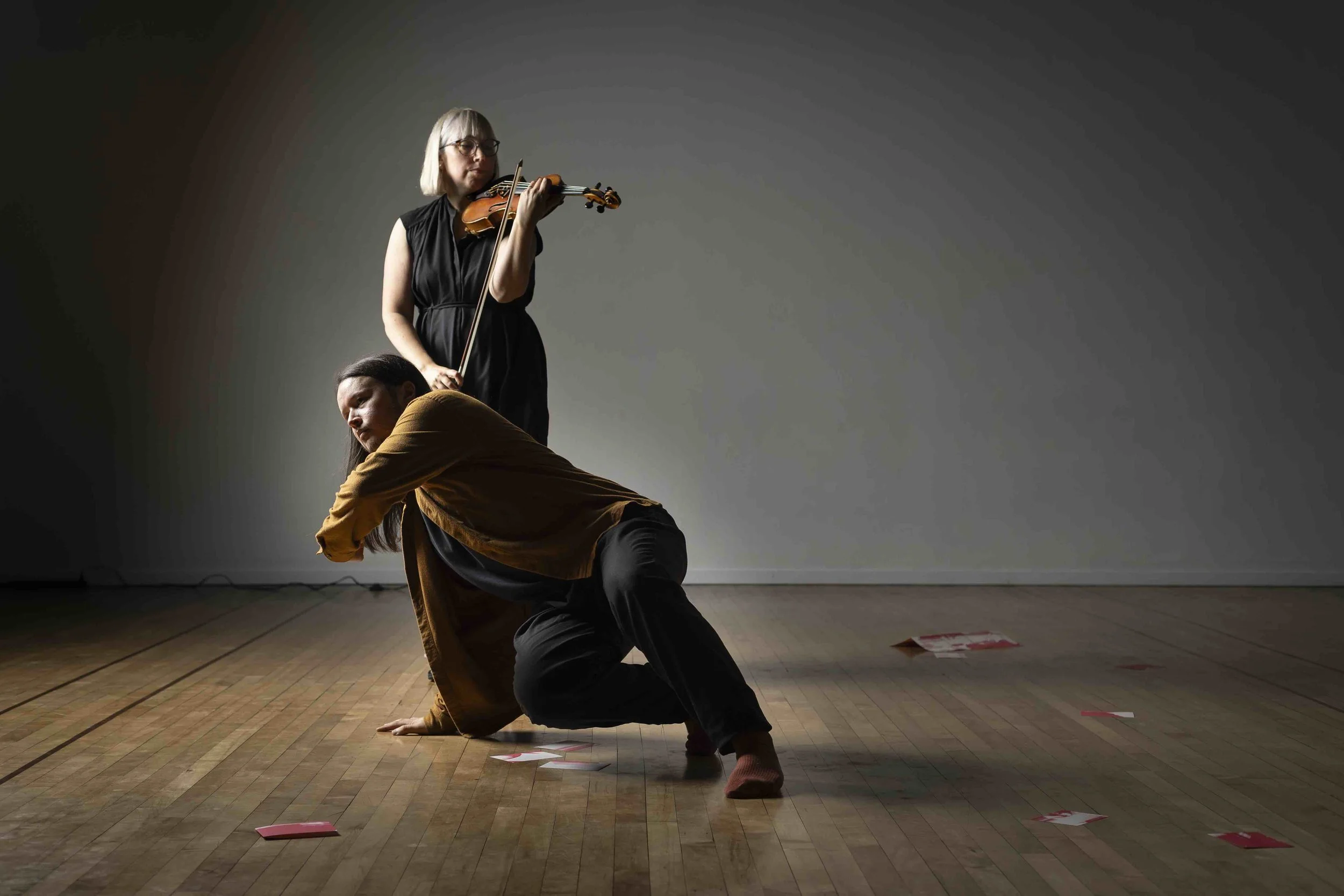
Seeds of Resistance is a two-part endeavour. The first component is a “living installation” made in collaboration with artist Juliana Silva (who is also the costume designer for the piece) that will form a pathway to the entrance of the theatre. Several stations will teach attendees about different aspects of Castellanos’s work, including the political context behind much of it, and there will be opportunities to appreciate visual art and interact with the exhibition in writing. The second part of the event is a performance that draws on contemporary dance, spoken word, video projections, and live music by Mexican artist RCHRDY.
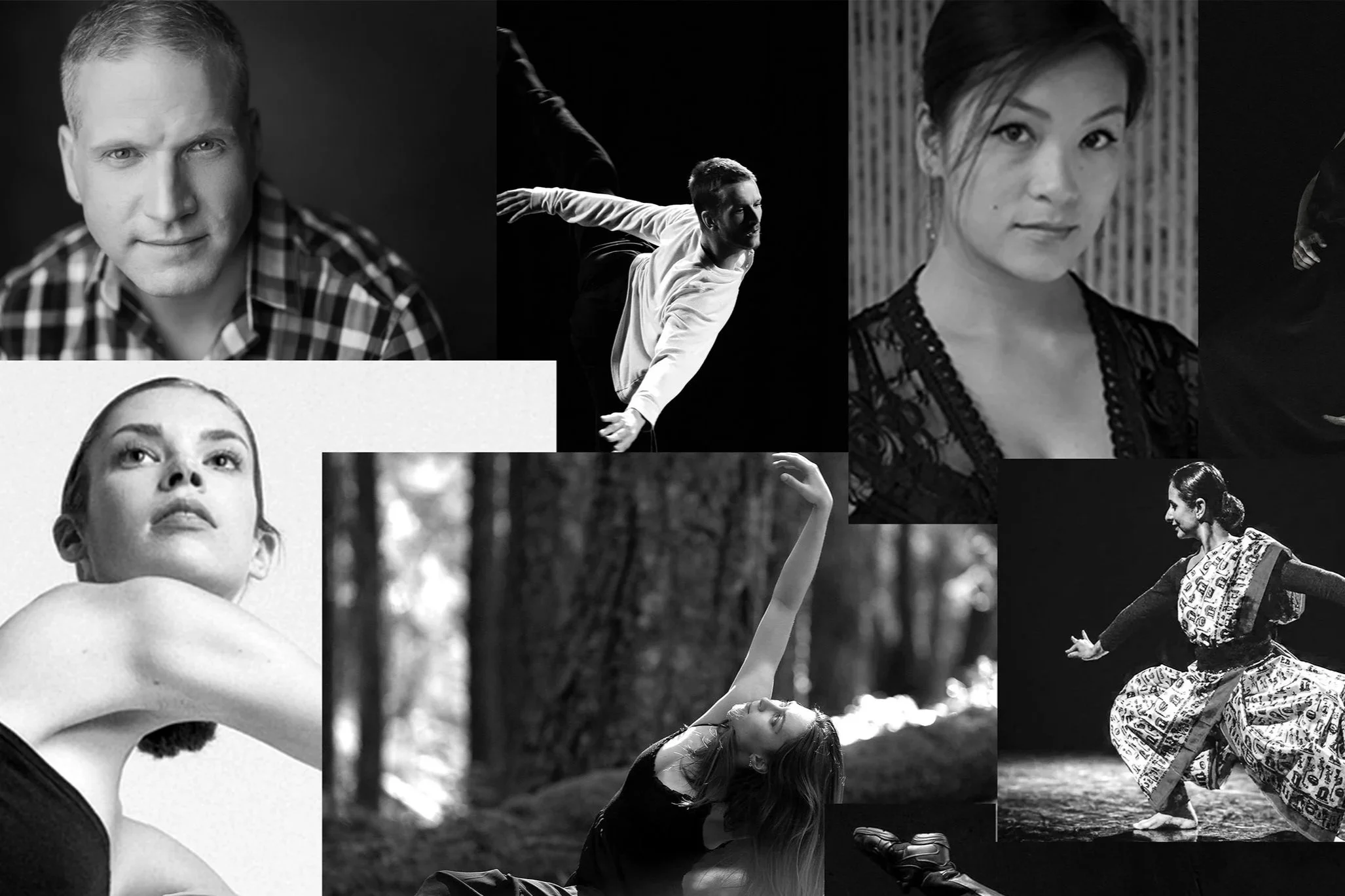
Esccer and Alcántara both recently moved to Vancouver from the Satélite area, which is on the outskirts of Mexico City. They’re joined for the performance by Judith Colibrí and Silene Razo, who were also born and raised in Mexico. That shared upbringing gives the team a sense of unity and some additional context for Castellanos’s writing—but ultimately, say Esccer and Alcántara, her words are universal.
Many of Castellanos’s experiences as a child informed what she wrote about. When her younger brother Benjamin died of appendicitis, for instance, she overheard her mother wonder solemnly why it was her boy who had died and not her girl, a heart-wrenching statement that drove Castellanos’s inquiries into gender roles and feminism. She also wrote about the realities faced by Indigenous communities, influenced by the Mayan people who worked for her family. When her parents passed away, she gifted the land she had inherited to the labourers who had worked on it for so long, and even translated the Mexican constitution into the Tzotzil language for them to read.
But Castellanos addresses those heavy themes in a clever way in her writing: “All her work is really striking, because she’s to the point, but she’s also very ironic,” Esccer says.
“I consider it a very smart strategy for her to voice her ideas through humour,” Alcántara adds, noting that it was a way for the writer to make her perspective heard in an era when “women were shut down all the time”.
Translating that courage and candour into a physical performance has been a difficult but welcome task, say the artists.
“We’ve been playing with different dynamics and tones and finding that balance of moving towards a bit more of a profound and poetic aspect,” Alcántara says, “and then striking and going to the point, and then [finding] humour. So it has definitely been a challenge, but it has been super rewarding being able to navigate through all of that and also recognizing how that is moving us as performers, right? Because we’re both inside—not only directing, but also living the process as performers. And it’s so interesting to navigate all of those topics through this spectrum of tones.”
Given its large scope, Seeds of Resistance came together with the help of several other collaborators, including project initiator and literary consultant Nancy Ross (a translation scholar who has been working with Castellanos’s writings for more than two decades), dramaturge Ana Maria Carrizales, video mentor Caroline Maccaull, and lighting designer Victoria Bell. A talkback and reception will follow the installation and performance, giving attendees the opportunity to reflect on what they experienced.
Castellanos was always questioning the world around her; though she was a feminist, much of her writing criticized the movement. One of her main gripes with it was “Why do we want to be like men, if men are not realized and fulfilled?” says Esccer, paraphrasing an old interview with Castellanos that is incorporated into the installation. “We need to create something different. We need to really create a feminism that goes beyond that. And what is that?”
With so many multidisciplinary facets to explore, Seeds of Resistance picks up where Castellanos left off in exploring what that feminist future could look like. 

Related Articles