Stir Q&A: Rachel Helten’s Bright Shadow explores new possibilities for the collective future
In her interdisciplinary performance, the dancer-choreographer draws on the Jungian concept of “golden shadow” and her personal experiences of imagining brighter worlds

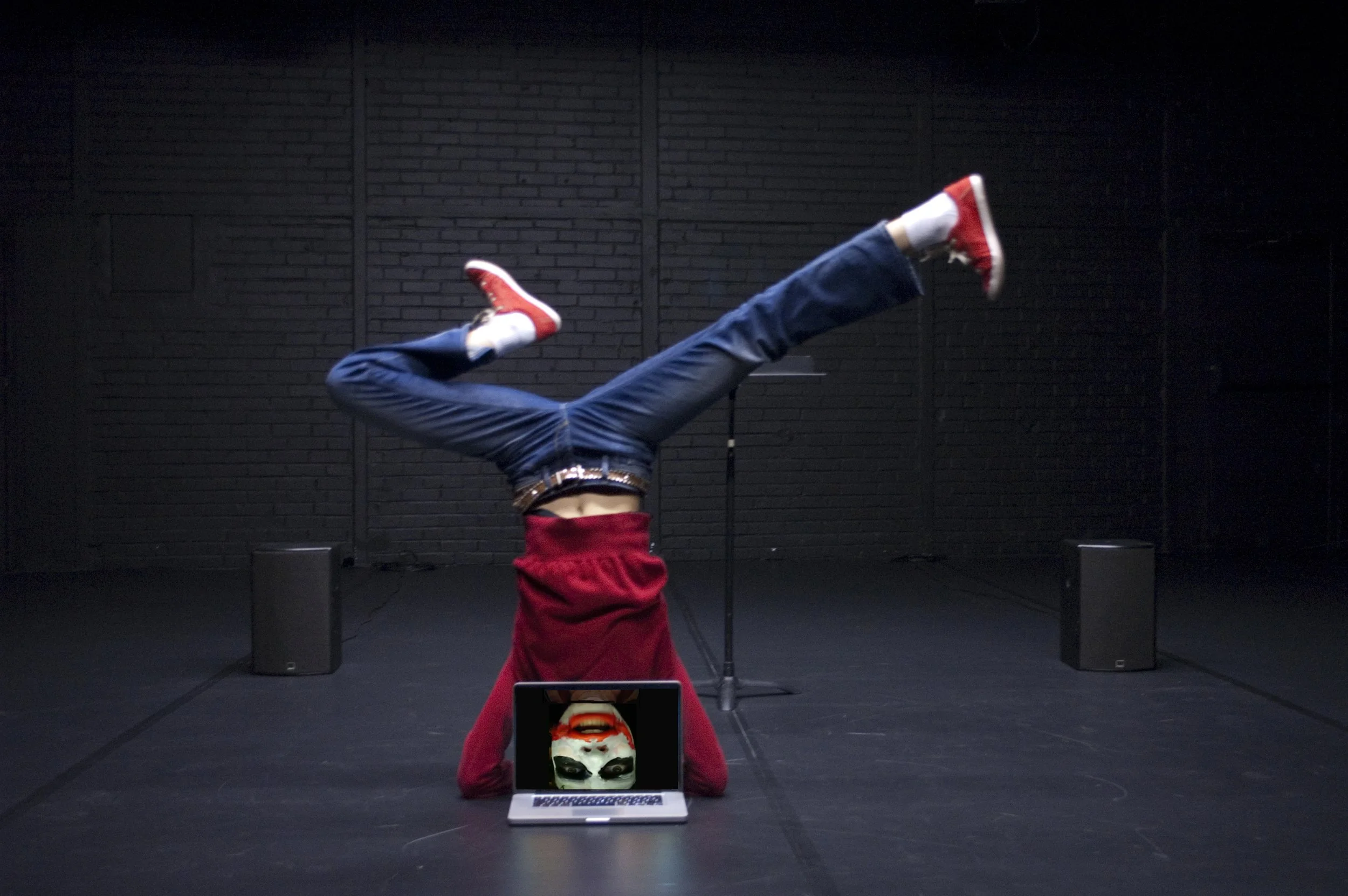
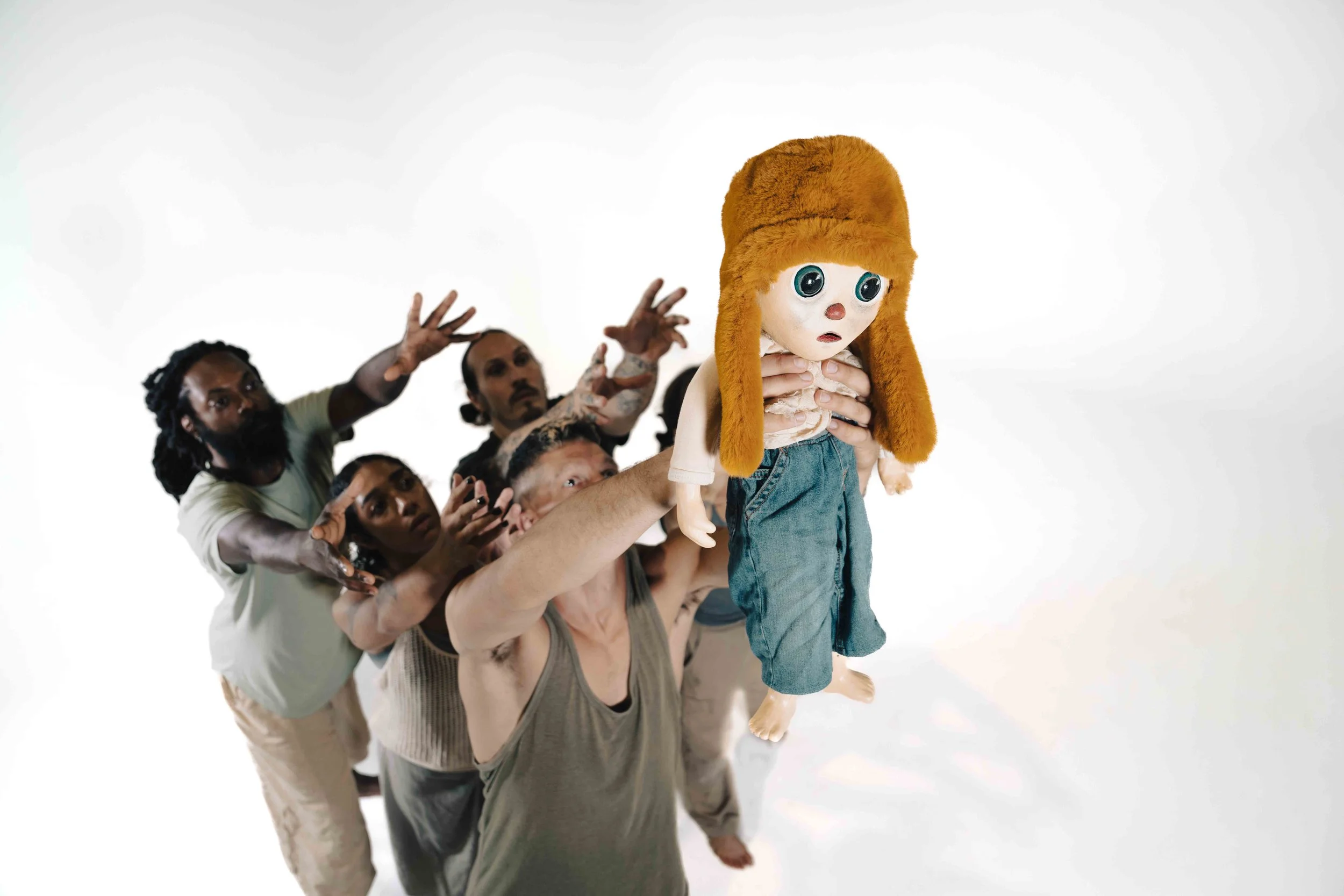
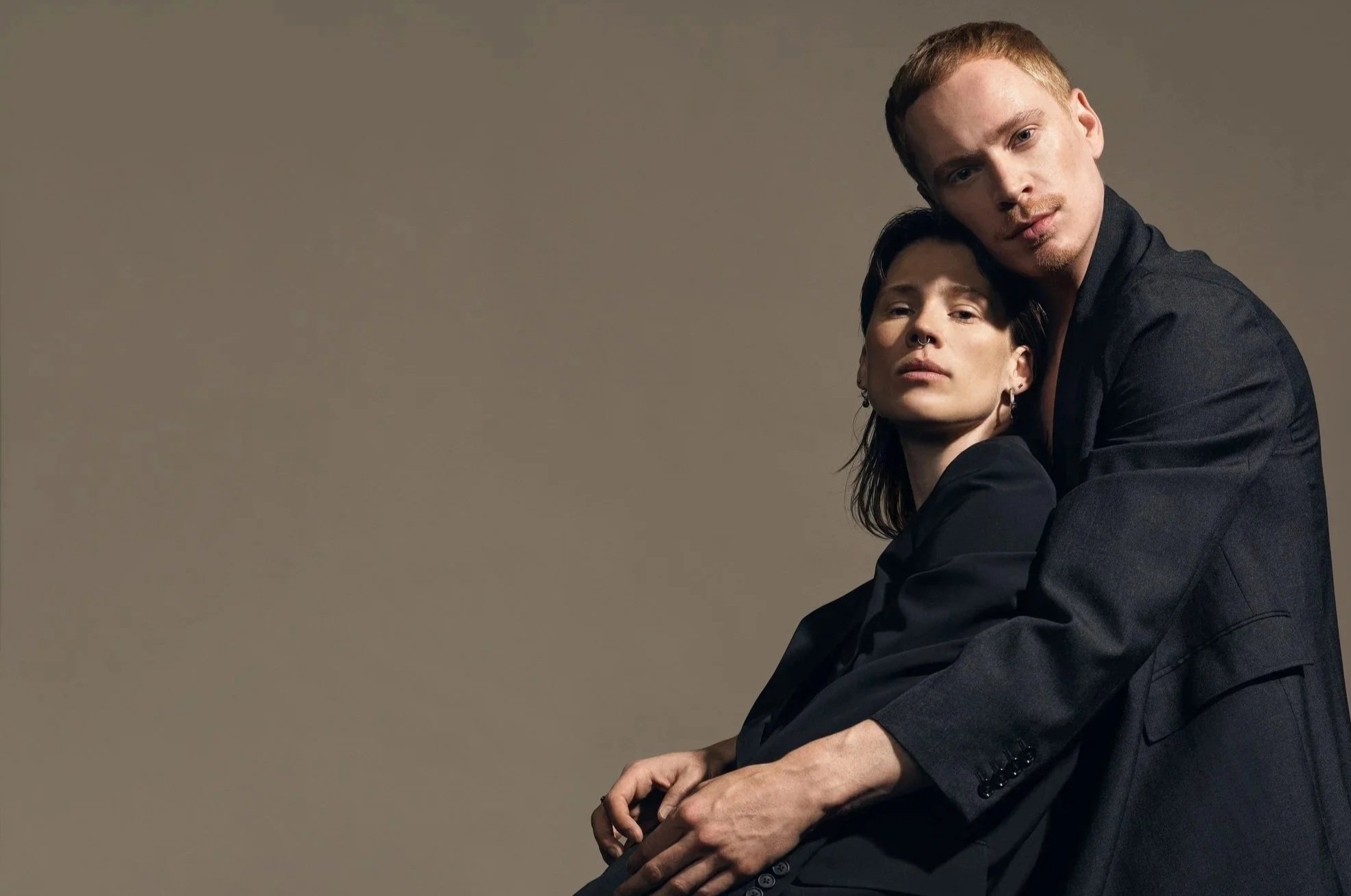
Kofi Obiri-Yeboah in Bright Shadow. Photo by Kirk Chantraine
The Shadbolt Centre for the Arts presents Bright Shadow on November 27 and 28
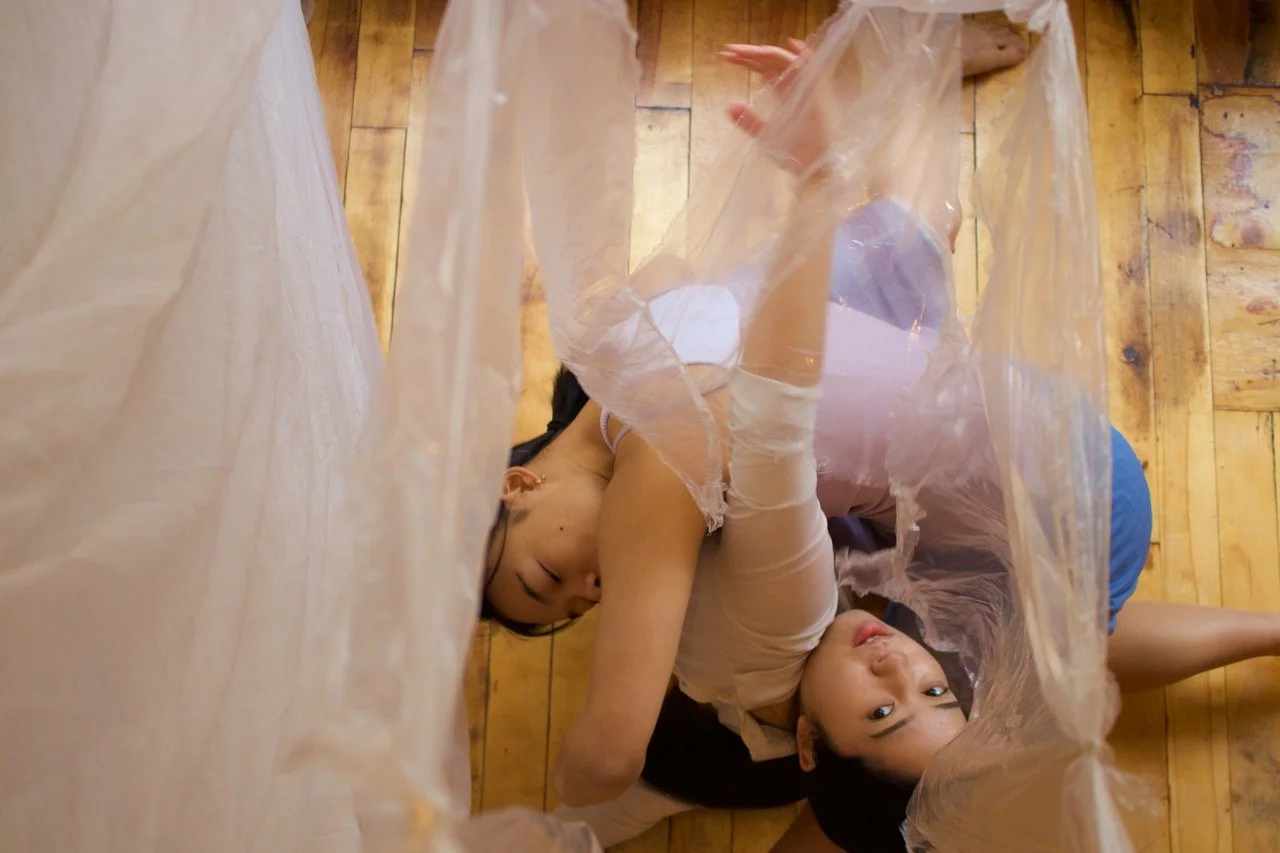
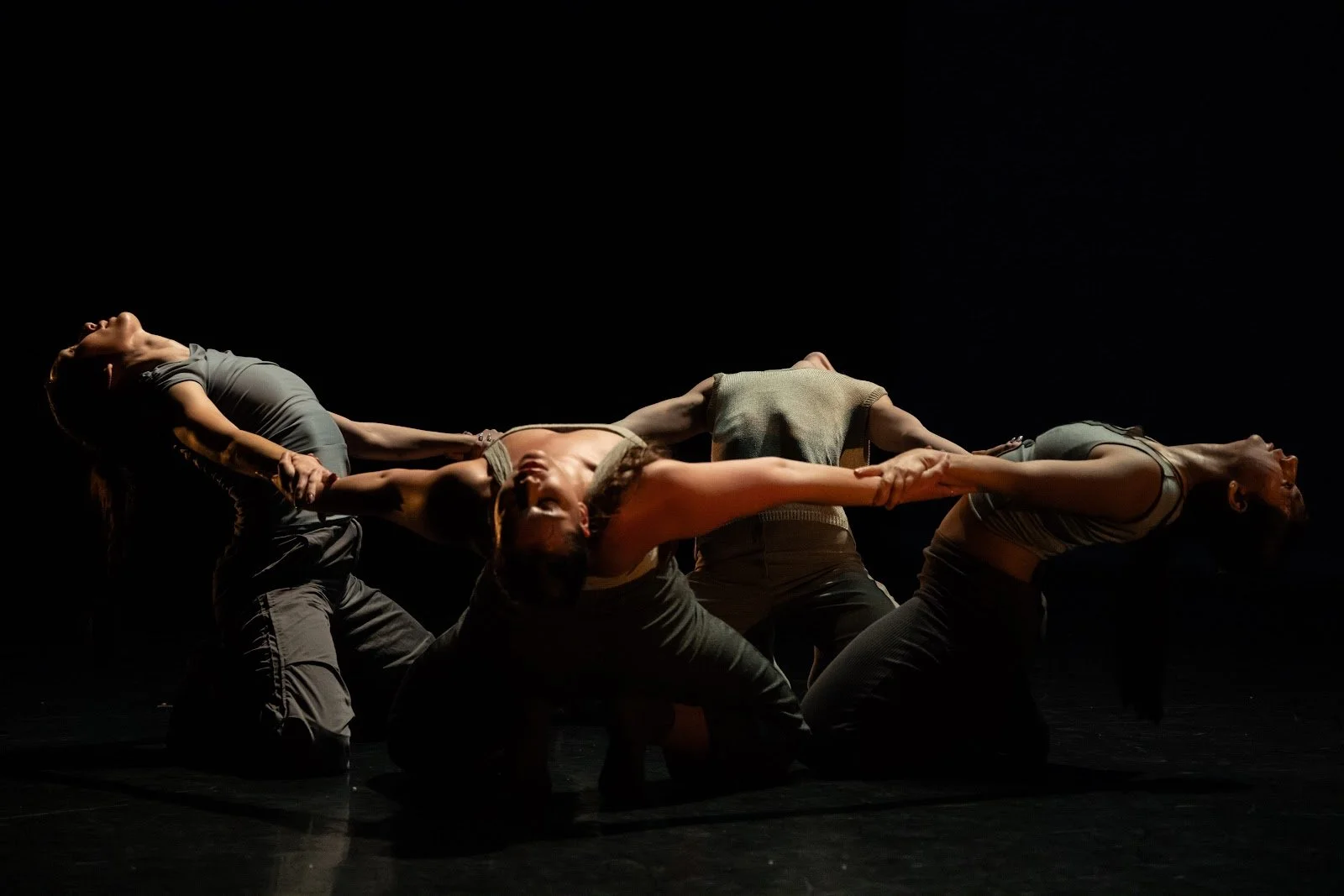
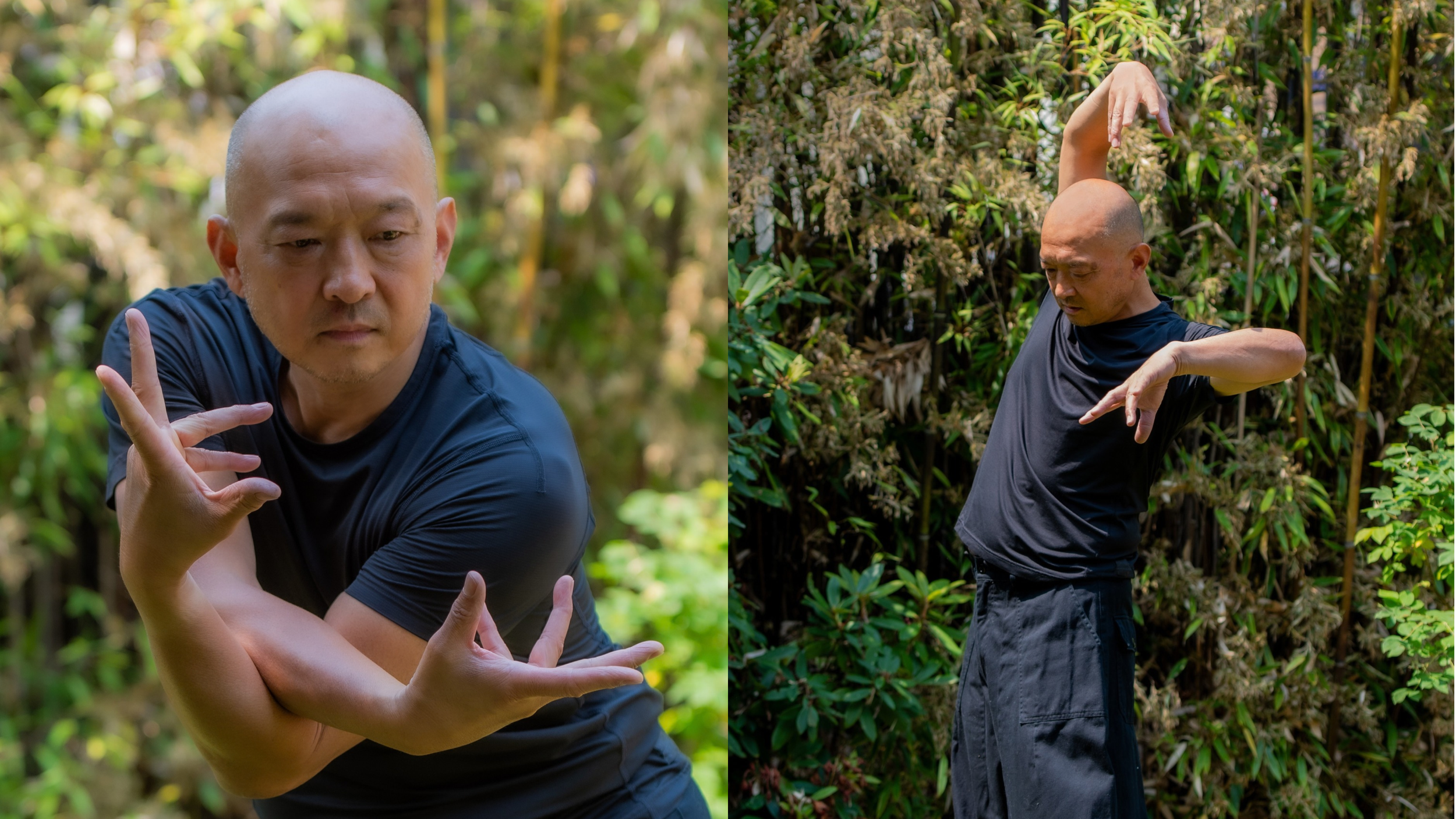
DANCERS LEAN INTO one another, reaching and embracing tenderly in Rachel Helten’s interdisciplinary work Bright Shadow.
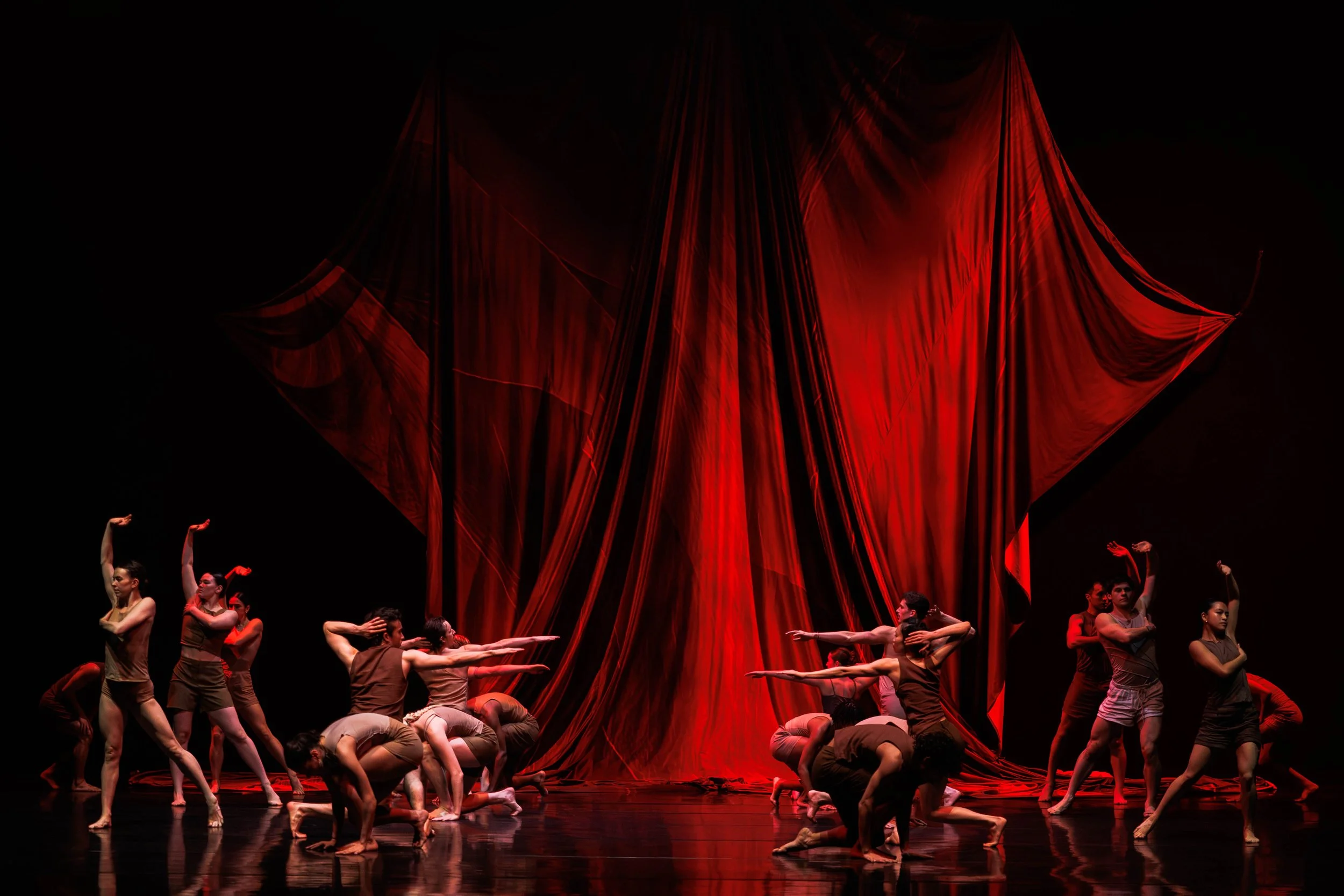
Their fluid movements are marked by moments of frenzy and fragmentation, accompanied by digital images of waves, spirals, and texts projected onto the stage. The voices of the artists fill the room, mingling with nature and rock-inspired soundscapes.
The 50-minute production by soma anima arts draws on the idea of the “golden shadow”—inspired by Carl Jung’s work and referring to the positive, hidden qualities of individuals—as a way of exploring how humanity can build a more hopeful future through compassion and connection.
Created in collaboration with performers Allison Lang, Ysadora Dias, and Carla Alcántara, Bright Shadow is set to premiere at the Shadbolt Centre for the Arts on November 27 and 28. The four-dancer piece features live rap and guitar performances by Kofi Obiri-Yeboah and Ben Helten, as well as an interactive element that allows audience members to contribute to the shifting visual imagery.
Stir caught up with Rachel Helten to learn more about her inspiration for the show and what went into its creation. (Answers have been edited for space.)
How did the Jungian concept of “golden shadow” inform Bright Shadow? What inspired you to create this performance, and why now?
The seed of this work was planted in my consciousness during the pandemic. It stemmed from a place of distress and heartbreak as expressions of division, injustice, and harm seemed to grow increasingly louder in the world around us. I began thinking about different experiences in my life and how, during moments of crisis as a child, I would play what I thought was a game: I would imagine changing the day. My siblings and I would also make believe and create different worlds through play, envisioning more peaceful realities. What fascinated me was that, over time, some of these imagined realities came to be.

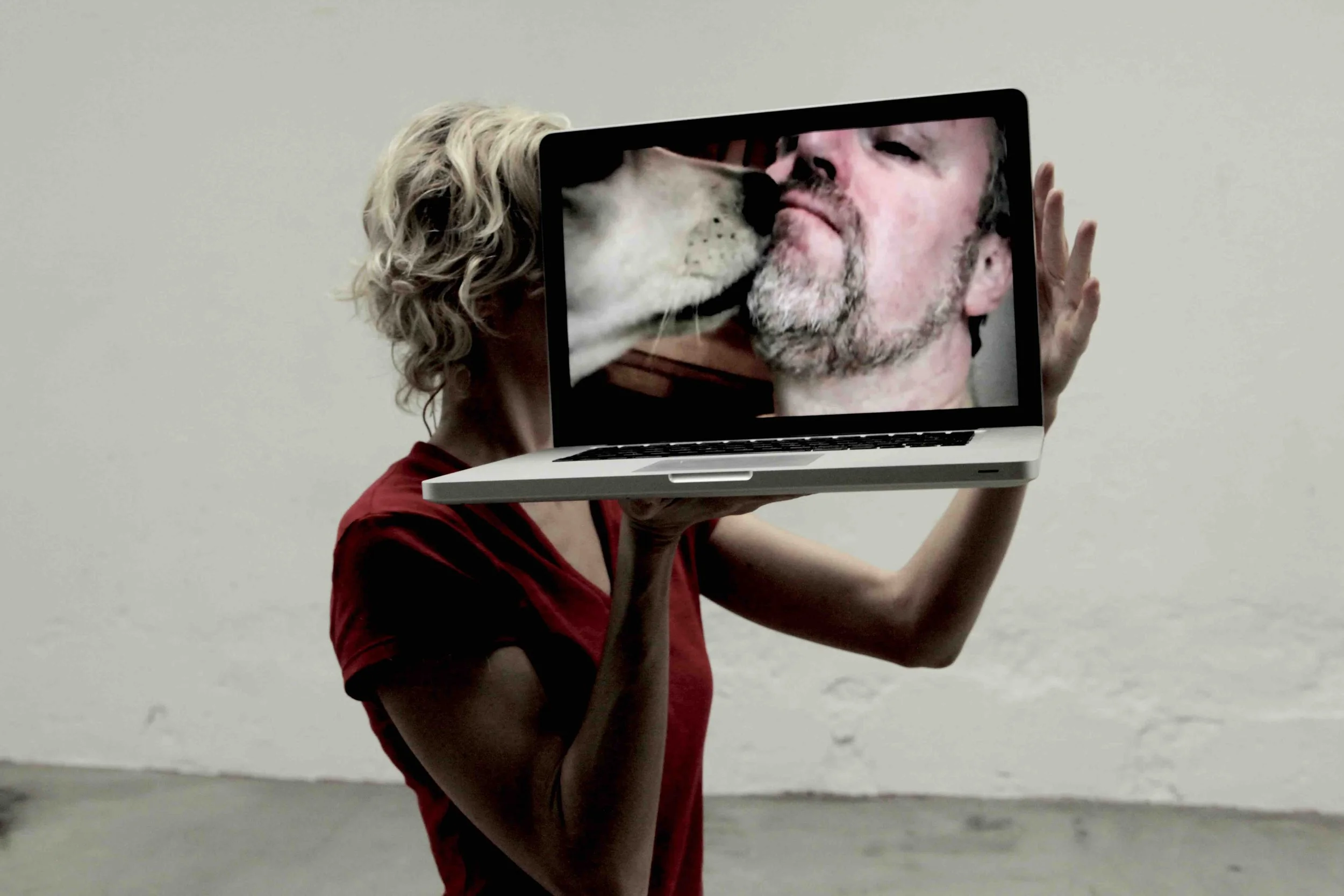
Rachel Helten. Photo by Jani Lakatos
As an avid dreamer, I’ve always been curious about Jungian psychology. While shadows often refer to parts of ourselves we struggle to acknowledge or accept, including qualities we perceive as undesirable, the golden shadow speaks to the positive qualities and potential we may not fully recognize or embrace. Through our experiences or societal conditioning, we sometimes learn to diminish these parts of ourselves, but when nurtured, they can enrich both our individual lives and our collective humanity.
As a child, I experienced both immense love and hardship. I’m grateful to have had community members, friends, and family who encouraged me. At the same time, I experienced being bullied for my sensitivity. As I grew older, I began to recognize that some of the very qualities I had been bullied for, such as my sensitivity, depth, and expressive nature, were also qualities that others appreciated and that I came to cherish in myself.
The first iteration of the work began during a period of artistic transition at Kinesis Dance, when I received mentorship from the company’s founder, Paraskevas Terezakis. Through our conversations, we discovered a shared interest in utopia, dystopia, and other ideas we had been exploring in our respective artistic practices. This became a starting point for bringing our perspectives together around the question: What world are we hoping to build together?
Although it’s been some years since the start of the pandemic, I still experience deep concern about the state of the world. My hope is that by bringing these shadows into greater awareness, we can better understand and address them, making space for healing, reclamation, reconciliation, and reparations.
The show combines contemporary dance with live music, spoken word, immersive digital imagery, and audience participation. How did you bring these different elements together, and how will viewers' choices shape what they see?
Dance is my main medium, but I come from a family of artists working in various disciplines, so I’ve always had an appreciation for how different art forms can communicate the complexities of our human experience. My brother Ben Helten is a wonderful musician and multi-instrumentalist; my partner Ezequiel Peralta is a digital artist and programmer; and one of my best friends, Kofi Obiri-Yeboah, is a brilliant composer, musician, and poet. I really resonate with their perspectives on the world, and I wanted to create something together with them.
I wanted to include the audience in a way that isn’t too confronting, while also incorporating technology we already have access to: our phones.
Ezequiel came up with the idea of having the audience play a game. At the beginning of the work, audience members will scan a QR code with their phones and play a game that will contribute to a collective poem and mandala within the work (tablets will be available for those without a phone). We’ll ask them specific questions, and the words and images they choose will help create the digital projections they see throughout the performance. Their choices become part of the evolving visual world, making each performance a shared experience.
What has the creative process been like for you, working with the other dancers?
The work has gone through a couple of iterations. We initially created a 15-minute version with Justin Calvadores, Ana Sosa, and Bennett Tracz, which was presented as a glimpse into our research in April 2024. We then expanded the work into a 30-minute version with Allison Lang, Ileanna Sophia Cheladyn, and Ana Sosa in November 2024 for the Dance in Vancouver OFF events at The Dance Centre.
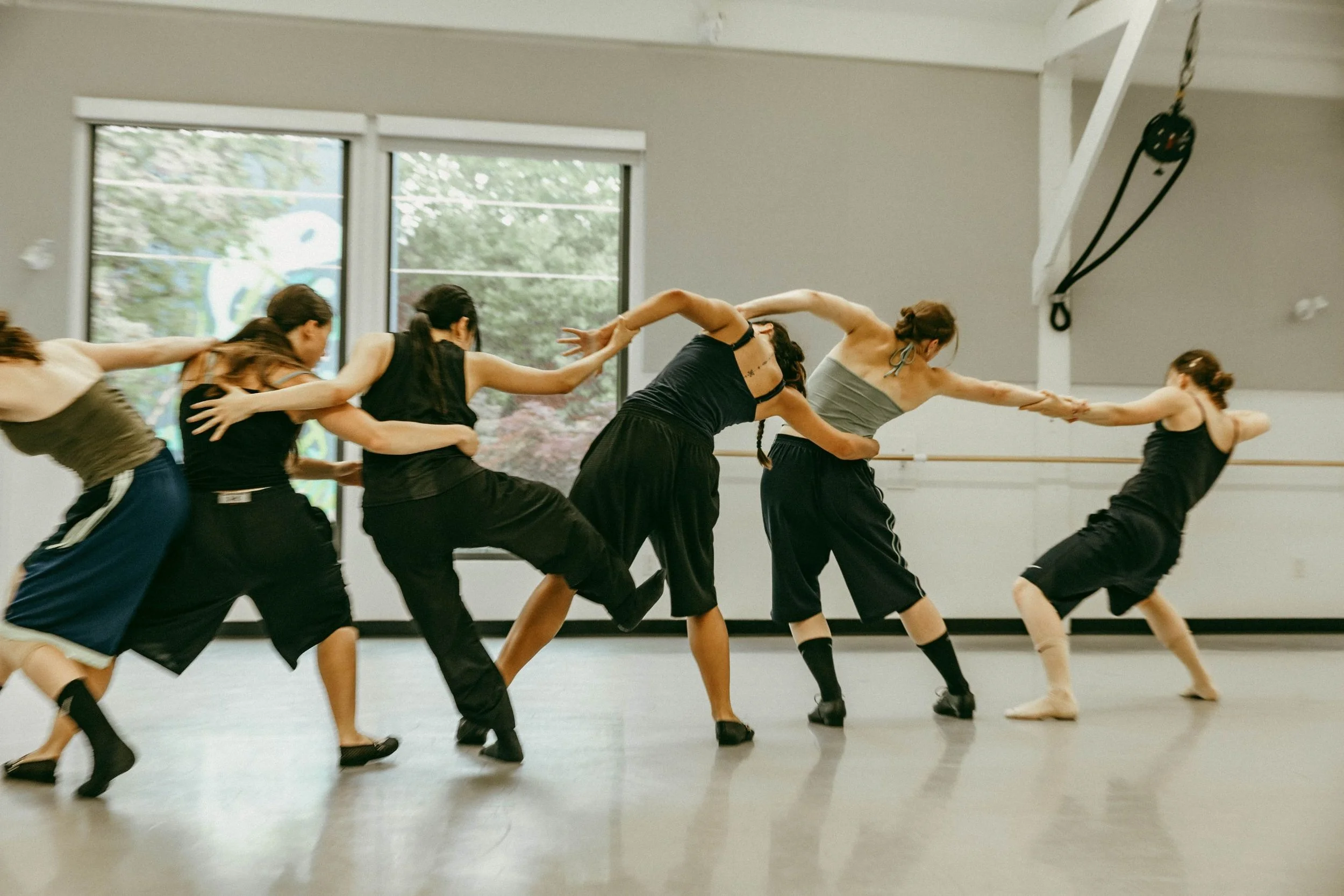
For the current iteration at the Shadbolt Centre, I’m working with Allison Lang, Ysadora Dias, and Carla Alcántara. I really wanted to create a process where each person’s voice was incorporated into the work. We spent time meditating on our personal understanding of utopia, followed by some free writing around those ideas. We also recorded their voices, which helped inspire and generate some of the choreography in their solos.
As a choreographer, it’s been very gratifying to see these visions come to life. It’s also a constant learning experience, particularly when some creative processes are given less time while others have more room to breathe.
Bright Shadow explores the hidden potentials and possibilities of humanity, asking what kind of world we want to build together. How does the piece begin to answer that question? Or does it leave the question entirely open to the audience?
There is a mixture of things. You’ll hear the voices of different artists and see the ways they embody their ideas of utopia and dystopia. You’ll also hear the sonic landscape that Kofi and Ben have created as a way of exploring these questions for themselves and for the world. The digital projections also contribute to this exploration.
I believe this question is ever-evolving and ongoing, and can be quite personal. Sometimes we can become so caught up in worry, the hustle, or the busyness of life that our focus becomes divided and our consciousness fractured. The work grants audience members a moment to ponder and dream.
Ultimately, I think the piece leaves space for everyone to bring their own perspectives and experiences into the conversation. It’s about expanding our imagination and recognizing that the future isn’t fixed. It’s something we can collectively shape through our choices, relationships, and the worlds we choose to create together.
What are you most looking forward to in the show’s premiere, and what do you hope viewers will take away from it?
I believe that any time people share truth and love, it is an act of courage. I also feel that with live performance, we might not truly know what a show is until it is shared. I’m looking forward to the magic of live performance and what happens when there is an exchange of energy, truth, and love.
I would love for people to find a sense of hope and whatever personal meaning they attribute to the work that might fuel their next steps on their journey. I hope it emboldens them to widen their perspective and imagination.
More than anything, I hope people leave feeling inspired to imagine different possibilities for themselves, one another, and the world around them. 

Related Articles