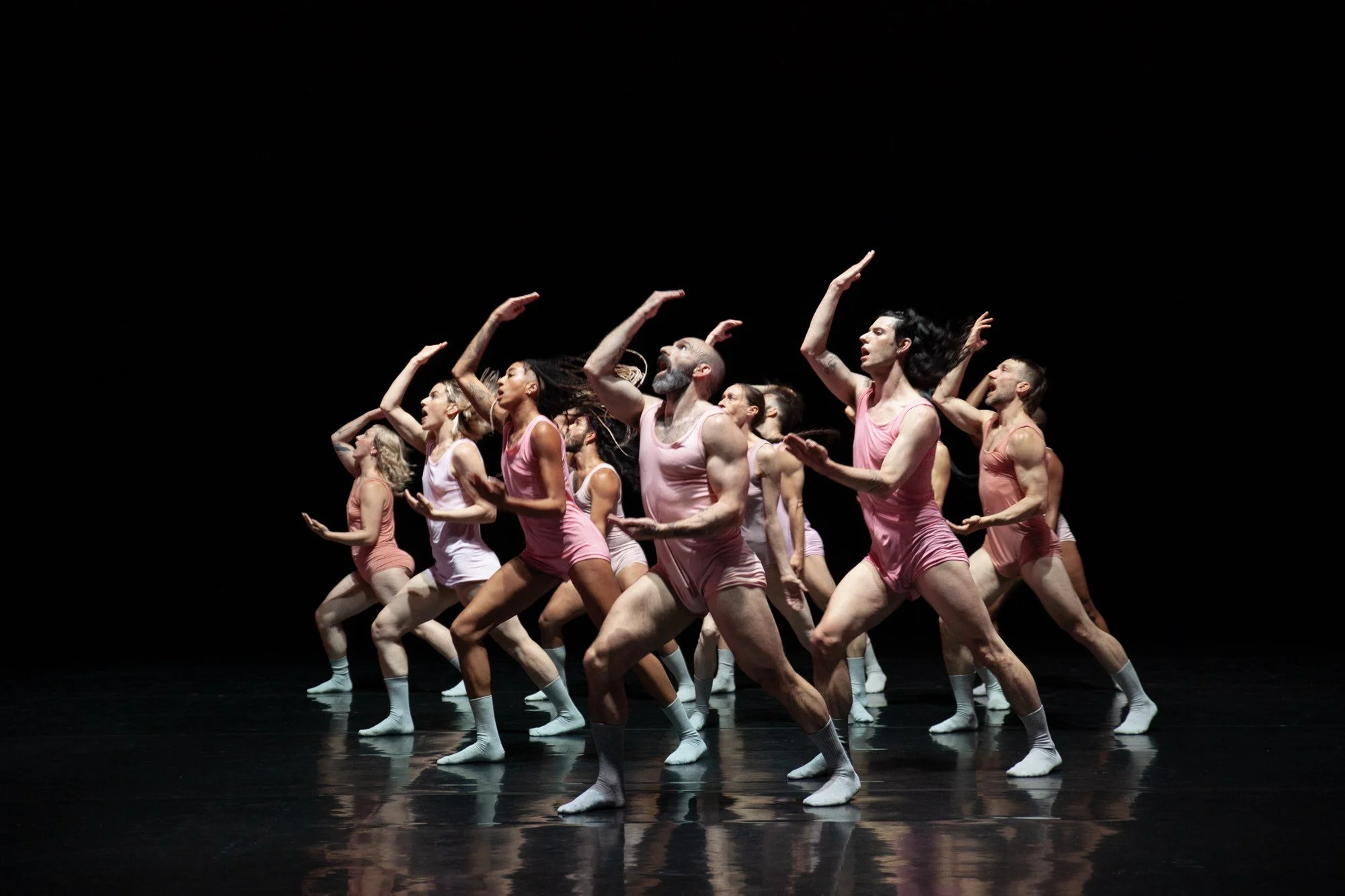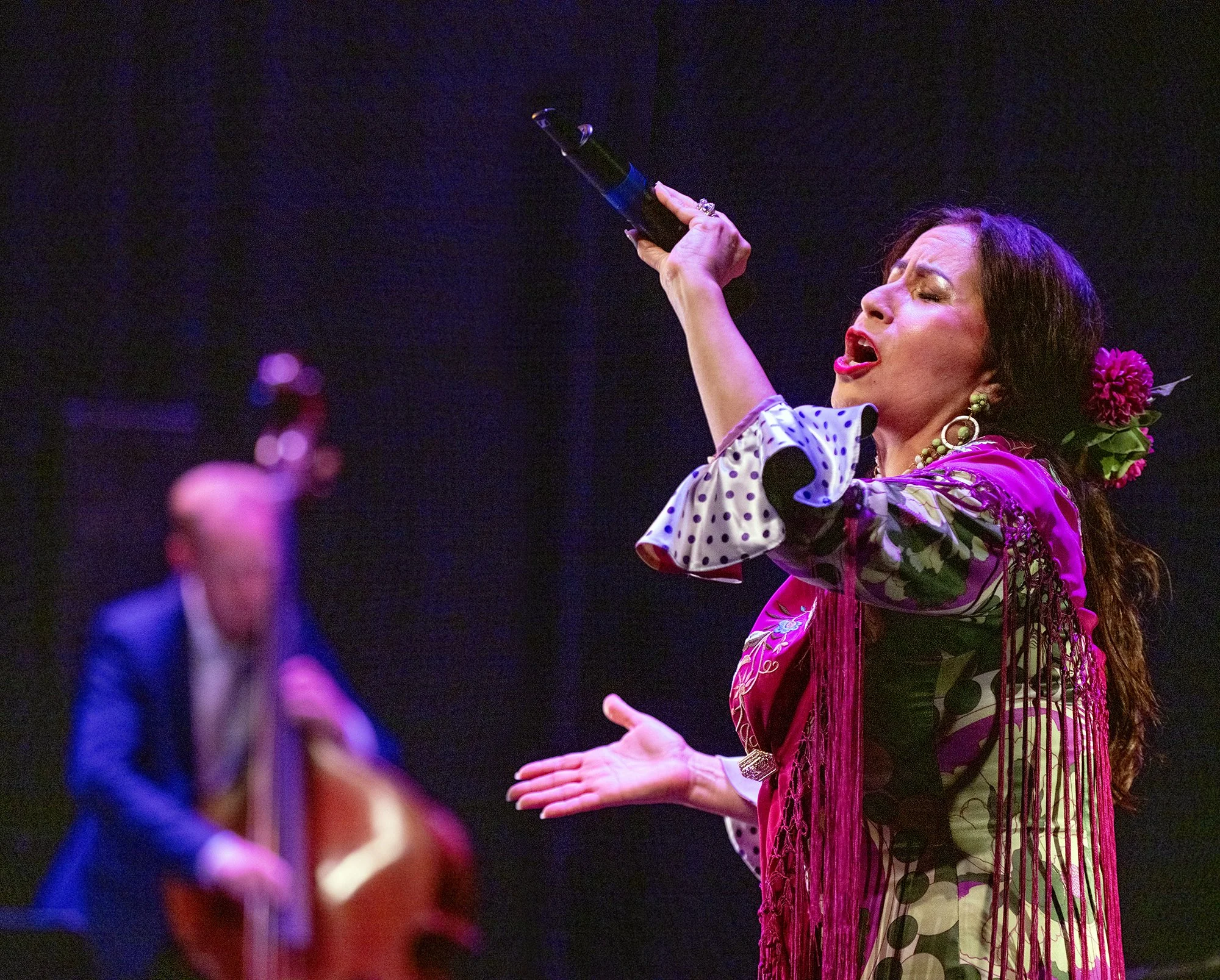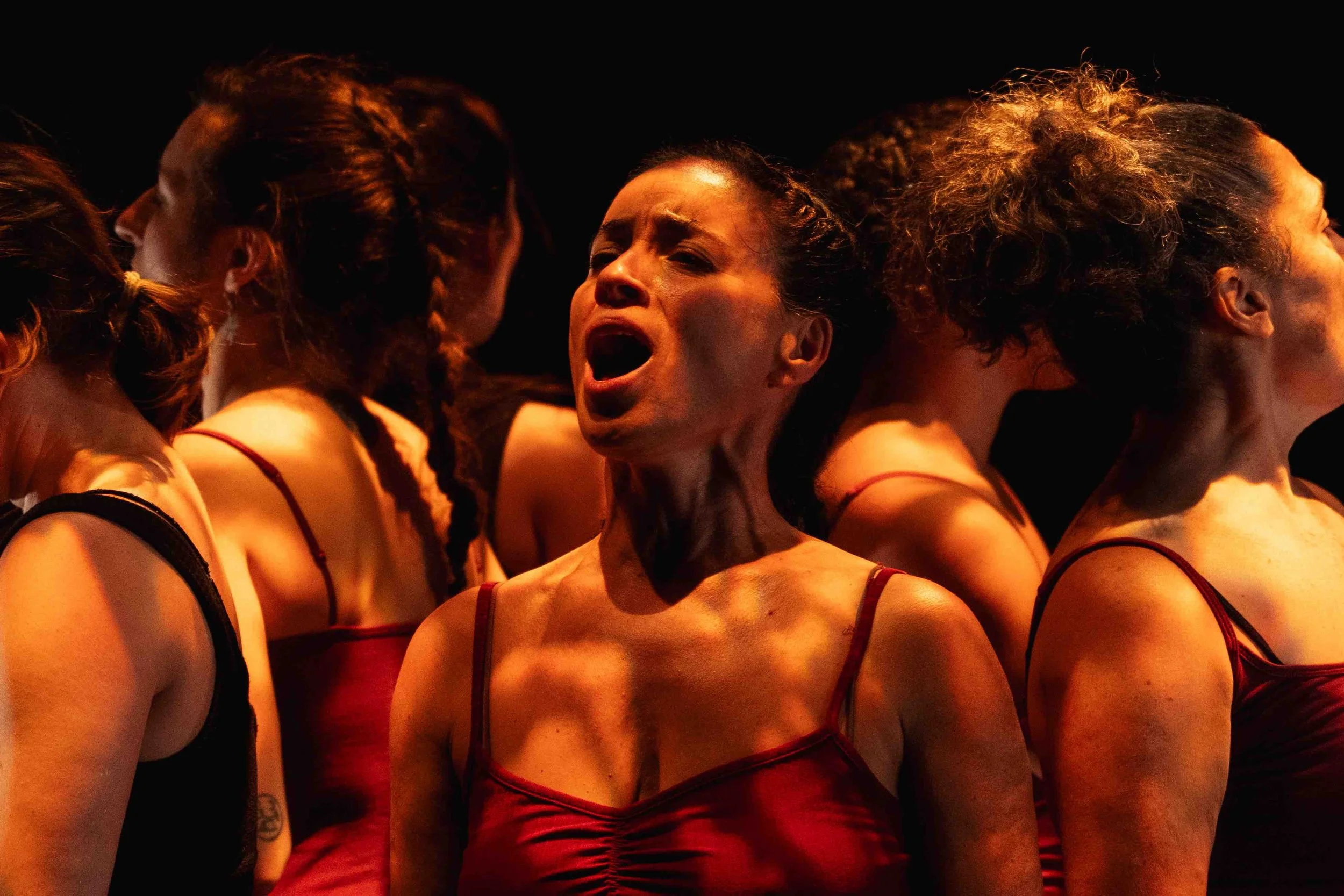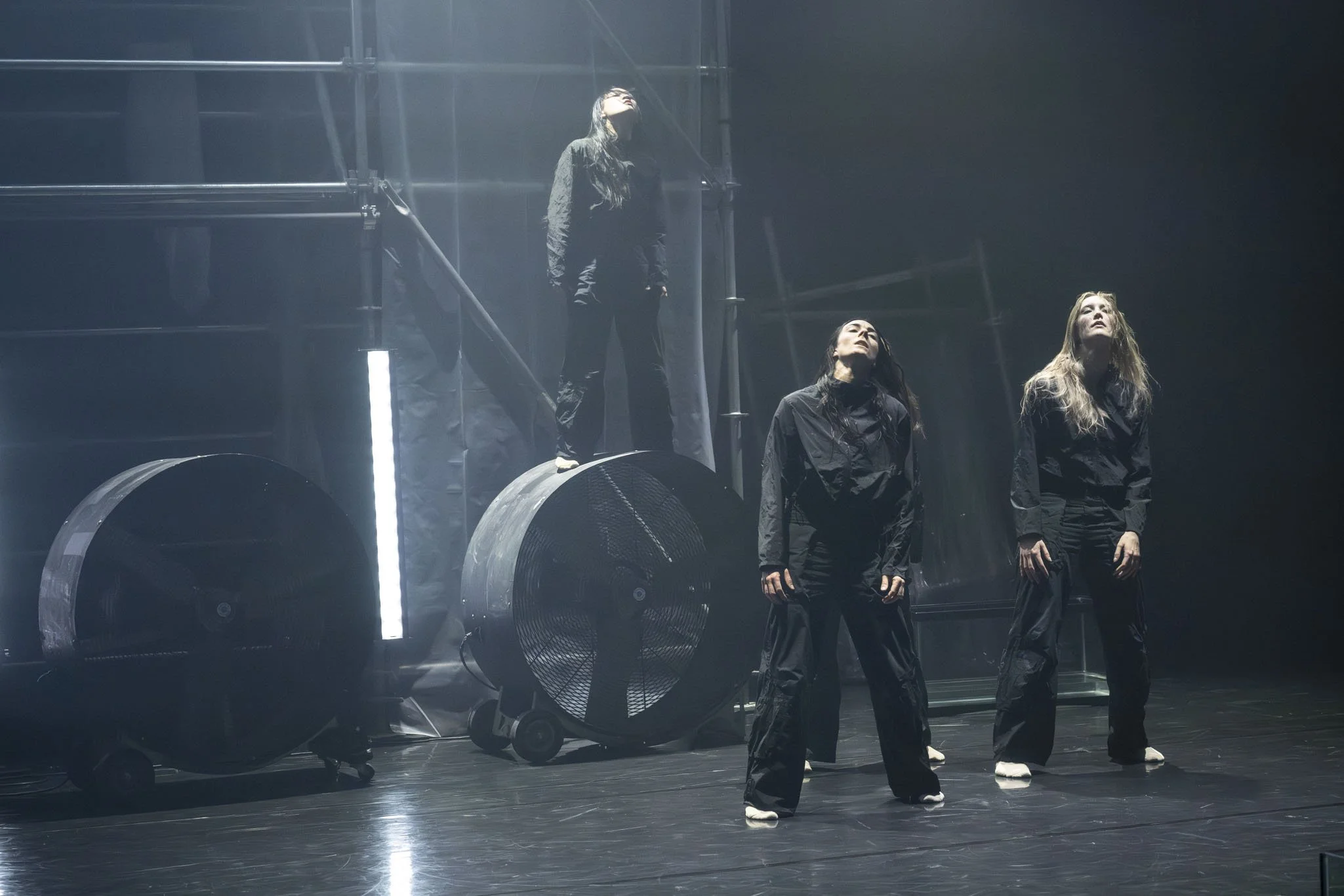
Stir Q&A: Melding dance and a laptop, Forecasting mines new meaning for our digital age
At The Dance Centre, Barbara Matijević and Giuseppe Chico draw on the vast world of everyday YouTube content to explore how technology changes our bodies, the way we tell stories, and what it means to be present
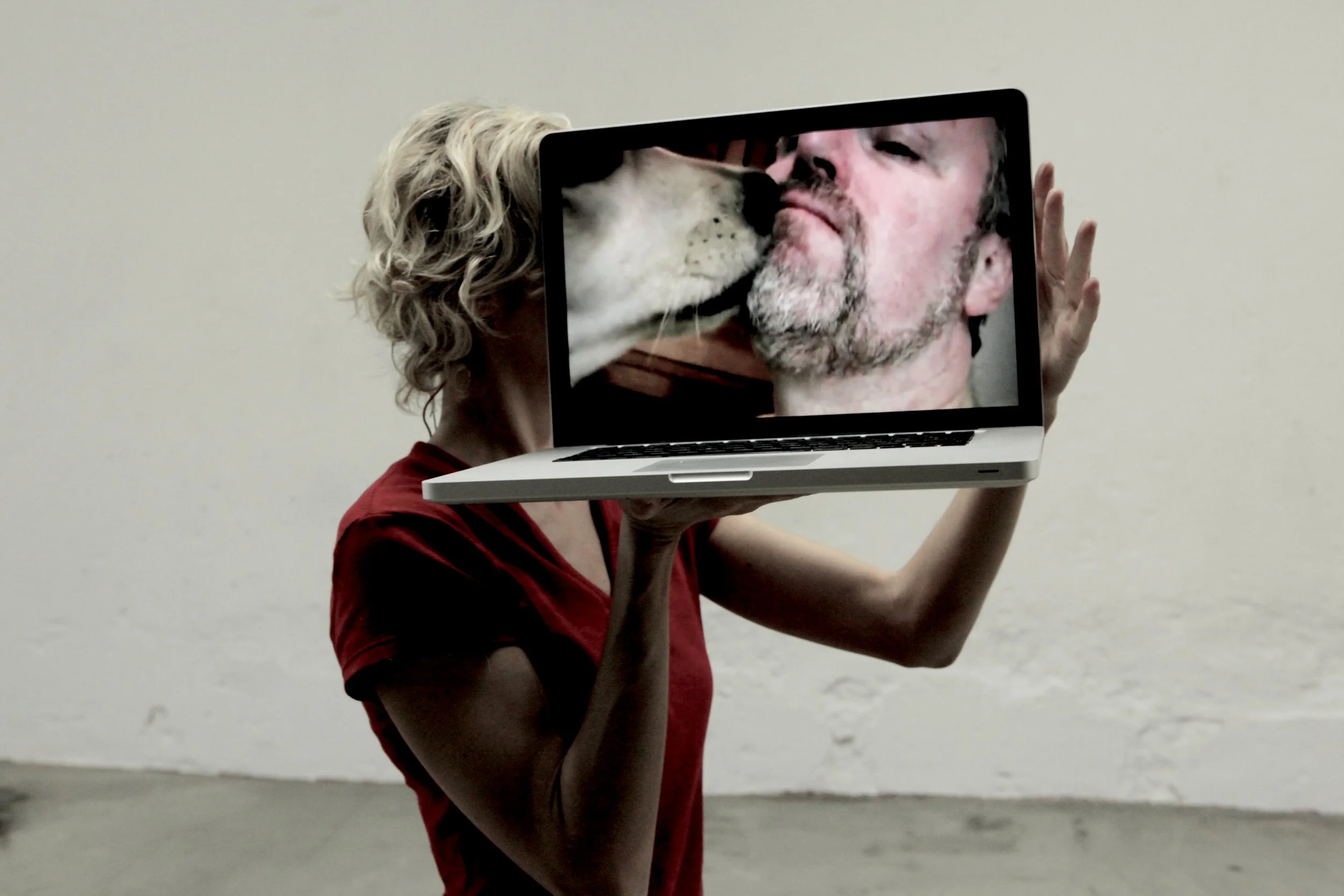
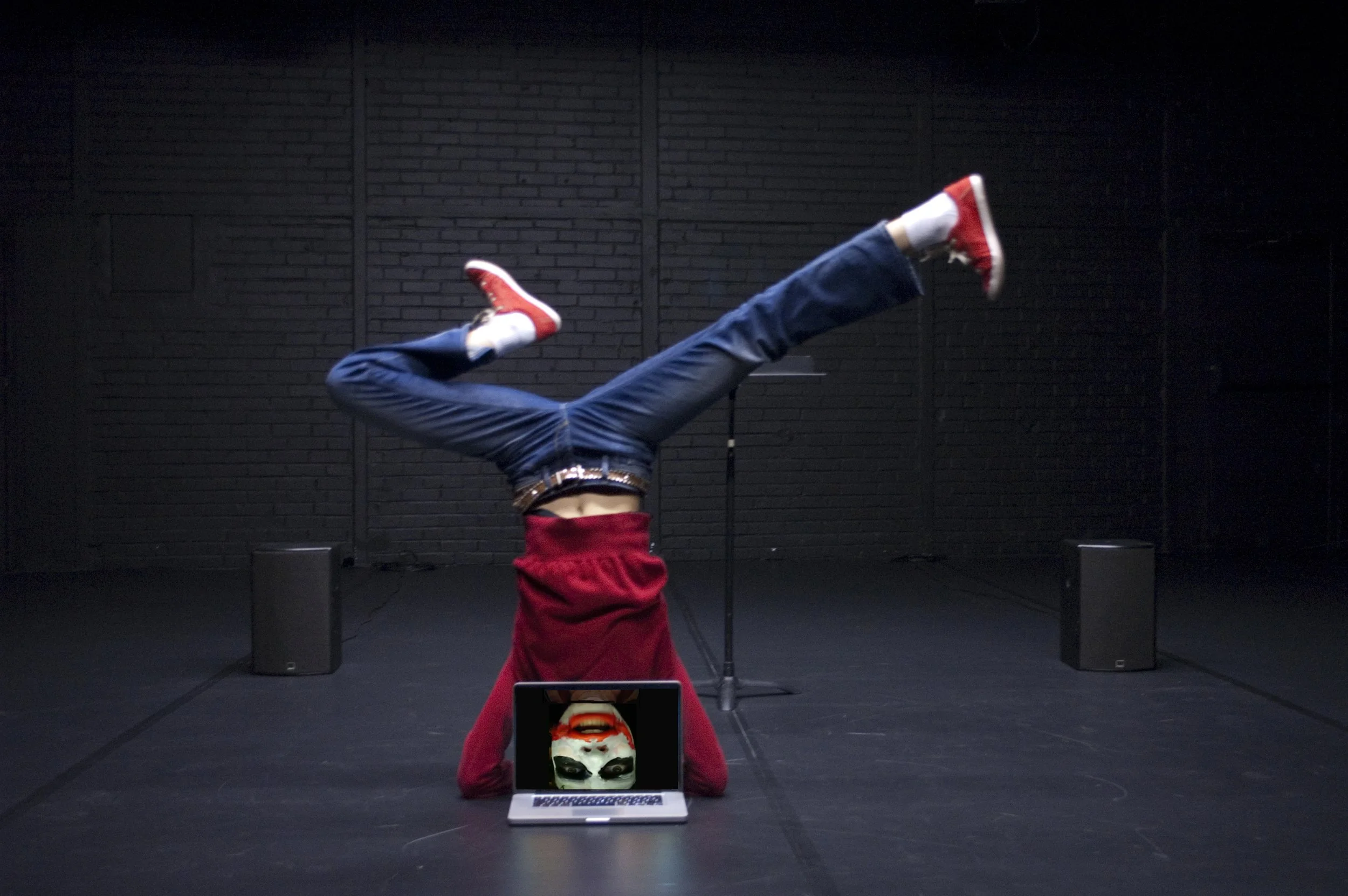
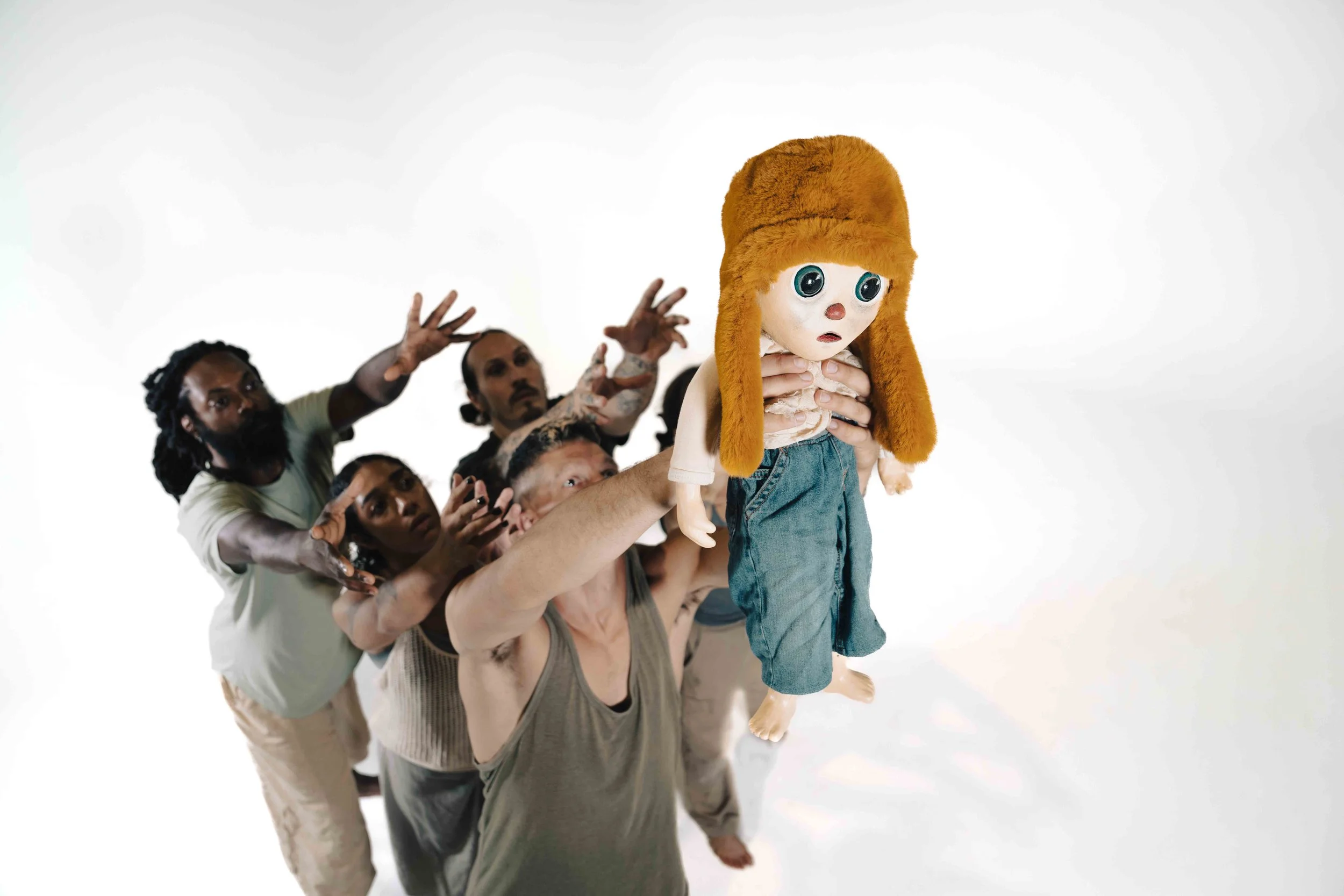
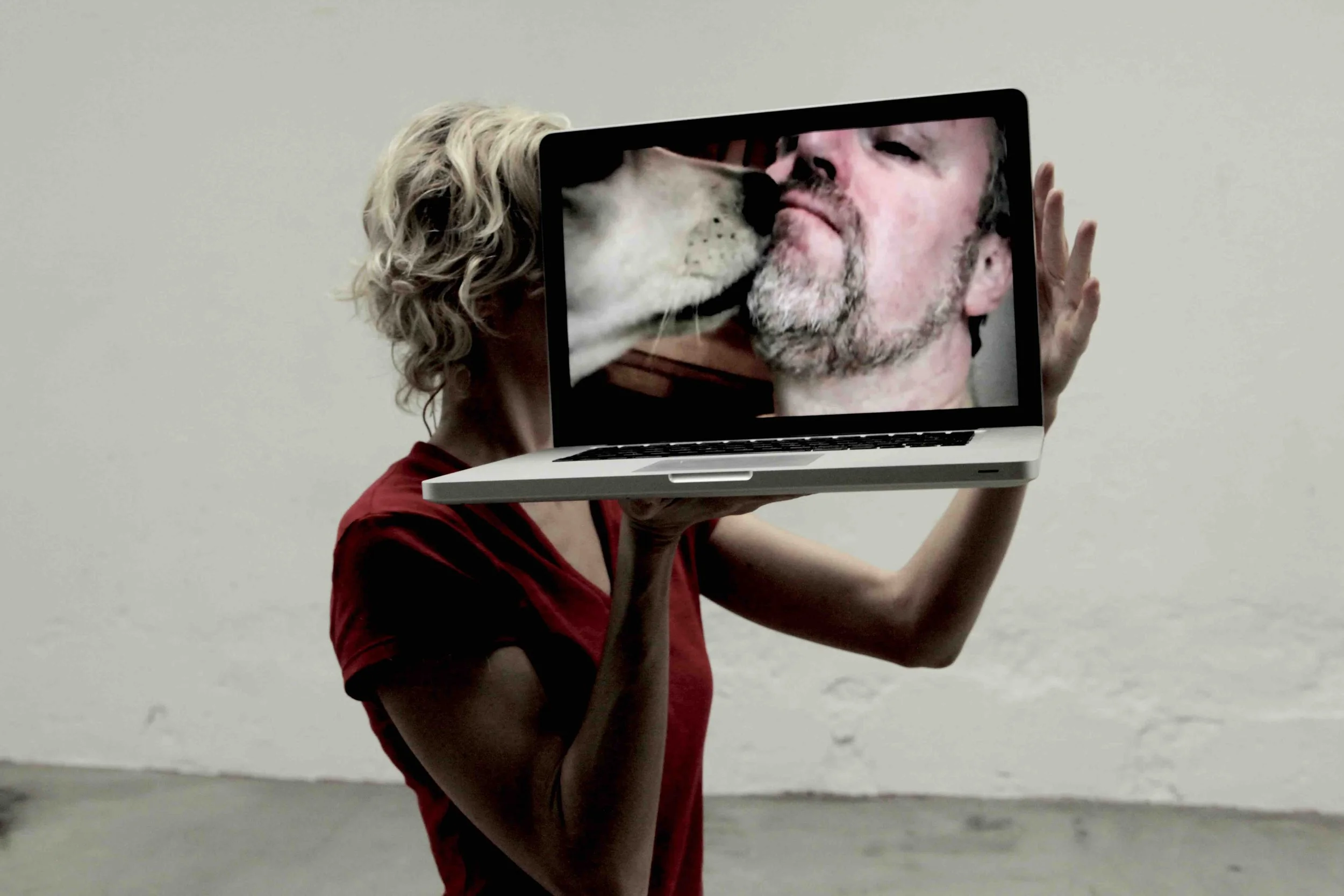
Forecasting. Photo by Yelena Remetin
The Dance Centre presents Forecasting on November 13 and 14
IT’S A DANCE SHOW that gives new meaning to “wired world”: Forecasting features performer Barbara Matijević partnering on a bare stage with a laptop, drawing from the endless content on YouTube—fitness demos, food porn, pet antics—to create a stream of fascinating imagery and storytelling.
But the piece, created with Giuseppe Chico, actually subverts and questions our lives lived out on social media, and becomes a poetic meditation on body and screen—the real and corporeal fusing with the performative and virtual.
Basing their company Premier Stratagème in Paris, the duo has toured Forecasting to acclaim around Europe. And now the work, having originally premiered in Brussels in 2011, makes its Canadian premiere at The Dance Centre.
Stir caught up with Matijević to ask about dancing with laptops and how Forecasting’s meaning has changed since its debut.
Did you ever imagine yourself performing with a laptop onstage—manipulating a computational machine versus the body—and what do you like about that contrast?
Not at first. We both come from theatre and dance, where the body is the centre of everything. But in the late 2000s we were spending hours online, like everyone else, and we felt theatre had to deal with how technology was changing our bodies, the way we tell stories, and what it means to be present.
When Giuseppe and I founded the company in 2007, YouTube was only two years old, and people were starting to talk constantly about what they had seen on the web. We wanted to explore how this new media landscape could produce new forms of representation in theatre. I find it useful to think of theatre as a physical hypermedium: real space, real bodies, a real relationship with the audience in time. The internet is also a hypermedium that can hold all other media, but only in a virtual way. Forecasting puts the two face to face. What I like isn’t so much the contrast as the friction between them. The performer in Forecasting acts in the empty spaces between them.
You draw on bizarre amateur videos, how-to videos, stunts with pets, and rare skills. What did you initially find so fascinating about YouTube and what do you “forecast” as its legacy for our society?
What fascinated us was how fluidly people on YouTube move from living their everyday life to representing it. By filming themselves and posting the result, they turn the screen into a tool of self-narration. They tell their own stories in front of the largest audience possible, and as theatre makers we wanted to see how those stories are built. So Forecasting isn’t really about the images on the screen. It’s about the narratives the screen makes possible. All the videos are found objects, made by amateurs. They also made us wonder how, and what, our time is leaving behind as its recorded trace, as a record of its history and culture, from the most banal moments to quite obsessive, fetishistic behaviour. If we forecast anything, it was that this enormous collective self-portrait would be one of the defining archives of our time.
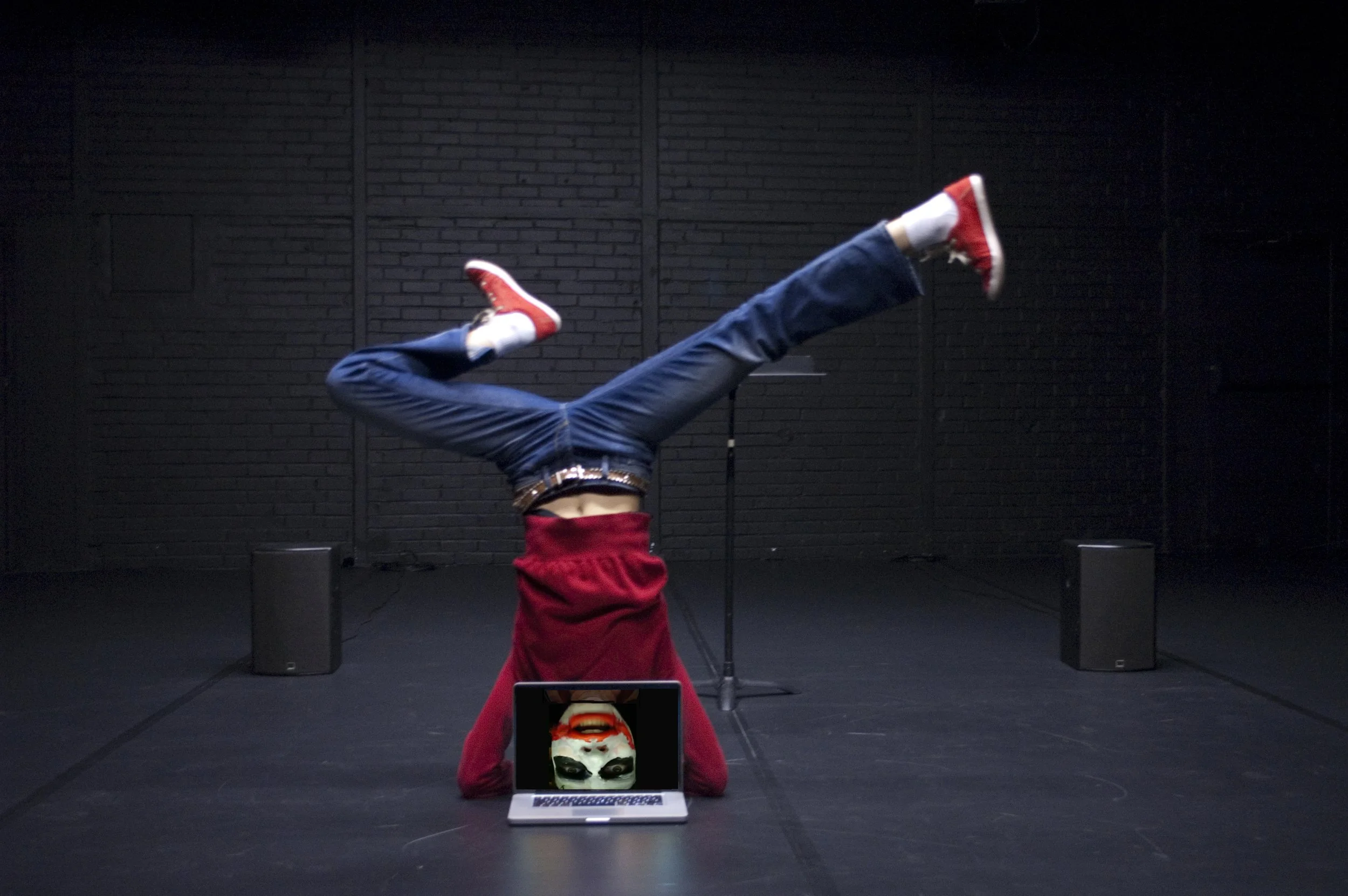
Forecasting. Photo courtesy of the artist
The laptop in this show has been described as “mask and mirror”—how so?
A screen is a kind of hole in reality, a rectangle that separates the physical space around it from a virtual space inside it. It usually has a different scale, and we’re expected to forget everything outside the frame. In Forecasting, we disrupt that. The images on the laptop are at the same scale as my body, and what happens inside the frame keeps interacting with what happens outside it. That’s how the laptop becomes a mask: for a moment I wear a stranger’s head, hands, or stomach. It’s also a mirror, because the audience recognizes its own way of watching, sitting comfortably while its attention is pulled into the window. What comes out is a mosaic portrait of an ordinary internet surfer, and my body temporarily lends that surfer form and shape.
To “meld” with the figures in the videos, you’ve had to choreograph intricately, down to fractions of a second. How difficult is that, and is there room for play?
The precision is real. The illusion only works because the two scales match exactly, so every movement has to line up with the image. But the illusion is not the point. Two systems of perception are onstage, and they constantly talk to each other, sometimes completing each other and sometimes subverting each other. What interests me is the gap between the media, the discrepancy rather than perfect harmony. The bodies onscreen don’t really act on me, so I can adapt, miss, make a mistake, or say something that contradicts the image.
More than 15 years after its creation, how has the meaning and significance of Forecasting changed as you perform it around the world?
When we premiered it in Brussels in March 2011, YouTube still felt like a big amateur playground. Today, the piece has taken on an almost nostalgic quality. Forecasting now seems to forecast an internet that might have been: more open and democratic, a place for community, horizontal learning, and diversity. What it has become instead is concentrated in a handful of platforms and organized around engagement and profit, a marketplace for our attention. Looking back, the amateur videos in the show already bring forward the very human qualities that make us vulnerable to exploitation: the desire to belong, to participate and share, to express ourselves. Those same desires are now exploited by the algorithms that drive our feeds and our insecurities. So the shift from comedy to the uncanny lands differently now, and audiences laugh, then recognize themselves a little too well. For me, the deeper subject has become attention: where it goes, who holds it, and what happens to us when we hand it over to a screen. That question is at the centre of my current work, and Forecasting turns out to have been asking it all along. 

Related Articles