In Anne Plamondon’s Myokine, seven dancers serve as messengers of hope
Montreal choreographer’s post-pandemic piece, inspired by a type of molecule secreted by moving bodies, comes to the Firehall Arts Centre
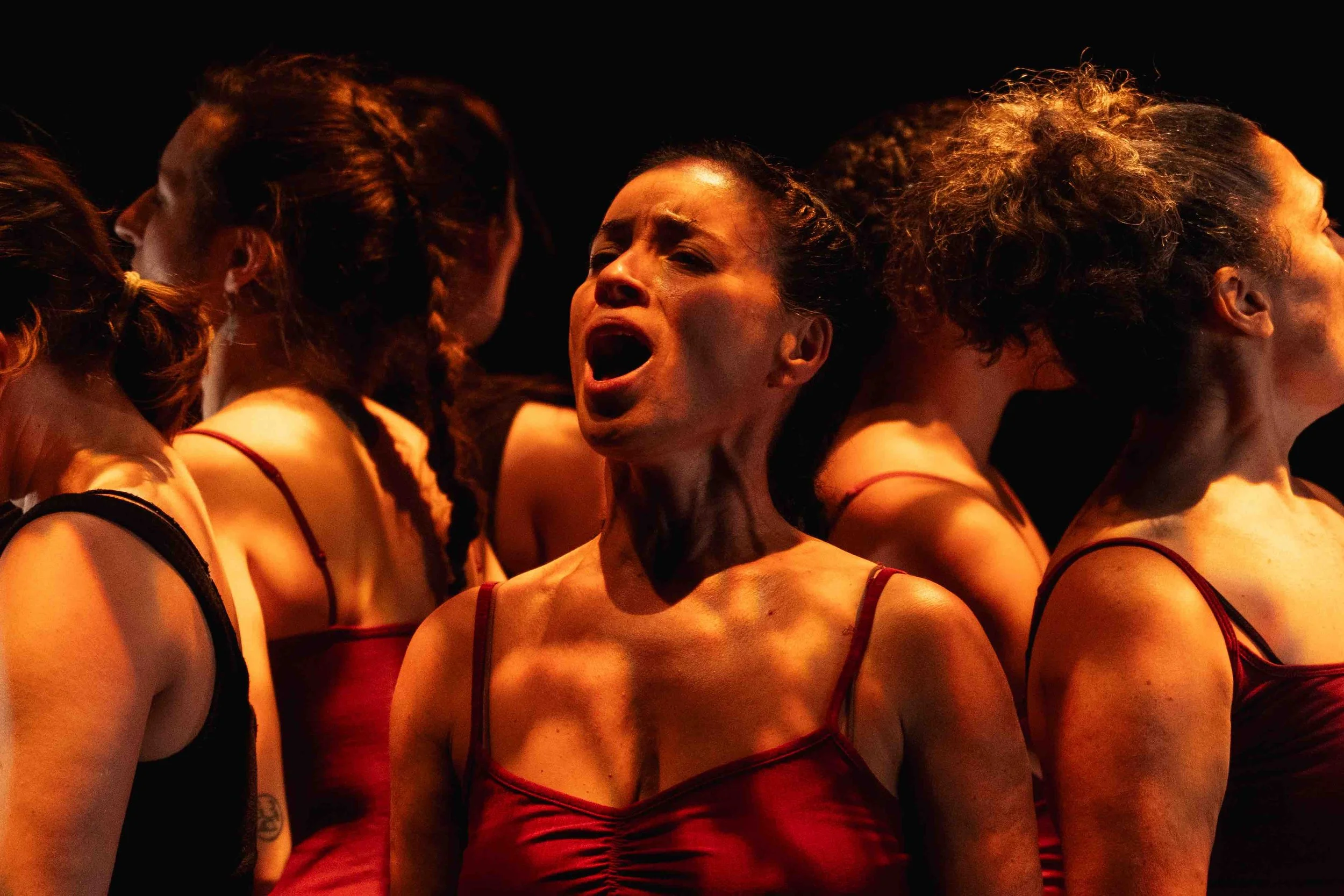
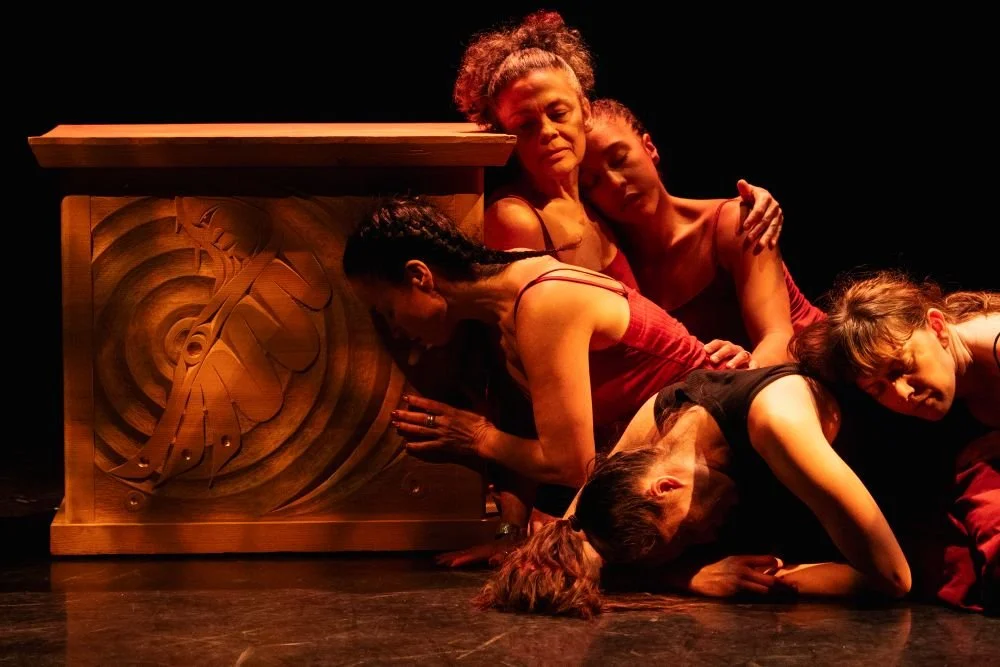
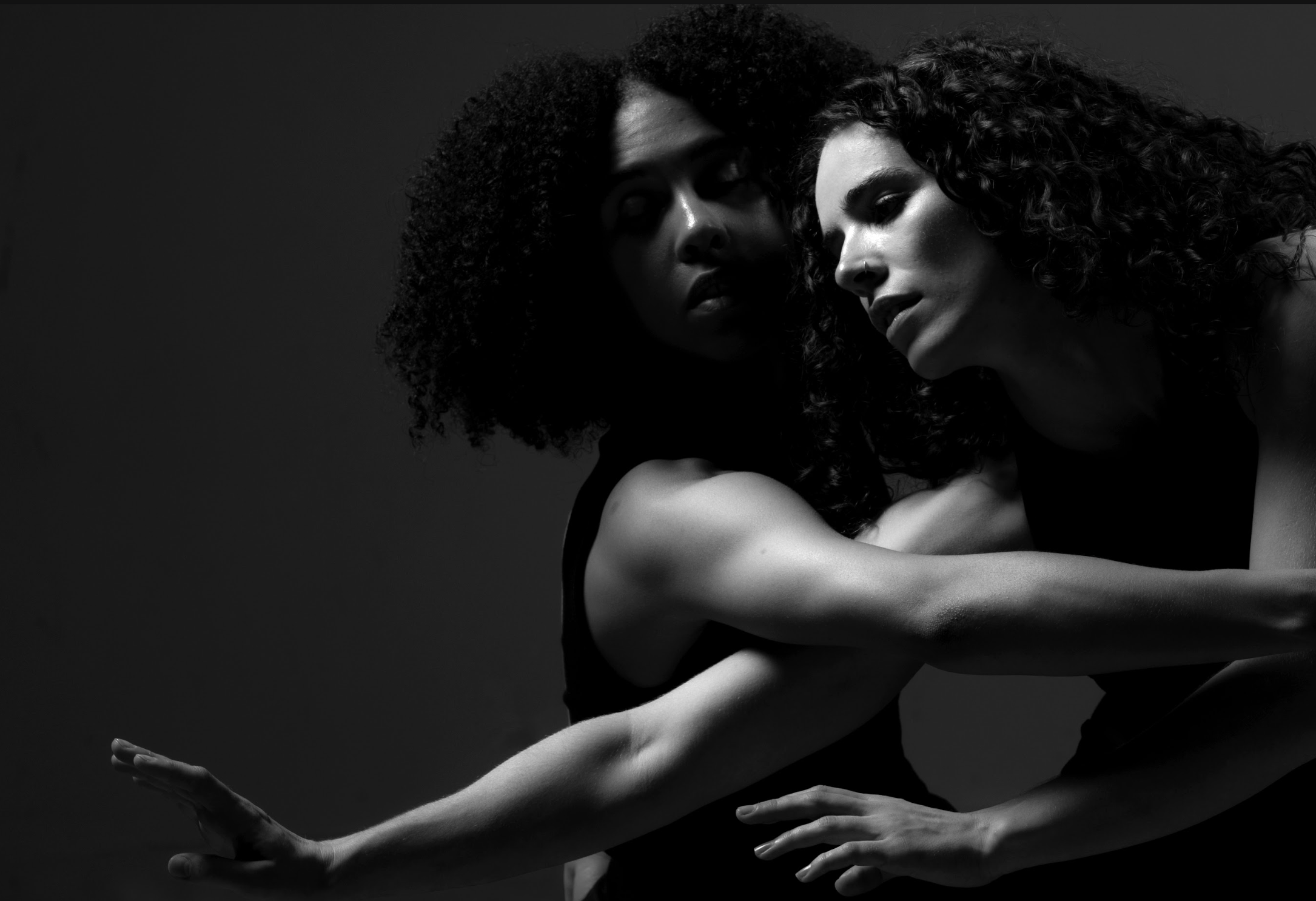
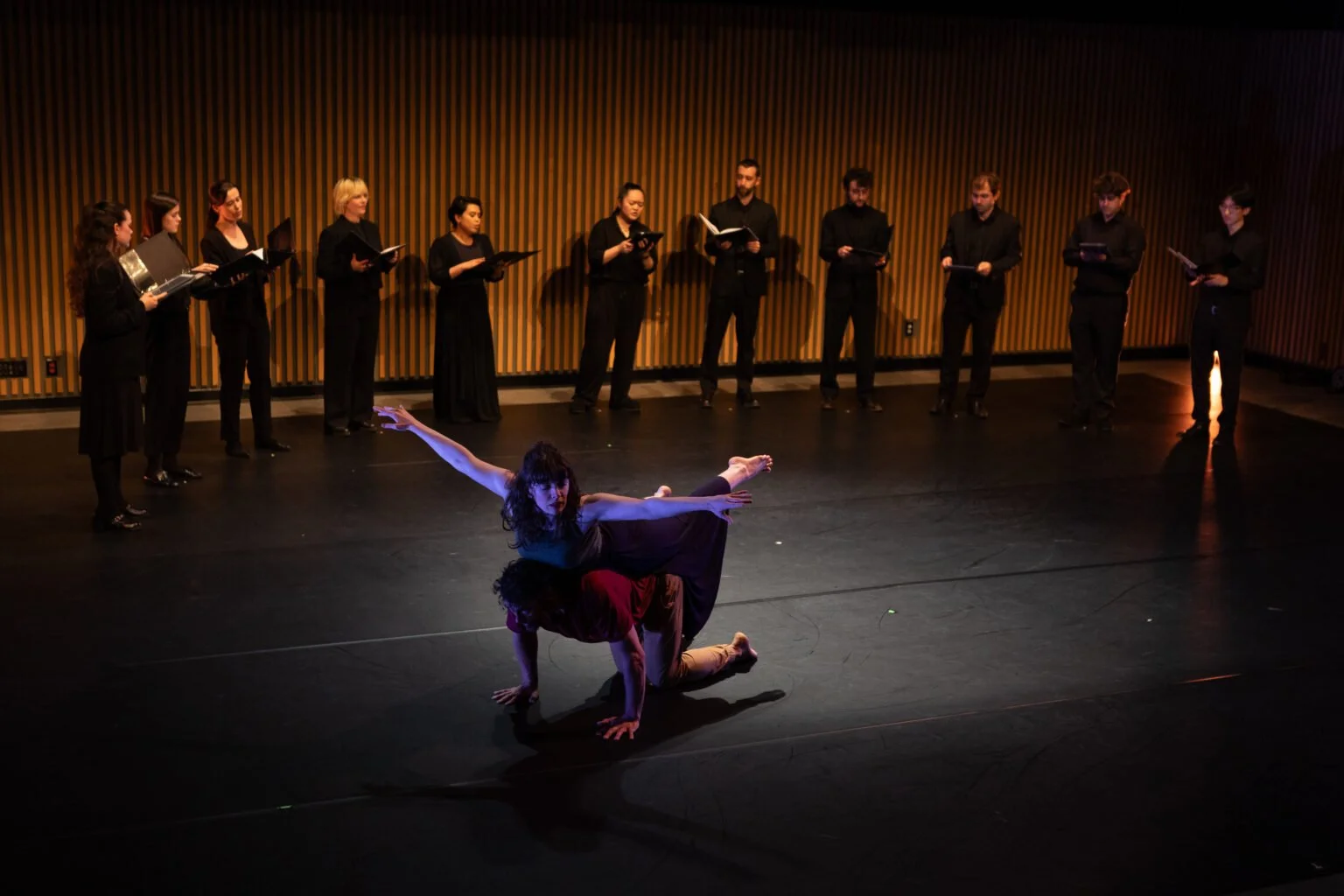
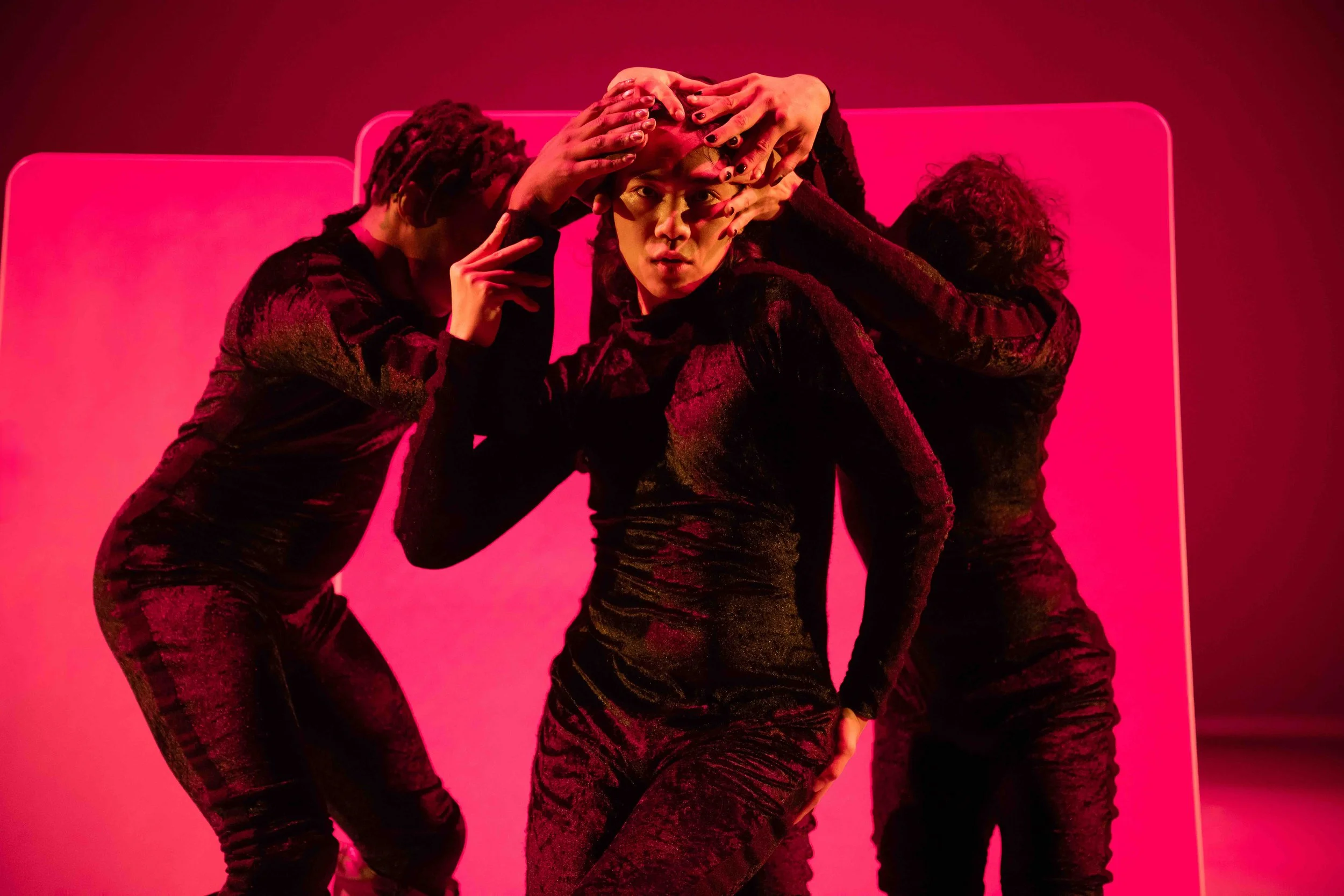
Myokine. Photo by Steven Berruyer
The Firehall Arts Centre presents Anne Plamondon Productions’ Myokine from October 30 to November 1
WHEN THE HUMAN BODY is in motion, its muscles secrete a special type of protein called myokines. In recent years, researchers have started calling myokines “hope molecules” because of their regenerative effects on the body and mind—they’ve proved that physical exercise helps build resiliency to mental stress.
Quebec dance artist Anne Plamondon found out about myokines when she was doing research for the first group production she’d be choreographing for her own company, Anne Plamondon Productions. In the aftermath of the pandemic, she was looking for a way to foster solace during what was a dark time for many.
Speaking to Stir by Zoom from Montreal, Plamondon recalls what went through her mind as she read about myokines—and grew increasingly fascinated with them.
“I said, ‘Oh, yeah, that’s totally my situation,’” the choreographer relays. “Because when I dance, I feel alive and I feel energized, actually. Sometimes a bit fatigued by the dancing, but overall energized when my body is activated. And I thought, well, dancers are probably builders of hope—and messengers of hope—because we are moving. I thought it was a nice thread to start sewing it together.”
The resulting piece, Myokine, premiered at Montreal’s Danse Danse in 2023. The Firehall Arts Centre is presenting it here in Vancouver from October 30 to November 1. The piece will also hit stages in Montreal, Dallas, and Boston this winter.
Plamondon’s choreographic style is rooted in her classical ballet background. As a young dancer, she trained at Canada’s National Ballet School, the Banff Centre for the Arts, and École supérieure de ballet du Québec, before joining Les Grands Ballets Canadiens. She has since performed with Nederlands Dans Theater and Ballet Gulbenkian in Portugal, and spent several years dancing with Crystal Pite’s Kidd Pivot in pieces like Lost Action and The You Show. Plamondon was also co–artistic director of Victor Quijada’s RUBBERBAND for a decade; the Montreal company is known for its method that combines breakdancing, classical ballet, contemporary, and theatre elements.
Since founding her own company in 2018, Plamondon has choreographed small-scale works such as the mental health–centred solo The Same Eyes as Yours and her duo Only You with James Gregg, which explored the balance between togetherness and separation. She notes that whether she’s choreographing a solo, duo, or group piece, she always begins by generating movement with her own body. But because she doesn’t perform in Myokine, it took some extra consideration.
“I put a lot of attention to developing my signature on other bodies,” Plamondon explains. “I think when I was dancing my own work I didn’t question things, because I have a dance heritage, life heritage, and it was coming out naturally. But when you’re in a place where you want to transmit it, and you want it to be manifested by others, it takes a very good amount of communication and clarity in guiding them.”
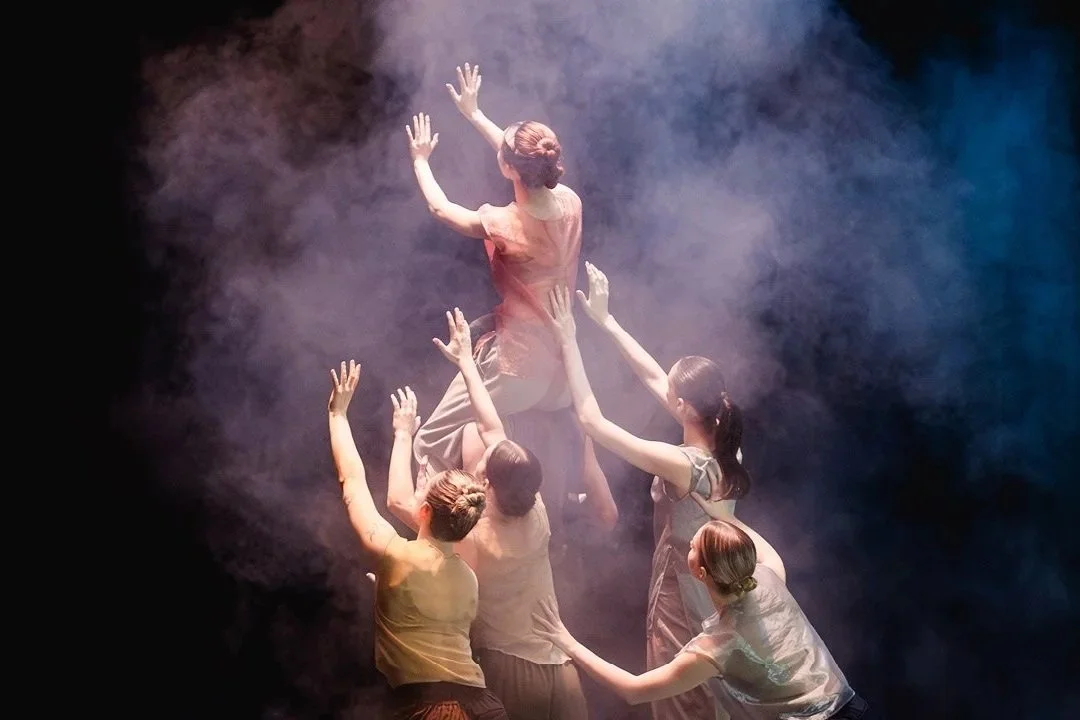
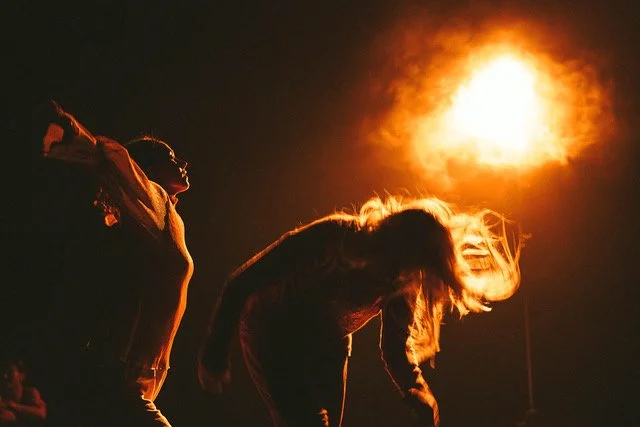
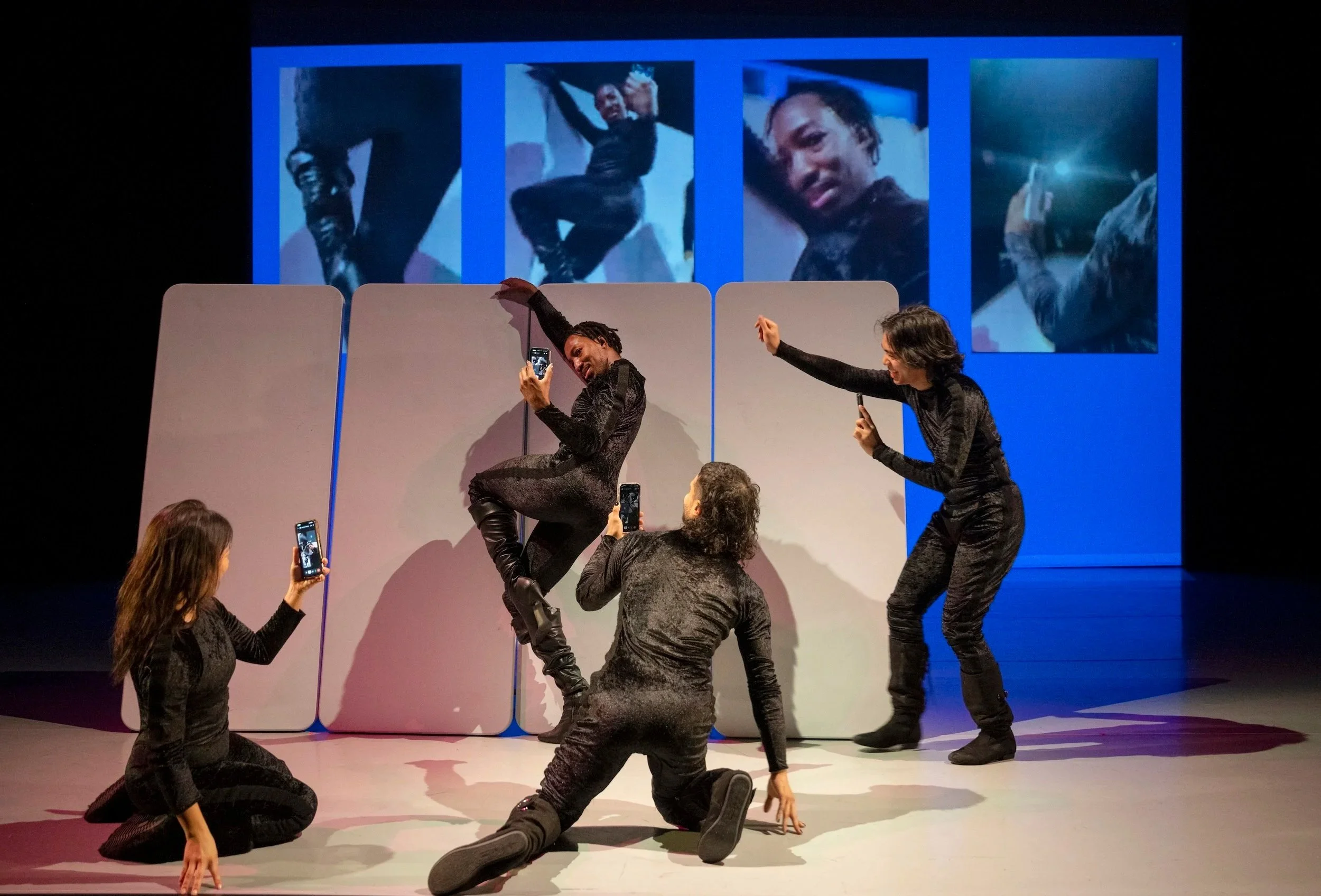
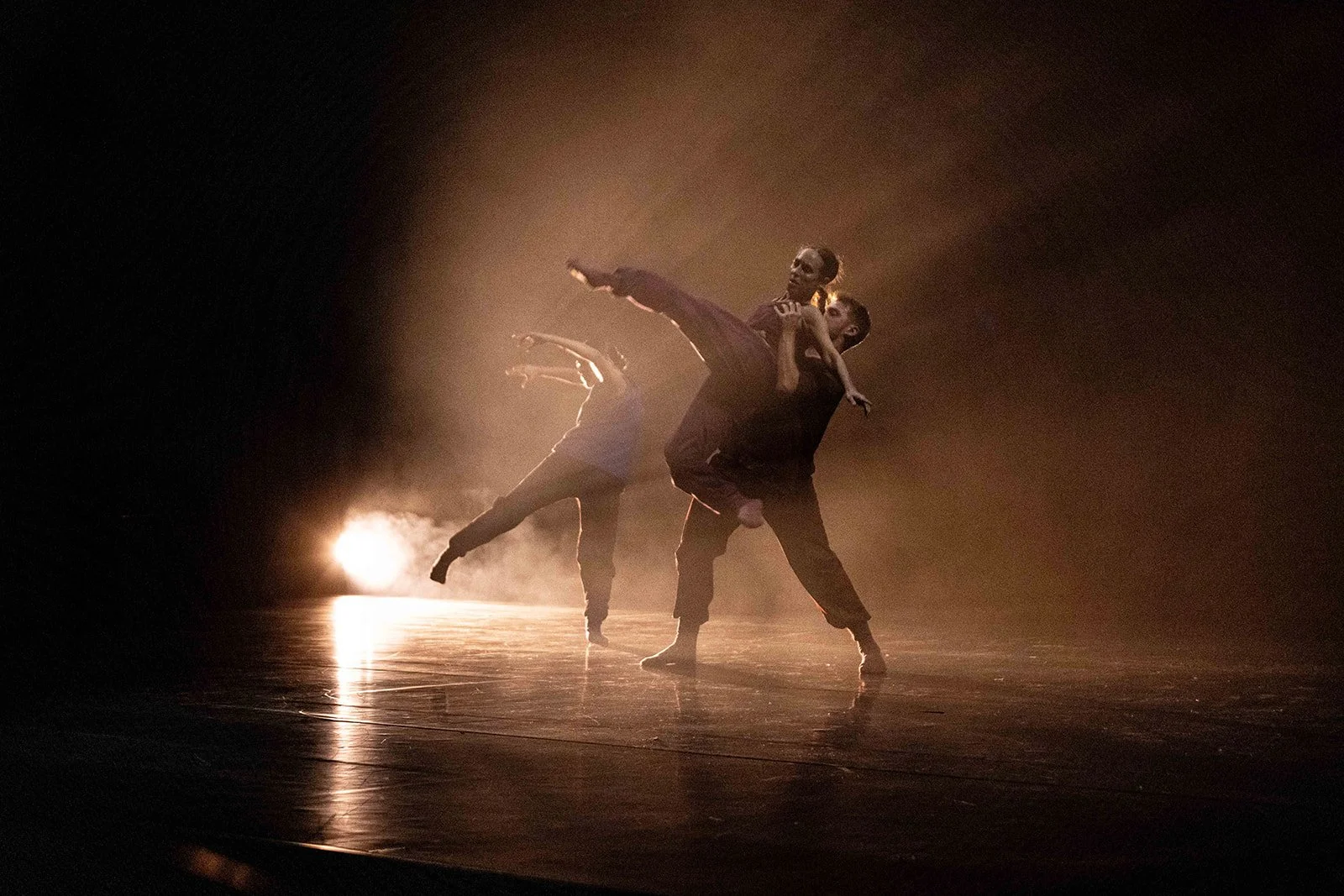
Myokine. Photo by Steven Berruyer
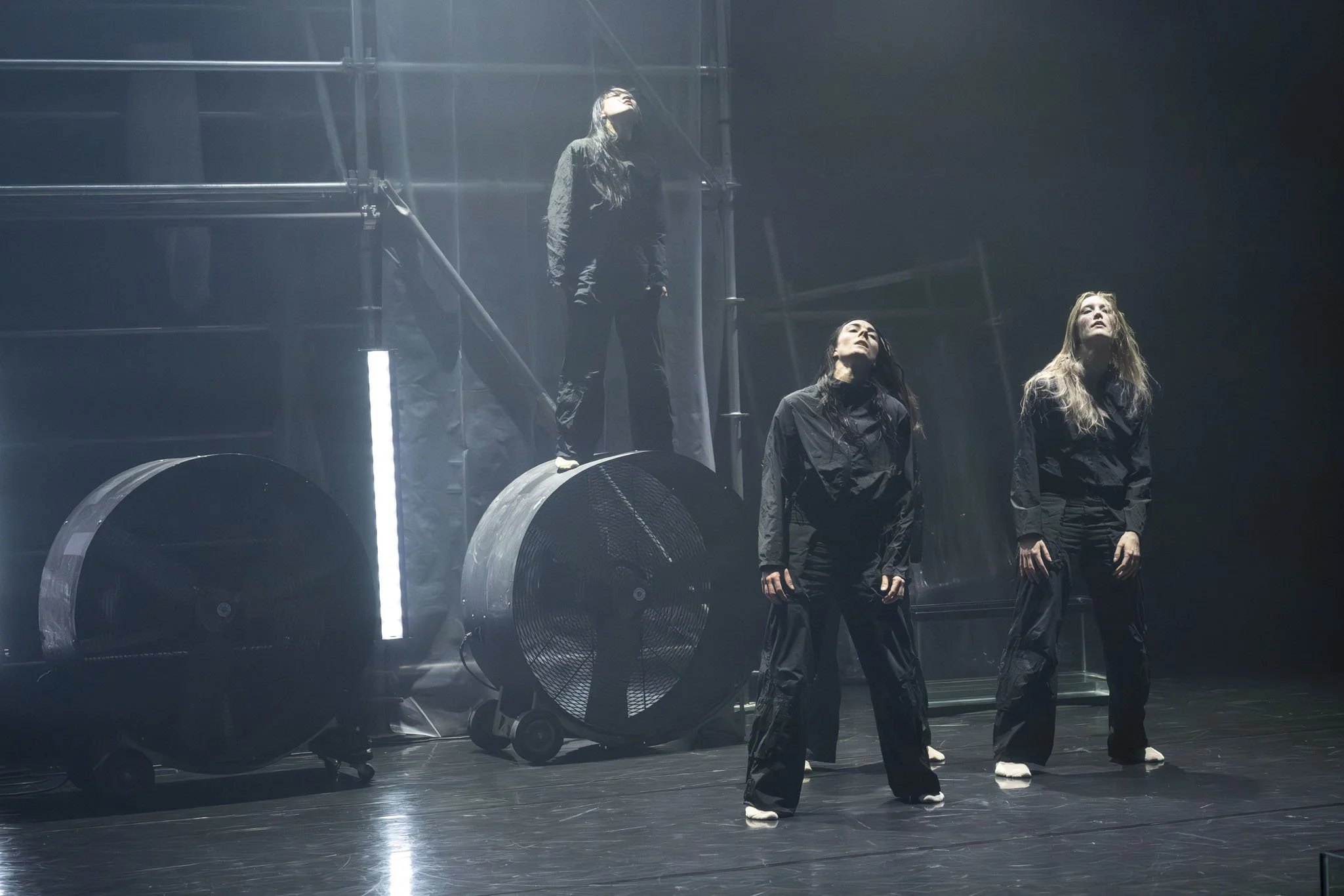
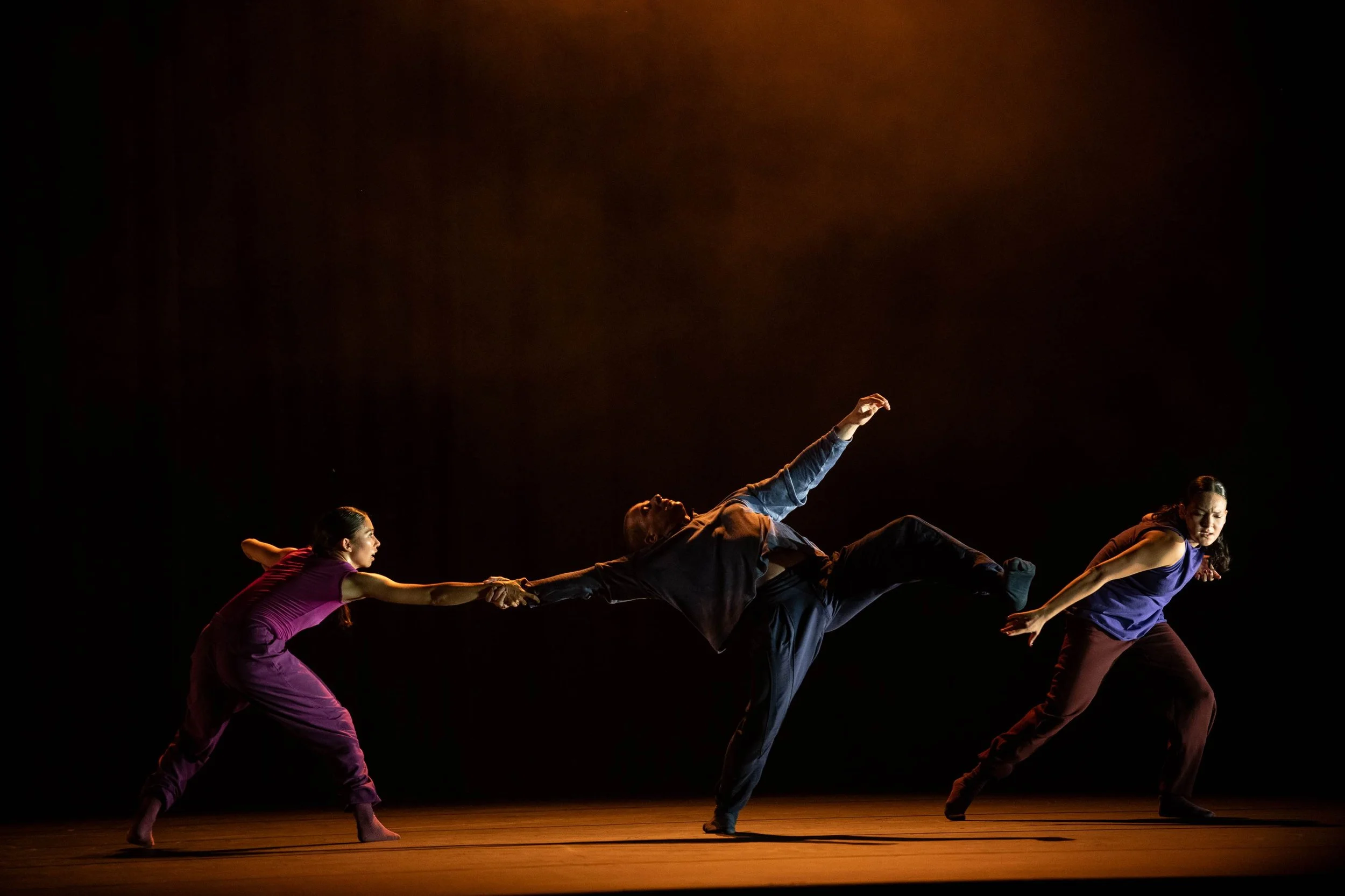
At the Firehall, Myokine will feature seven dancers. In much of the piece, they’re playing with oppositional forces like tension and release. Plamondon also says she’s included “just enough technical challenges for the dancers to always be staying aware.”
The sound design for Myokine is by two composers. The first, Ourielle Auvé, is a harpist, cellist, and pianist who reinterprets her orchestral sounds as electronic music. The second, multi-instrumentalist Olivier Fairfield, is a long-time collaborator of Plamondon’s. Their score emphasizes Eric Chad’s lighting design, which leans heavily into shadows to evoke a feeling of yearning, as if the dancers are finding a light at the end of the tunnel.
“It’s so easy to lose hope,” Plamondon acknowledges. “It takes a lot of effort to keep working, keep digging, keep marching. There’s a section in the piece, we call it the big diagonal, and it’s really about marching together in the mud, in the difficulty, in the fatigue. And when we keep going in the difficulty—when we have the courage to continue in the difficulty—somehow something pierces through. There’s always something that pierces through, like a solution or someone that’s going to reach a hand and help out.”
Since the production’s 2023 premiere, it has continued evolving. For this remount, Plamondon has added a spoken-word element—the dancers will share some thoughts on what hope is and how it manifests itself.
“That relationship between the darkness and the light, it’s never just désespoir,” Plamondon says. “It’s never just desperation or positivity. I mean, life is really these different sides. You see the light piercing through the forest because there’s a certain darkness, and then when the light pierces through, you’re like, ‘Oh! I see the light because it’s dark.’ You appreciate it because those oppositions, they actually kind of need each other to exist. There’s this coexistence.
“We also talked about that if we are holding a dark space, that’s okay,” she adds. “It’s human. We should see it, we should look at it, and we should embrace it—and build hope around it.” 

Related Articles