Stir Cheat Sheet: 5 things to know about Vetta Chamber Music’s season opener, Legacy
The concerts signal the beginning of a new era for the long-running local institution, with the 2026-27 season marking violist Hung-Wei Huang’s first as Vetta’s artistic director
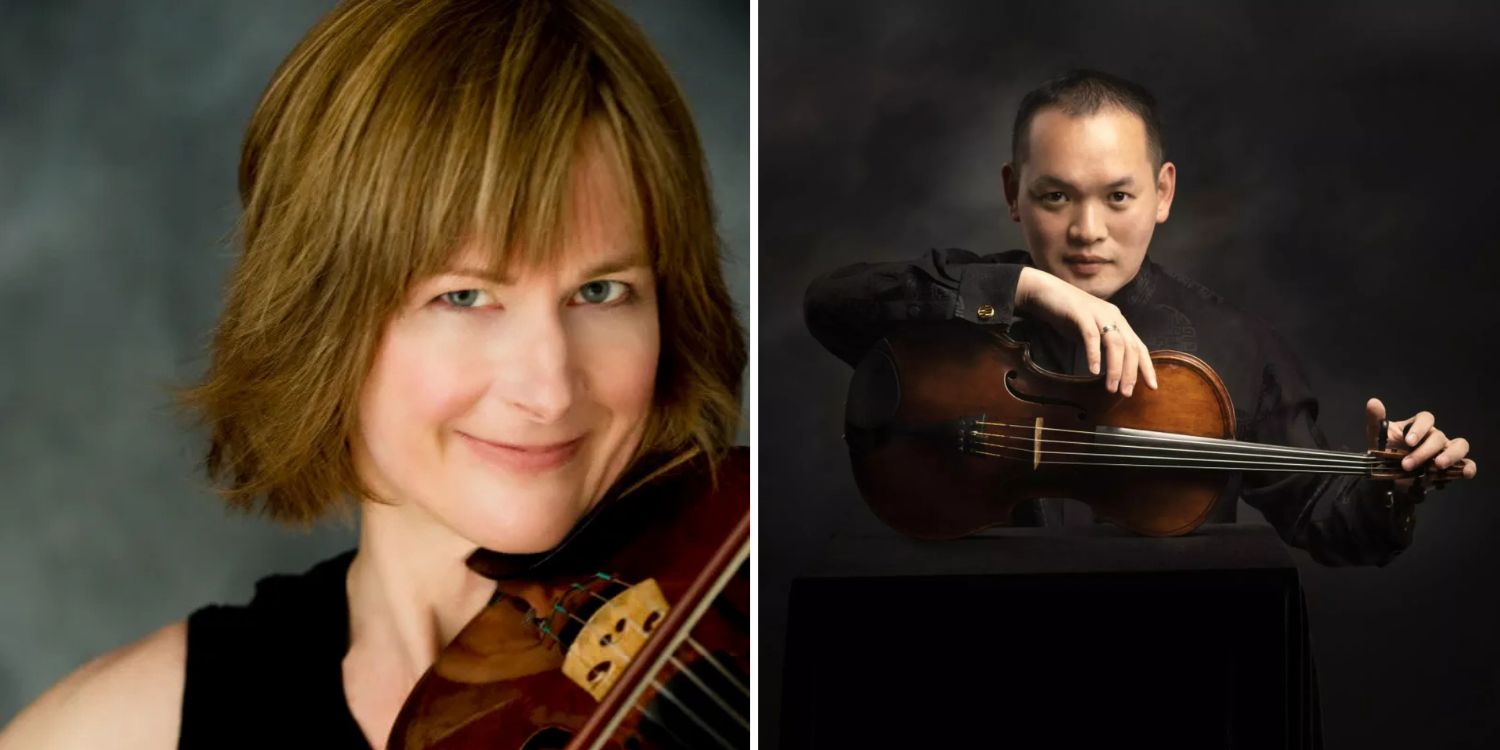
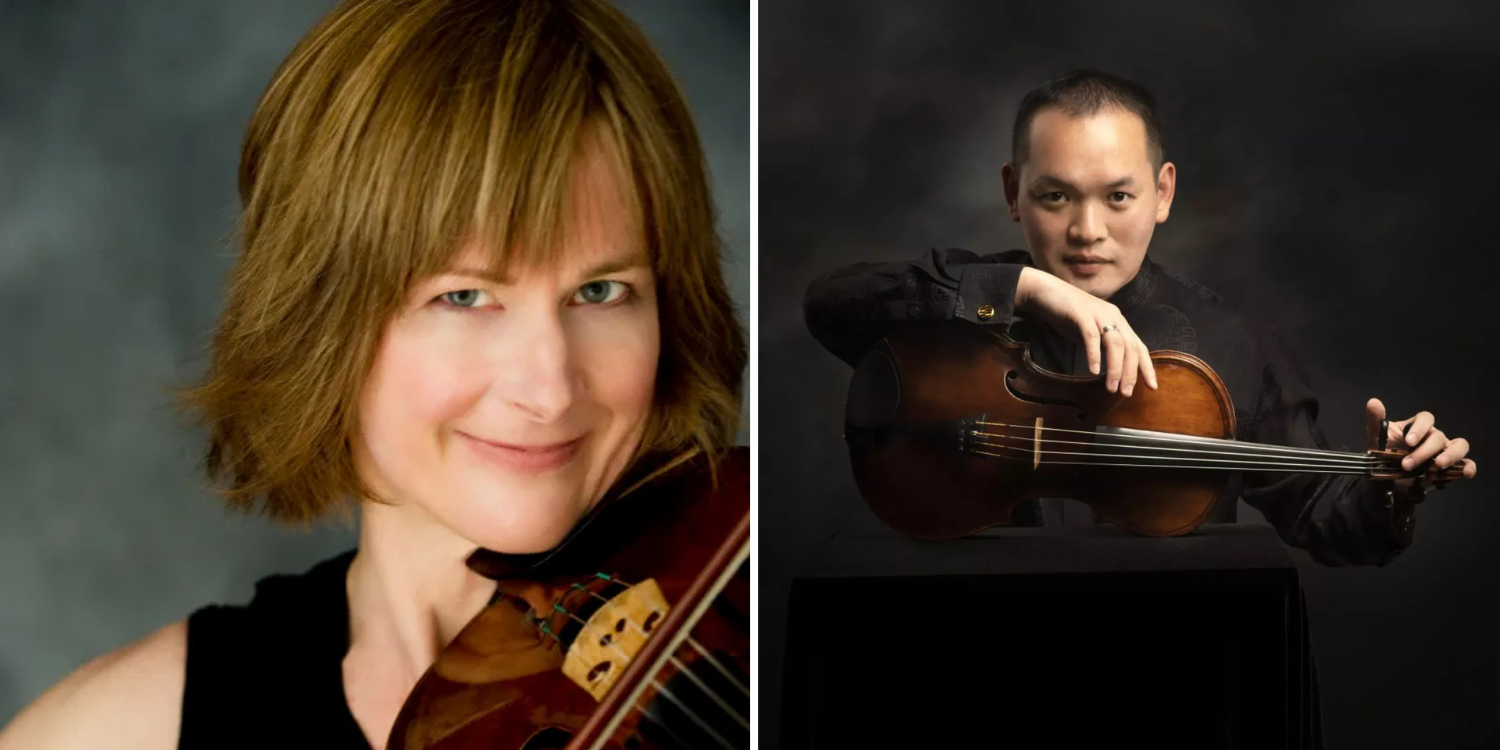
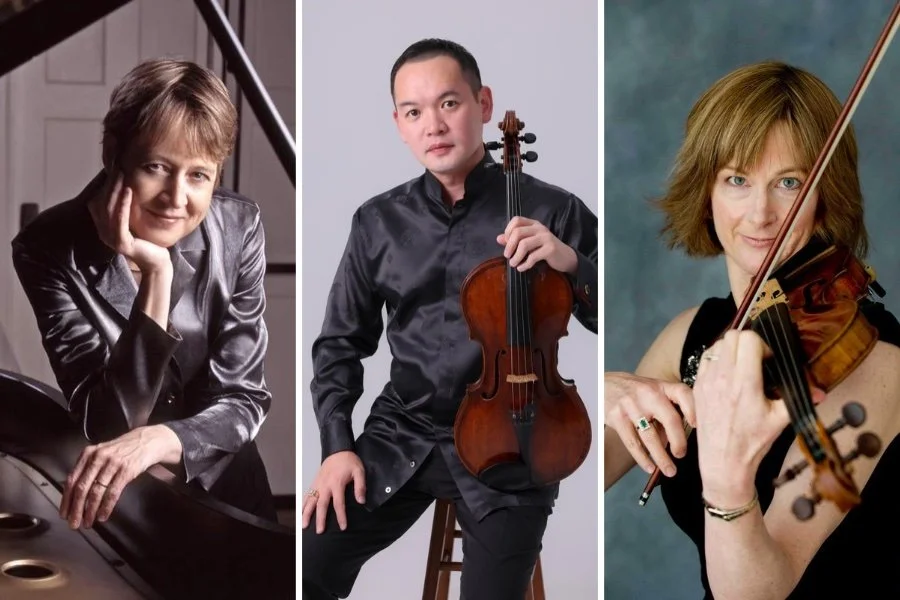
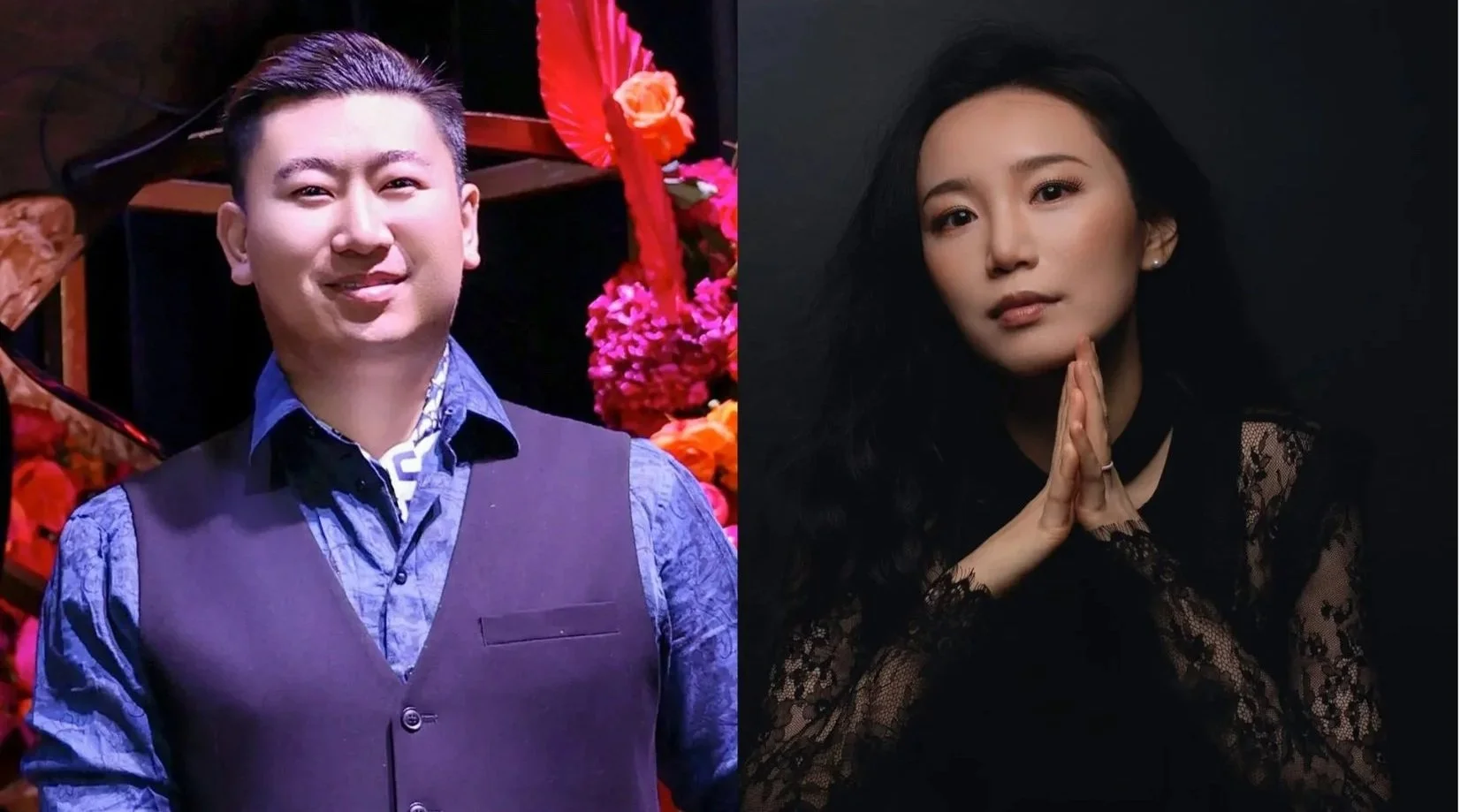
Left to right, Joan Blackman and Hung-Wei-Huang
Vetta Chamber Music presents Legacy on September 25 at West Point Grey United Church, September 26 at West Vancouver United Church, September 27 at Pyatt Hall, and September 28 at ArtSpring on Salt Spring Island
VETTA CHAMBER MUSIC kicks off its 2026-27 season with a program featuring a pair of string duos by Wolfgang Amadeus Mozart, plus Leoš Janáček’s Violin Sonata and Paul Hindemith’s Viola Sonata, Op. 11 No. 4. Pianist Jane Coop and violinist Joan Blackman join Vetta artistic director and violist Hung-Wei Huang.
But the opening program marks much more than just the return of the organization well-known for its intimate, high-calibre performances. Here are a few important things to know about the coming shows.
This concert represents a passing of the torch
Legacy isn’t just the opening performance of Vetta’s new season, it’s also the beginning of a new era for the long-running local chamber-music organization. The 2026-27 season marks Huang’s first as Vetta’s artistic director. After 19 years in that role, Blackman accepted a position as concertmaster of Nanaimo’s Vancouver Island Symphony, hand-picking the Taiwanese-born Huang to be her successor.
Huang, who is also principal violist with the Vancouver Symphony Orchestra, officially took the reins on June 1. He prepared for his new gig by shadowing Blackman for several months. In an interview with Stir this April, he said, “This experience is incredibly, incredibly valuable for me at the moment. I’m just very thankful and grateful to have someone like her to learn from.”
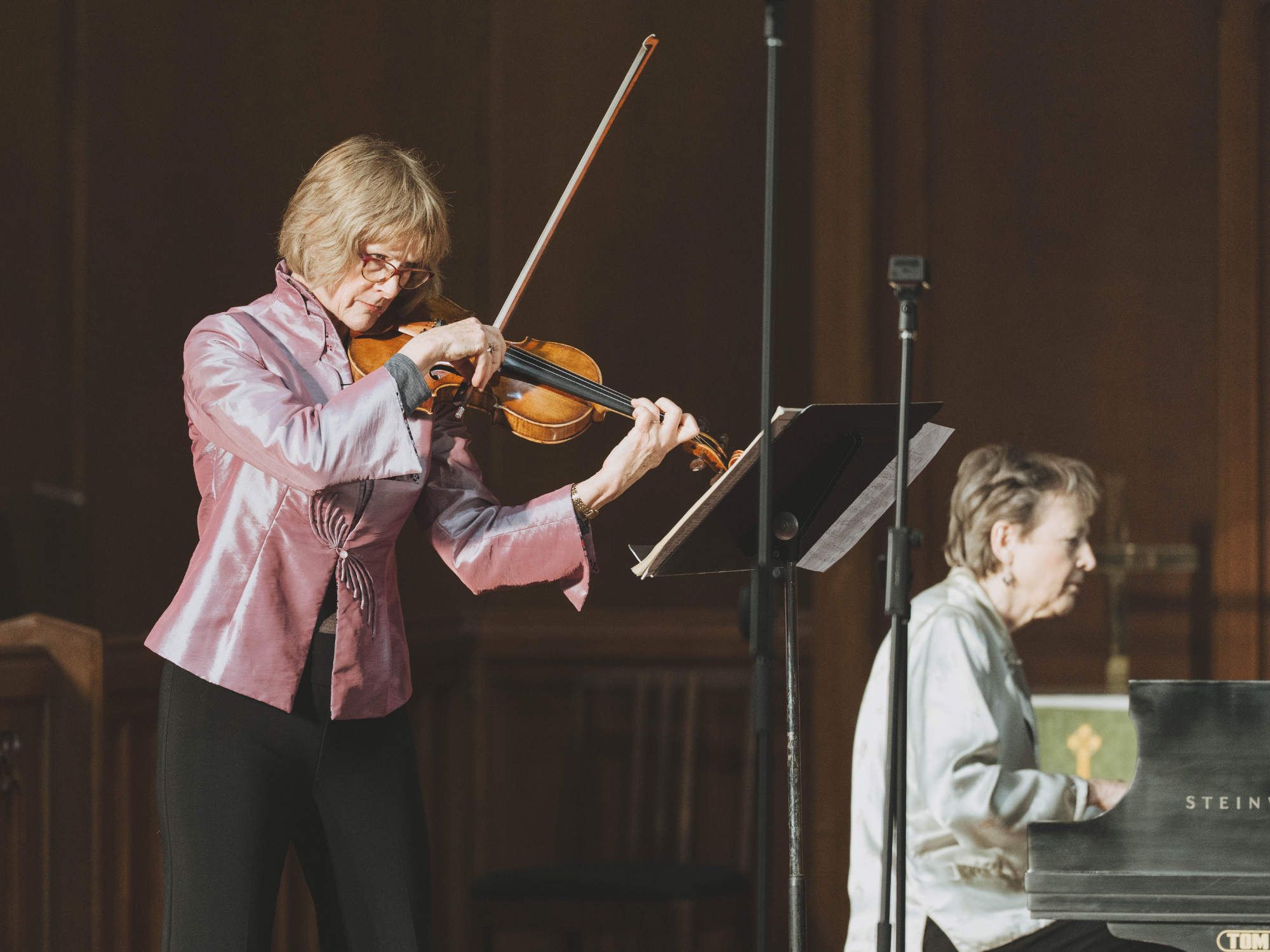
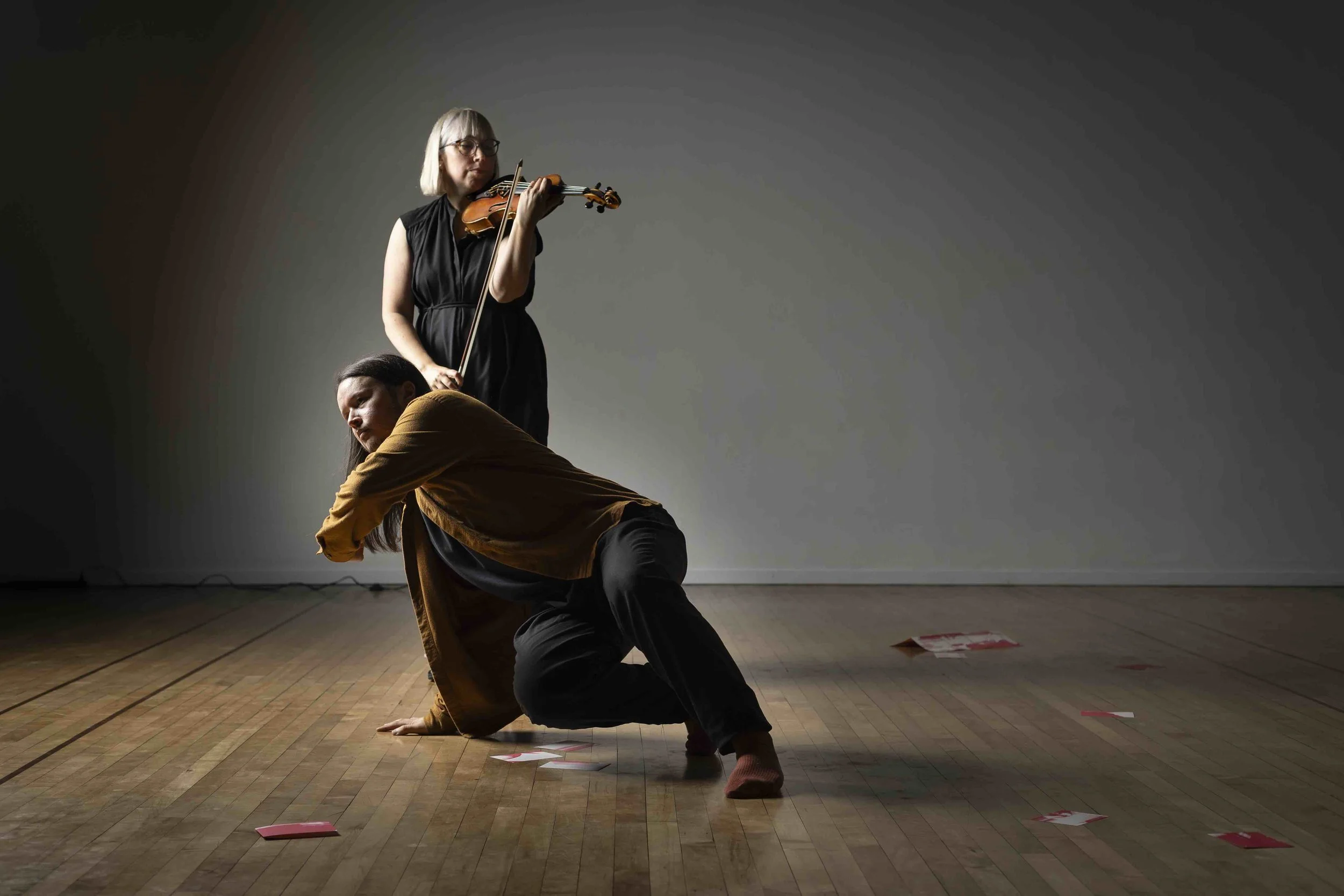
Left to right, Joan Blackman and Jane Coop performing together at a Vetta concert last season. Photo by Ken Cheng
It’s also a gathering of old friends
Coop is no stranger to the Vetta stage, having graced it a number of times over the years. Most recently, she joined Blackman and cellist Ariel Barnes for a concert in January of this year titled Music to Warm the Heart. The season before that, Coop and her Steinway performed as part of Vetta’s French Connections concert, alongside Blackman, Huang, and cellist Henry Shapard.
An internationally recognized and in-demand concert pianist, Coop has performed in concert halls the world over, and three of her recordings have received Juno Award nominations. In 2012, she was appointed a member of the Order of Canada, and in 2019 she was appointed to the Order of British Columbia.
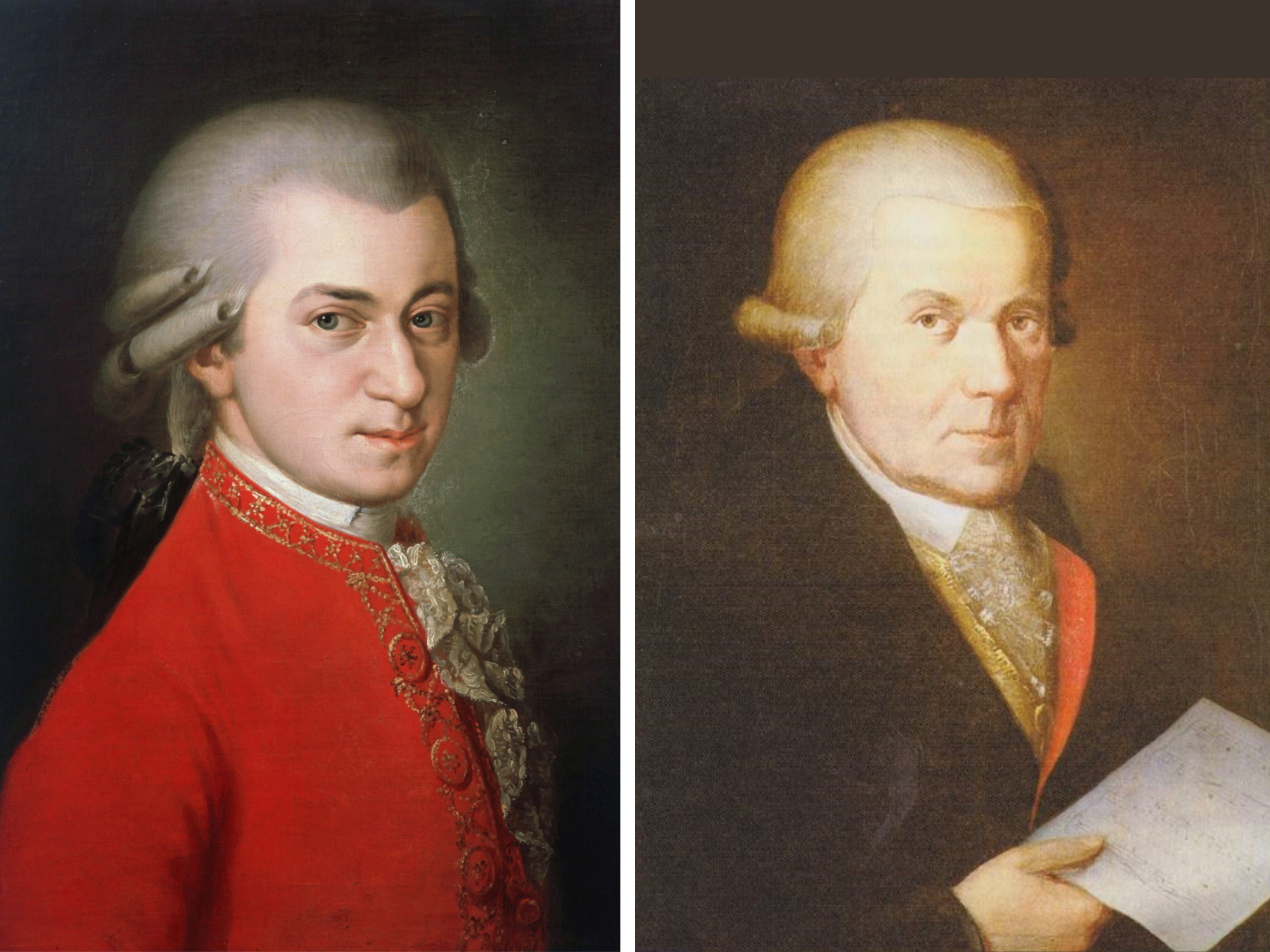
Left to right, Wolfgang Amadeus Mozart, Michael Haydn
Mozart wrote his string duos as a favour to an ailing pal
You can think of Mozart as music history’s greatest pinch hitter. In 1783, Archbishop Hieronymus Joseph Franz de Paula Graf Colloredo von Wallsee und Melz—we’re just going to call him Colloredo for the sake of simplicity—commissioned Michael Haydn (brother of the inarguably more famous Joseph) to compose six string duos.
Haydn got four of them written, but then he fell ill, and Mozart stepped in to do the remaining two, which are the ones on Vetta’s Legacy program. All six were presented to Colloredo as the sole work of Haydn, but you would think the archbishop should have been able to detect Mozart’s unique style, given that he was the latter’s patron and employer for the better part of a decade.
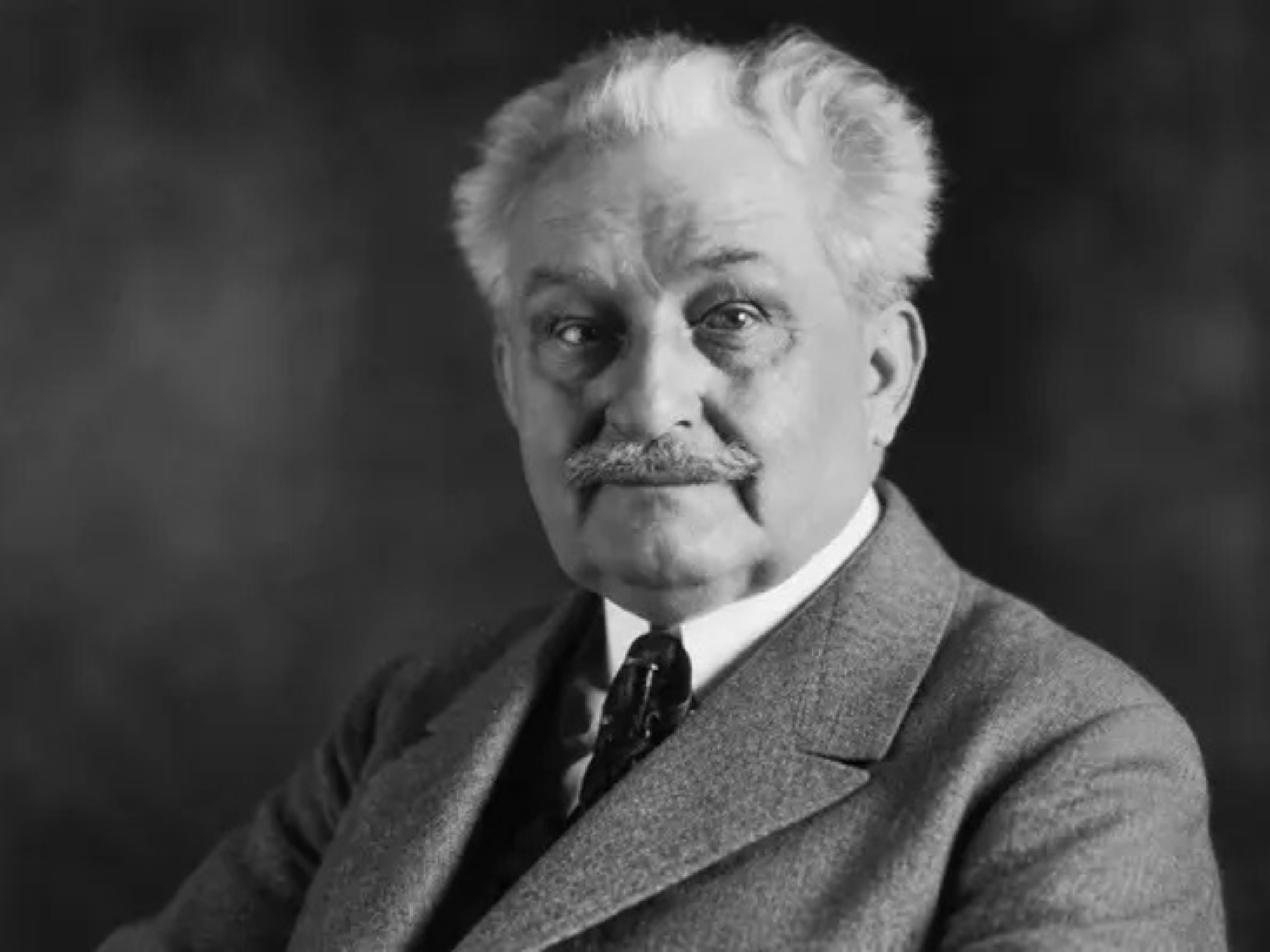
Leoš Janáček
Janáček’s Violin Sonata was shaped by the outbreak of war
In the summer of 1914, Czech composer Leoš Janáček was working on his Violin Sonata while, elsewhere in Europe, all hell was breaking loose. It’s no great stretch to imagine that the outbreak of the First World War had an impact on Janáček’s music. In fact, he later said as much himself, writing that “In the 1914 sonata for violin and piano I could just about hear the sound of the steel clashing in my troubled head.”
Noting the “psychological immediacy” inherent in Janáček’s signature compositional technique of using short phrases mimicking human speech, classical-music blogger Emily E. Hogstad writes: “It is one of the first great violin sonatas—maybe the first—that announces the death of the sentimentality of the Romantic era.”
When the piece was first performed outside of what was then Czechoslovakia—in Frankfurt in 1923—the violin part was played by a young German musician and composer named Paul Hindemith. Speaking of whom…
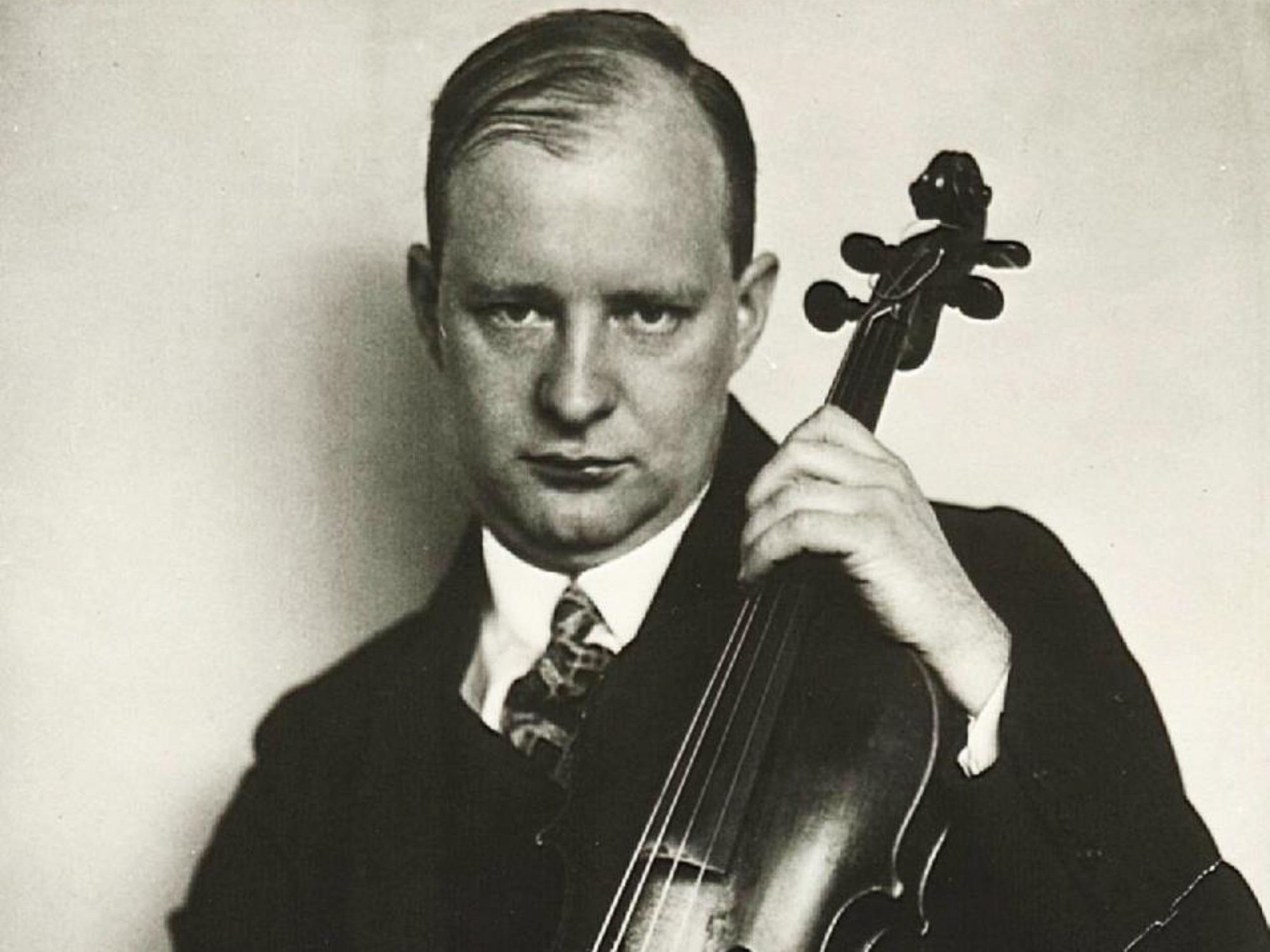
Paul Hindemith
Paul Hindemith was both a traditionalist and a musical maverick
Hindemith wasn’t just a musician, and he was more than a composer. In some ways, he was a musical philosopher, as exemplified by his three-volume treatise, The Craft of Musical Composition. Hindemith's musical forms and use of counterpoint were rooted firmly in Baroque and classical traditions, but he also made free use of all 12 notes of the chromatic scale.
To our 21st-century ears, works like Hindemith’s gorgeously detailed Viola Sonata, Op. 11 No. 4 don’t sound far outside the norm, but he had his detractors in his day. Joseph Goebbels, for one, dismissed the composer as an “atonal noisemaker". Anyone who could get the Nazis so worked up is okay in our books. 

Related Articles