Daniel Léveillé's Amour, acide et noix finds a staying power in skin and sinew
At DanceHouse, the Montreal artist resurrects a piece whose stripped-down expression is still touring after 23 years
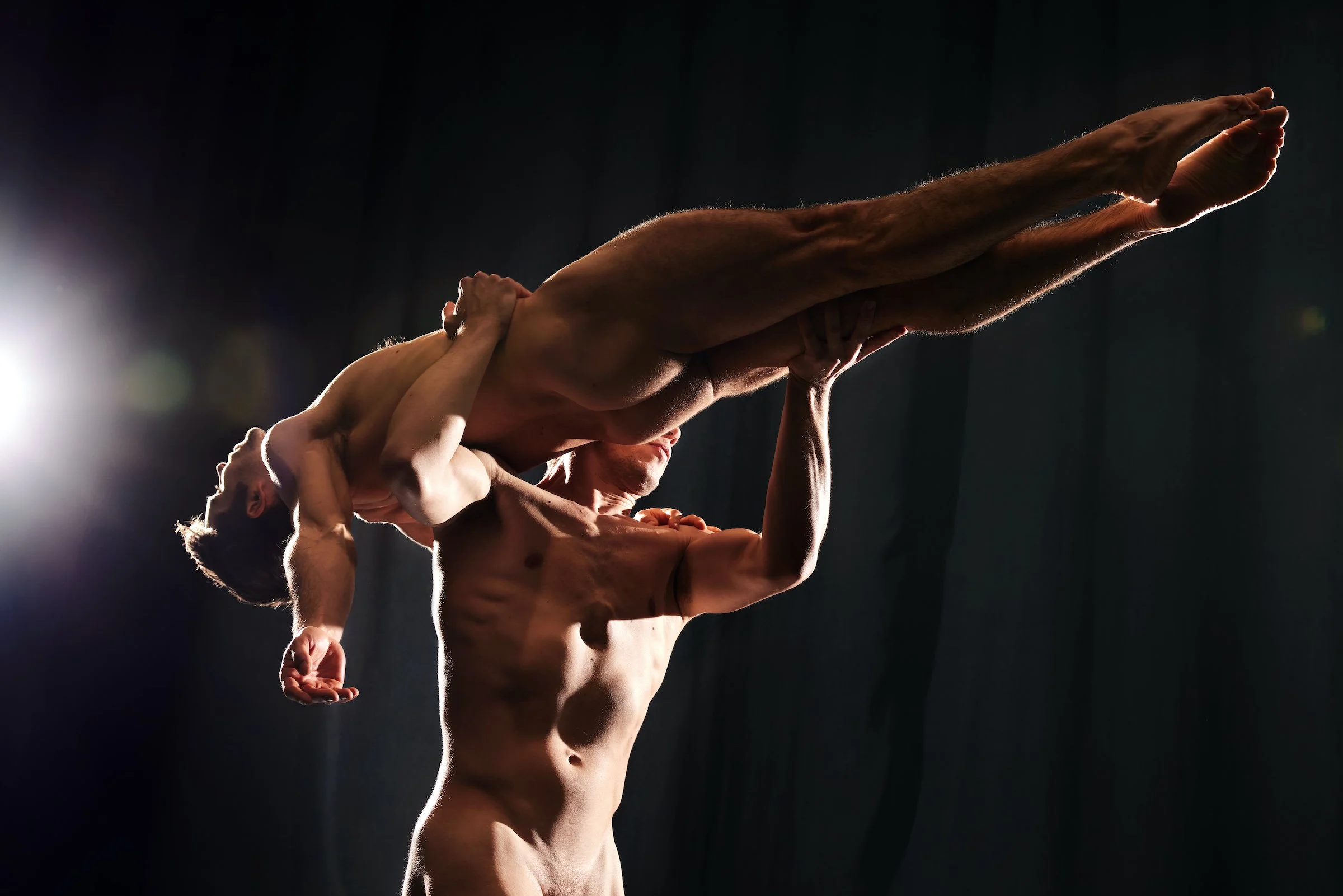
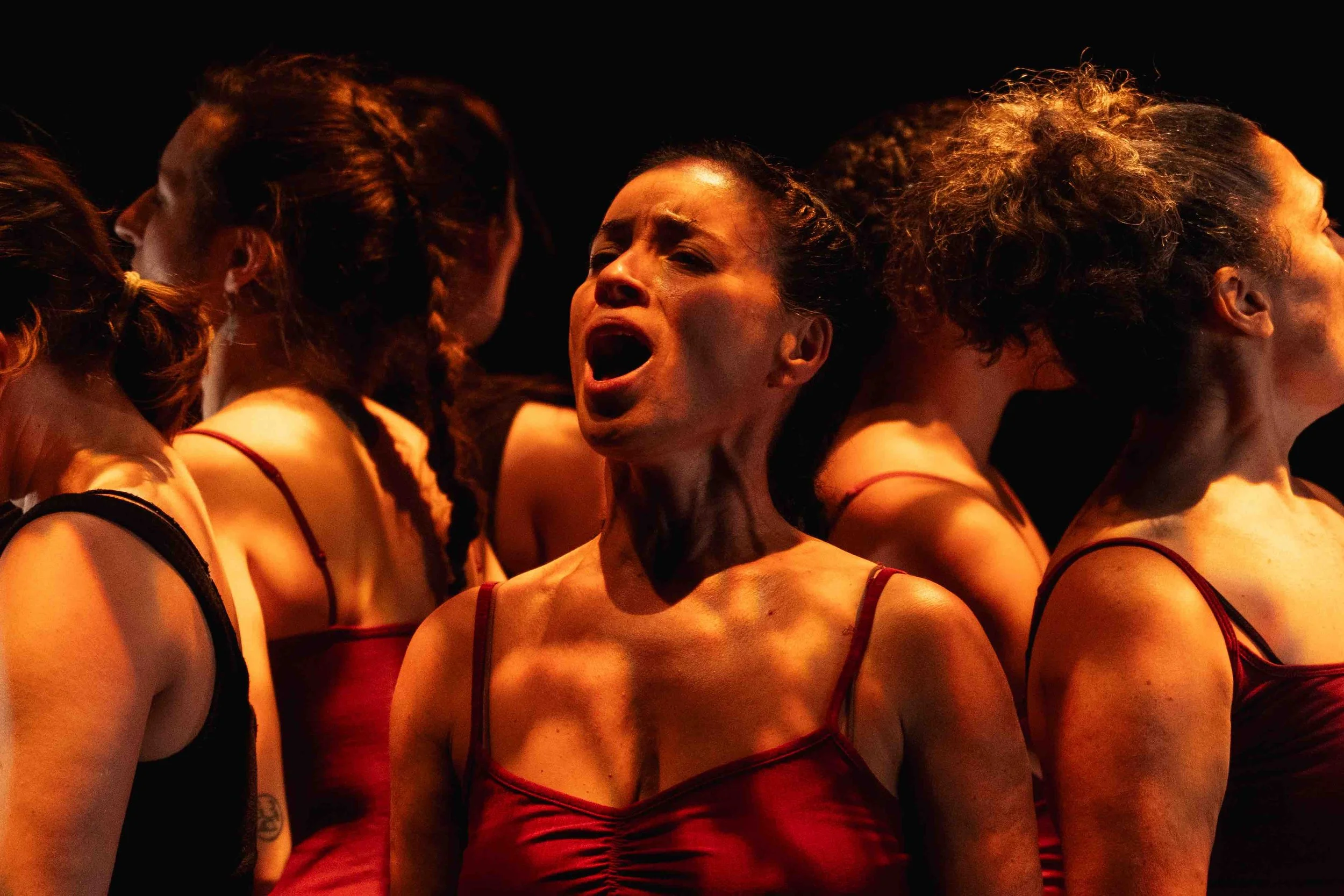
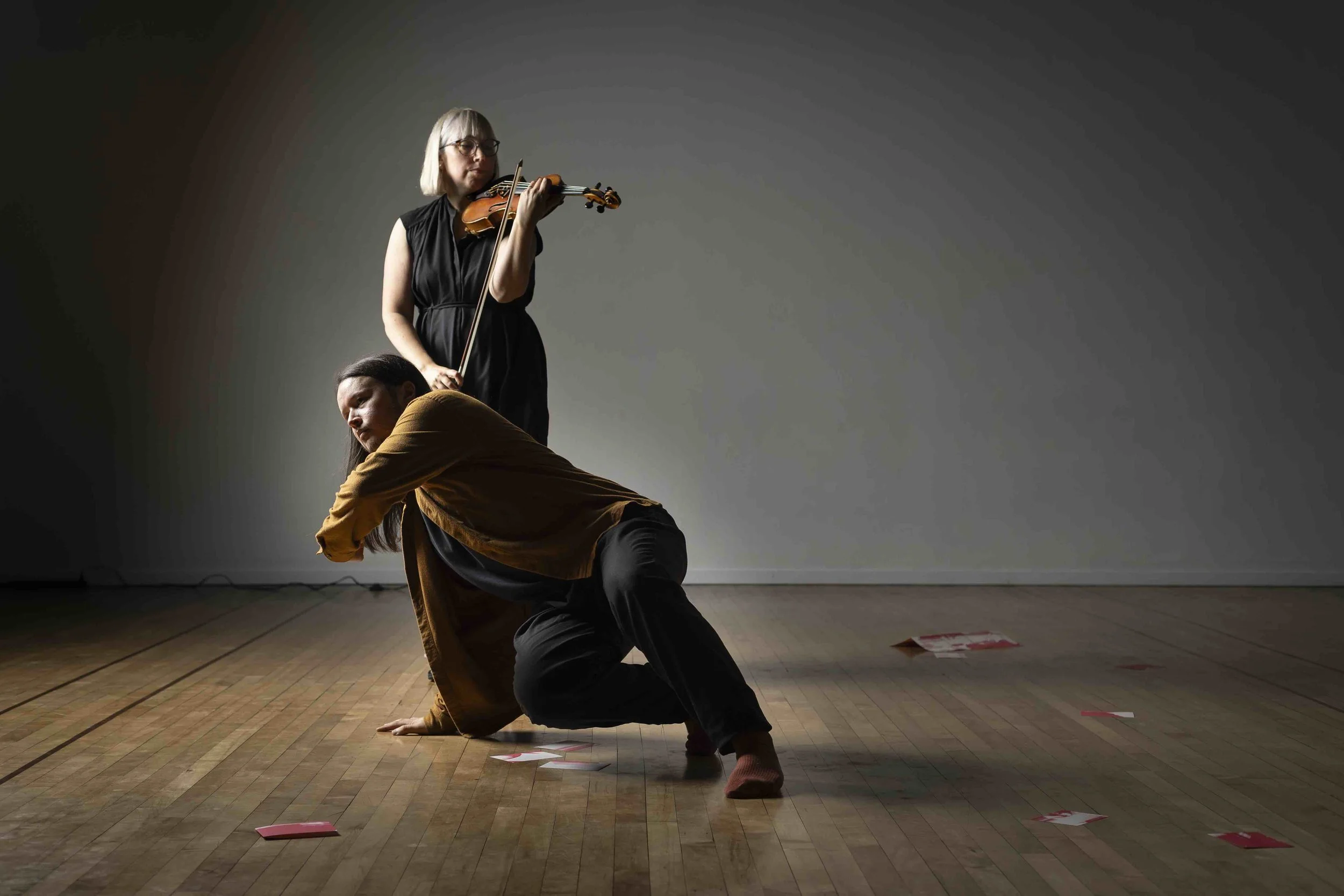
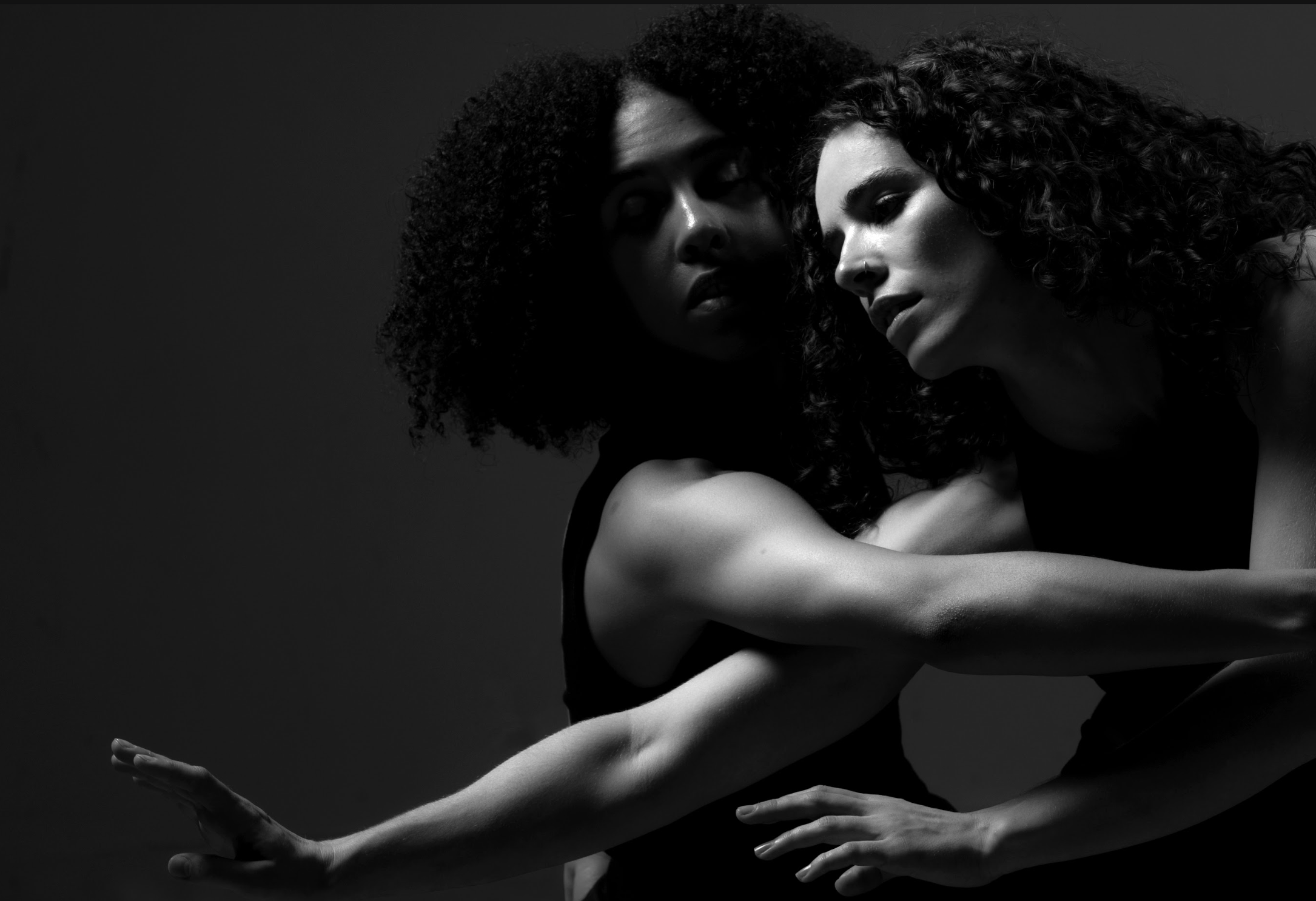
Amour, acide et noix. Photo by Julie Artacho
DanceHouse presents Amour, acide et noix at the Vancouver Playhouse on October 24 and 25 at 8 pm
IN THE FLEETING WORLD of contemporary dance, it is a rarity for a work to live on beyond a few years.
Veteran Montreal artist Daniel Léveillé’s Amour, acide et noix (Love, acid and nuts) is the absolute exception. The piece is still in demand more than 23 years since its creation, and is set to hit Vancouver on a new tour.
Asked why the 2001 work—a literally and figuratively stripped-down piece for four nude dancers—has such lasting power, the choreographer says it gets at something essential, and impossible to express in words, about human existence.
“Maybe it’s the purity of it, even if that word is dangerous to use,” he begins, speaking to Stir by phone from Montreal. “But there's something frank and so direct about it.
“I mean, from the minute I created it, it was extremely successful in Montreal. And now it has been presented almost everywhere. It’s just amazing where that piece has gone: Jakarta in Indonesia, and it went to Tel Aviv. We went to South America, to Brazil, to Mexico, and almost all the countries in Europe.”
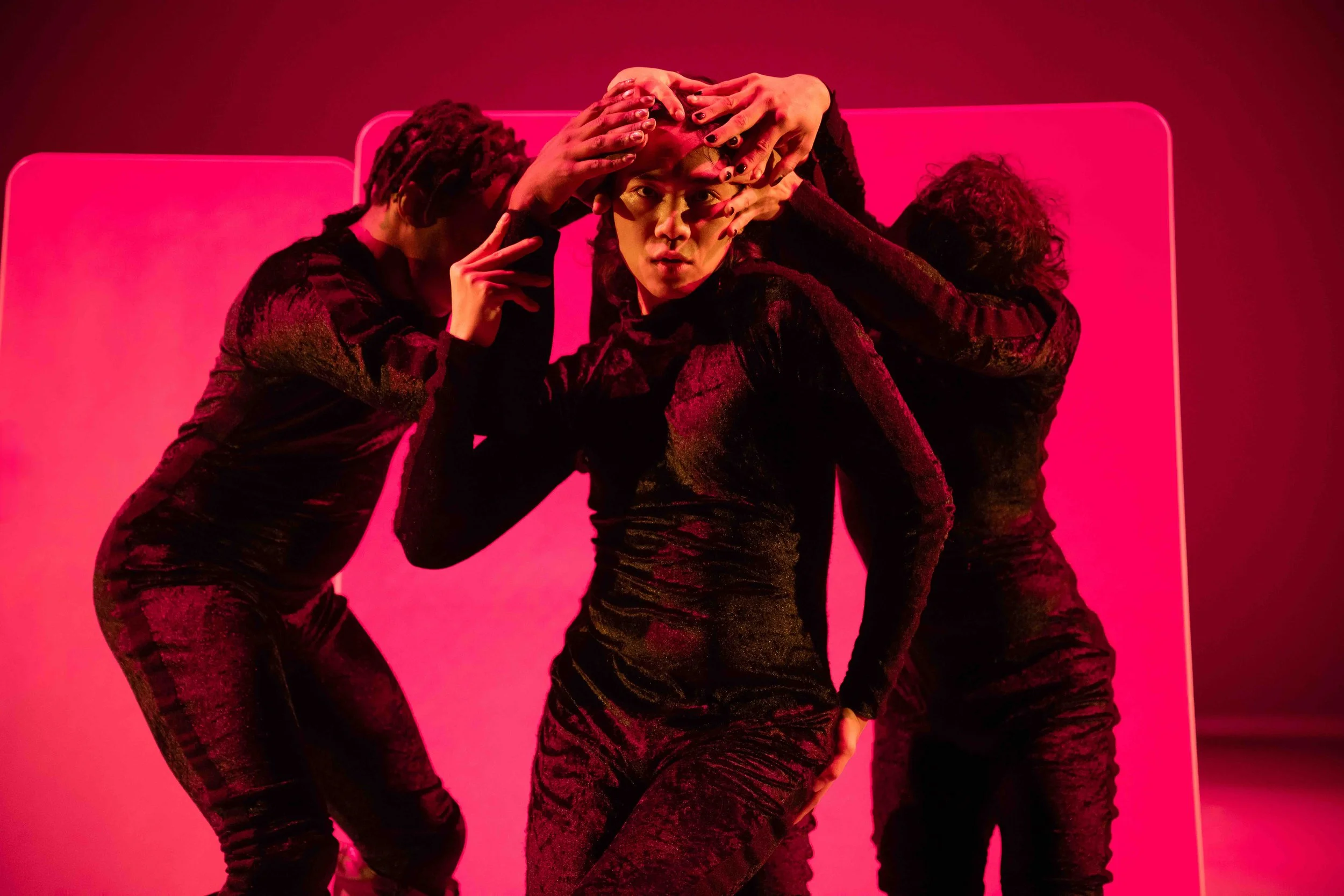
No matter where his eponymous company performs Amour, acide et noix, and no matter what the cultural attitudes toward nudity, the artist says audience members stop focusing, minutes into the work, on the fact the performers are naked. His intricately crafted choreography attempts to mine human emotion through the pure kinetics of the body—in simple skin and sinew. Its soundtrack spans Vivaldi’s The Four Seasons, pop music, and birdsong.
Léveillé recalls the revelation he experienced in his Montreal studio while creating the piece more than two decades ago—a turning point that would influence his practice for years to come.
“I knew I wanted the audience to see the body functioning. And so we were rehearsing in underwear,” he relates. “And then I said, ‘Okay, just for myself, would you accept to do a run-through naked?’ And the dancers said ‘Yes.’ And it was just a revelation: in underwear, they were looking like nice, young, well-trained bodies, so they were just sexy. But naked, they were not sexy at all. It was the reverse: you almost wanted to protect them, realizing that they were fragile. And for the dancers it was very clear that this was what we had to do.”
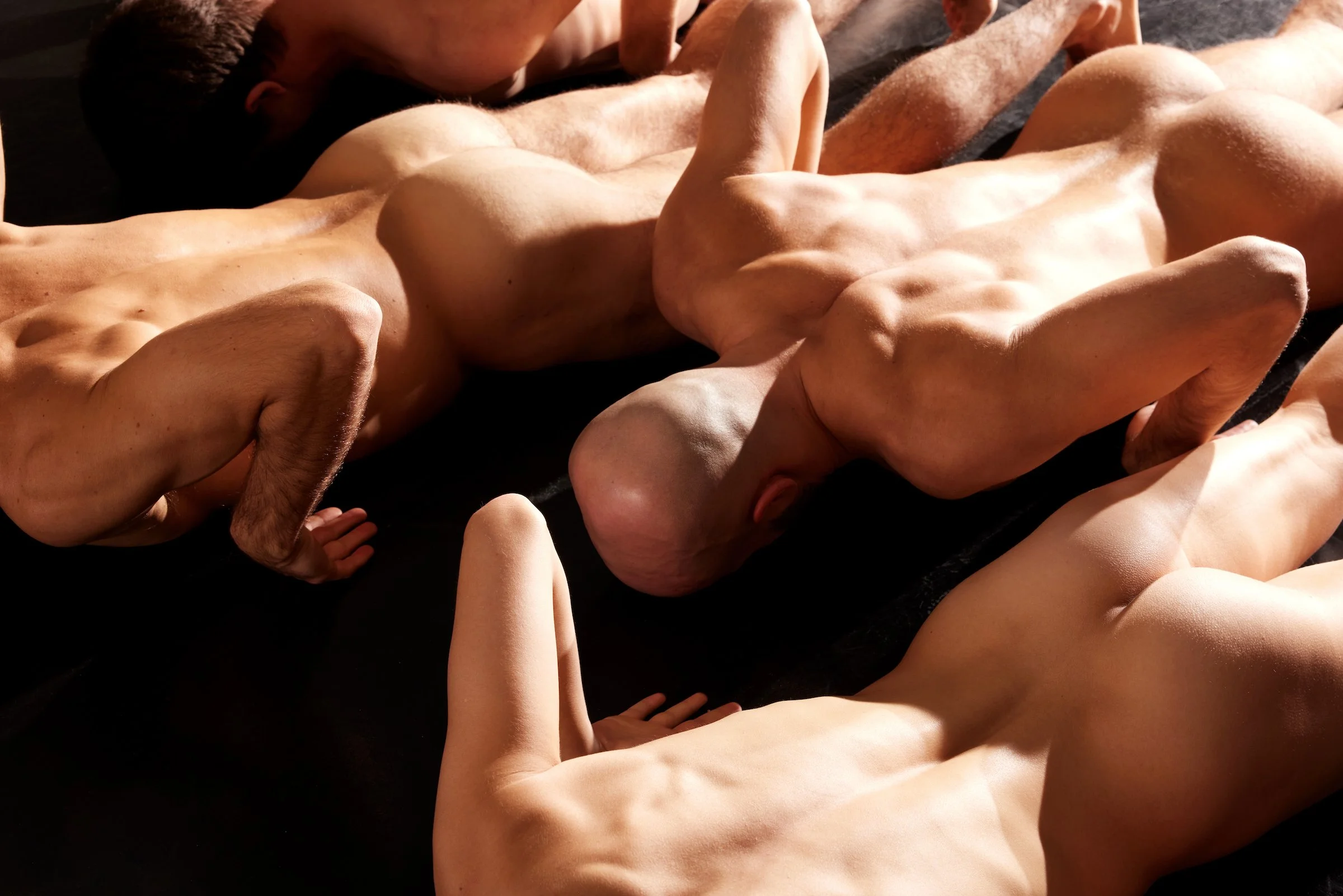
Amour, acide et noix. Photo by Julie Artacho
It’s important to note that Léveillé came out of a time of incredible liberation, risk, and creative energy in the Montreal dance scene—the same one that gave birth to influential forces like La La La Human Steps’s Édouard Lock and Louise Lecavalier, and O Vertigo Dance’s Ginette Laurin.
“I’ve been lucky to be at that moment, at that place,” Léveillé agrees. “I put Montreal in one of the four or five most important cities in dance for over 20 years, from about the mid-’80s.”
The artist, who taught for 22 years at the Université du Québec à Montréal, has seen movements come and go in contemporary dance—including today’s embrace of theatricality, text, sets, and multimedia touches. It says something about dance that his exploration of passion and vulnerability through simple bodies sculpted by light still holds its own in that milieu.
“We read dance with our own experience in life and these experiences that are different from one to the other,” he explains. “So without using words, you can be extremely precise with expressions of movement. But it’s not about saying something very precise: let theatre do that.”
His only hesitation remounting Amour, acide et noix was finding a new foursome of young dancers that could capture the exact essence of the piece he originally created. A search, spanning auditions in Montreal, France, and Italy, was successful, with Lou Amsellem, Marco Arzenton, Marco Curci, and Jimmy Gonzalez stepping into the roles.
And so the work seems poised to live on for years to come after its presentation here with DanceHouse.
As the artist himself reflects: “I know I will die and that piece will keep going as long as there would be people able to remount it or rehearse it.” 

Related Articles