Live piano and raw love, as duo Bobbi Jene Smith and Or Schraiber craft their first premiere at Ballet BC's DUSK
Batsheva Dance Company alumni’s fascinating journey around the globe and onscreen finally brings them to Vancouver with Obsidian
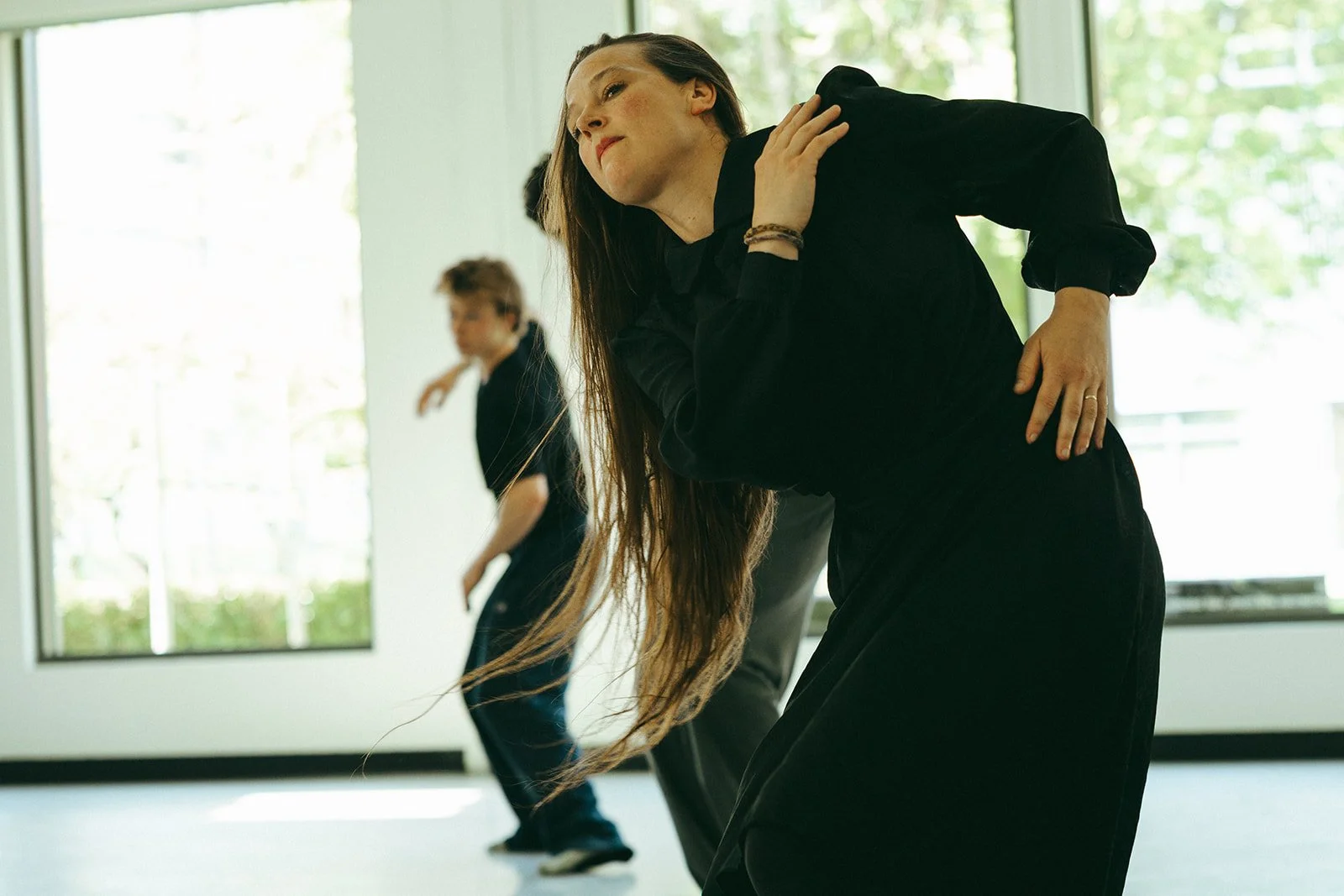
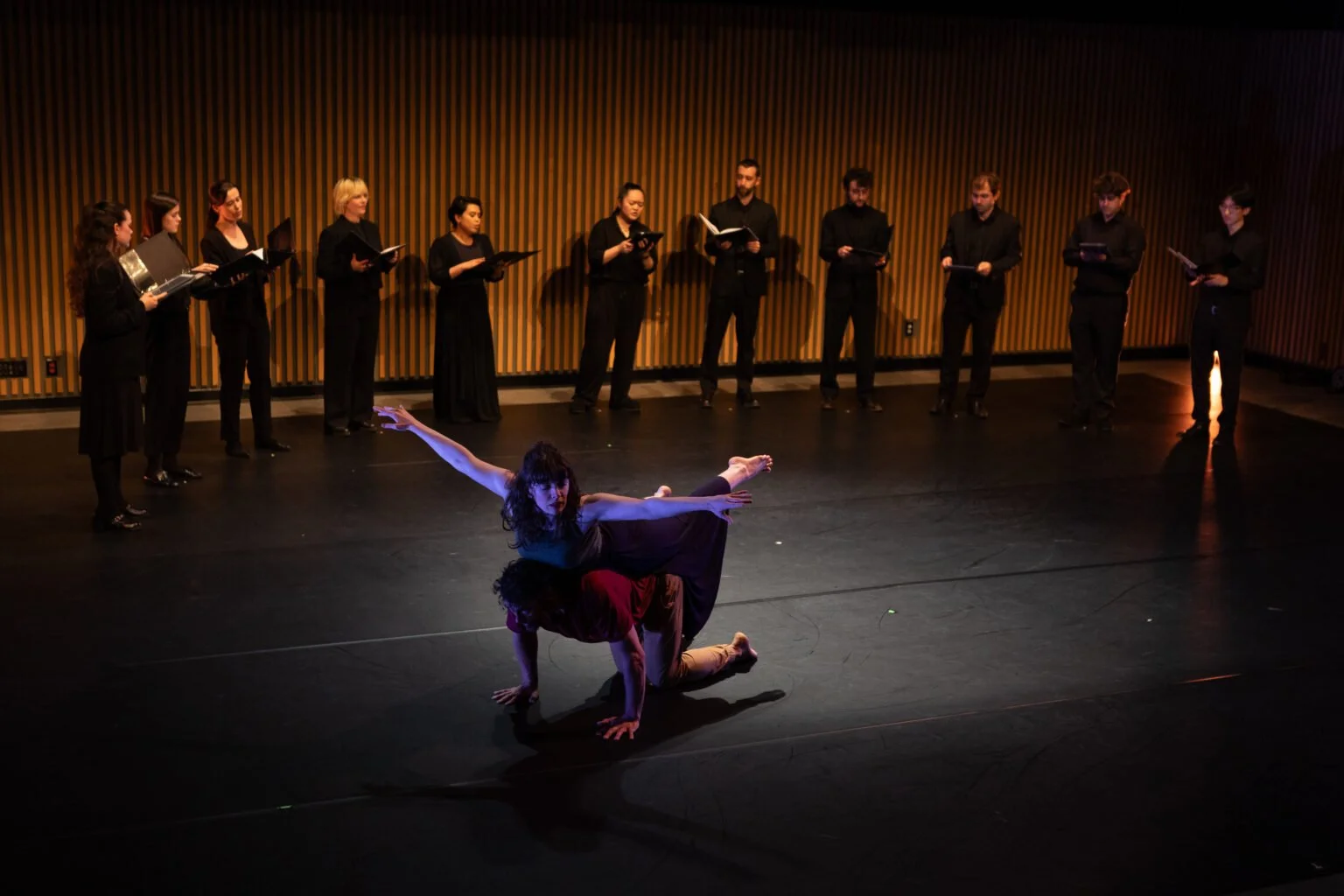
Bobbi Jene Smith works with Ballet BC to rehearse Obsidian. Photo by Millissa Martin

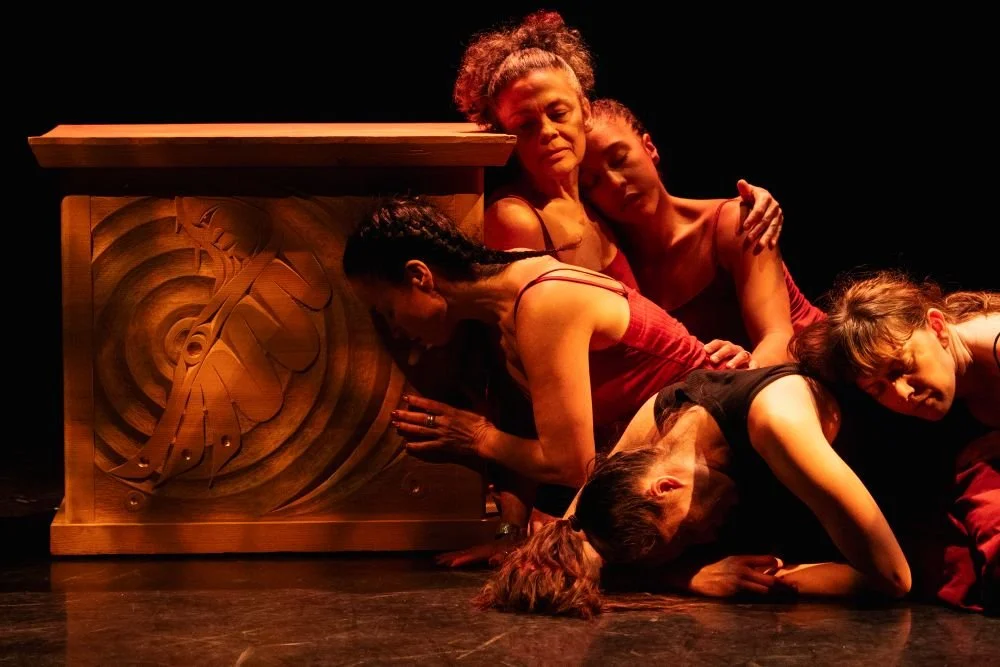
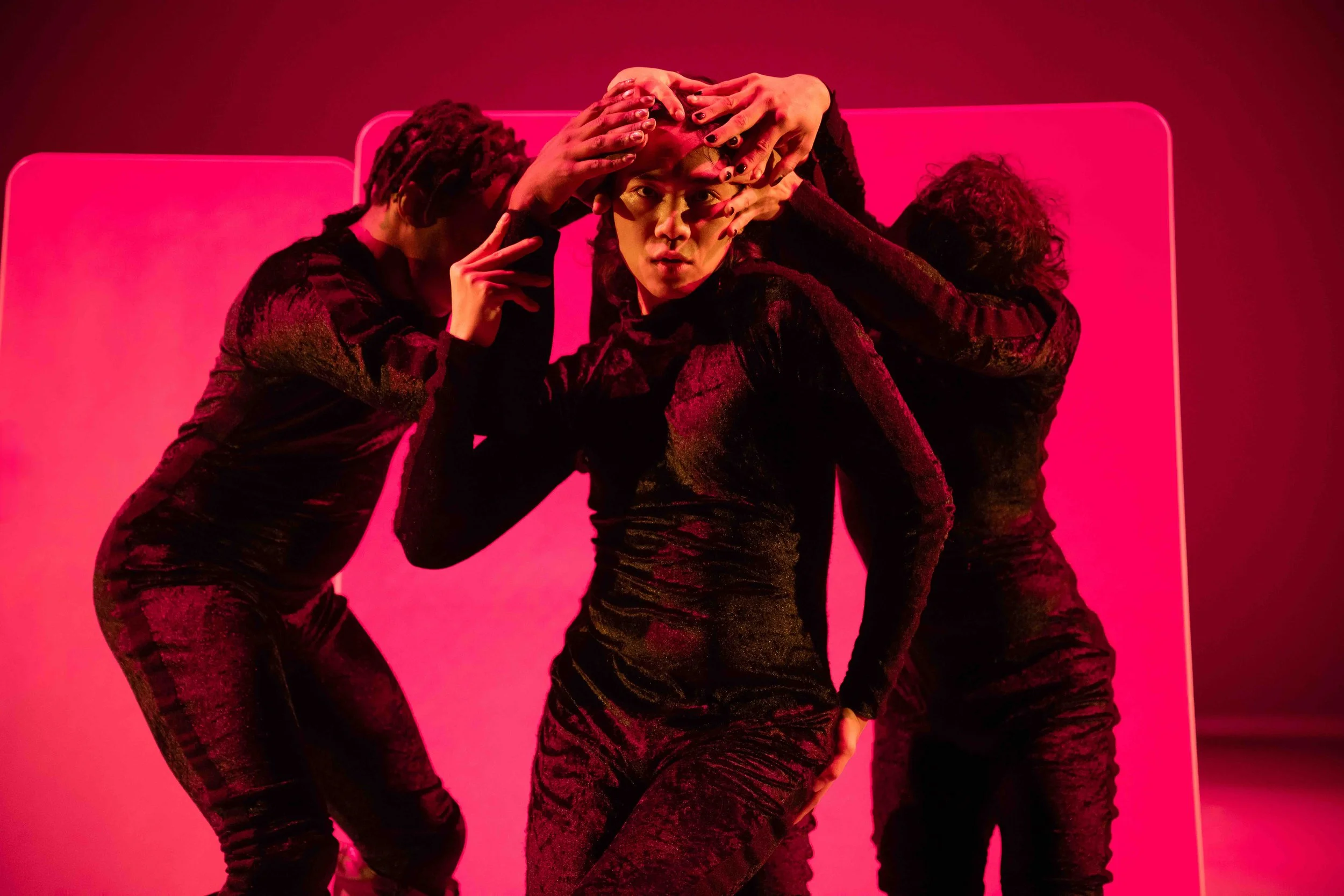
Ballet BC dancers Rae Srivastava and Orlando Harbutt in rehearsals for Obsidian. Photo by Milissa Martin
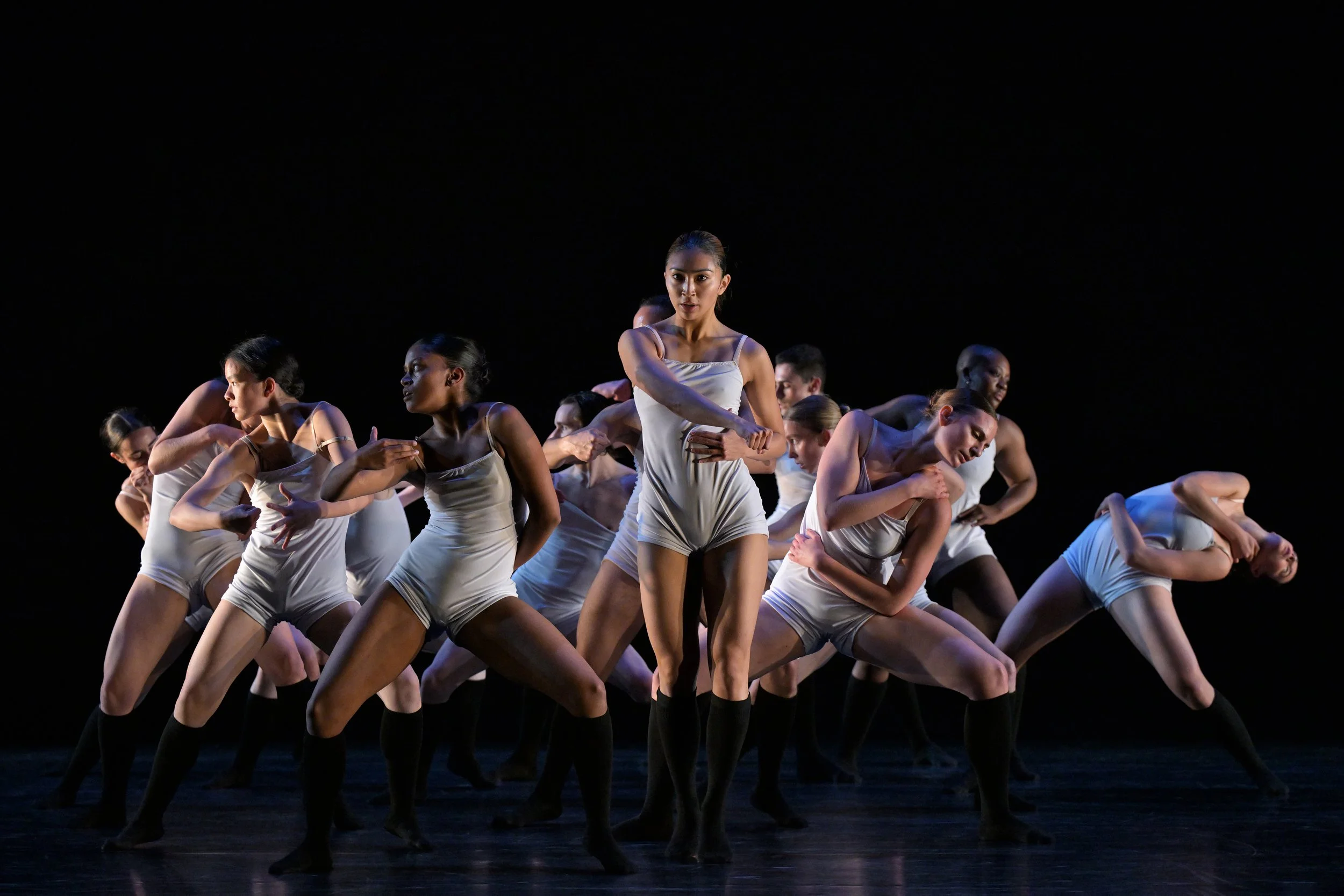
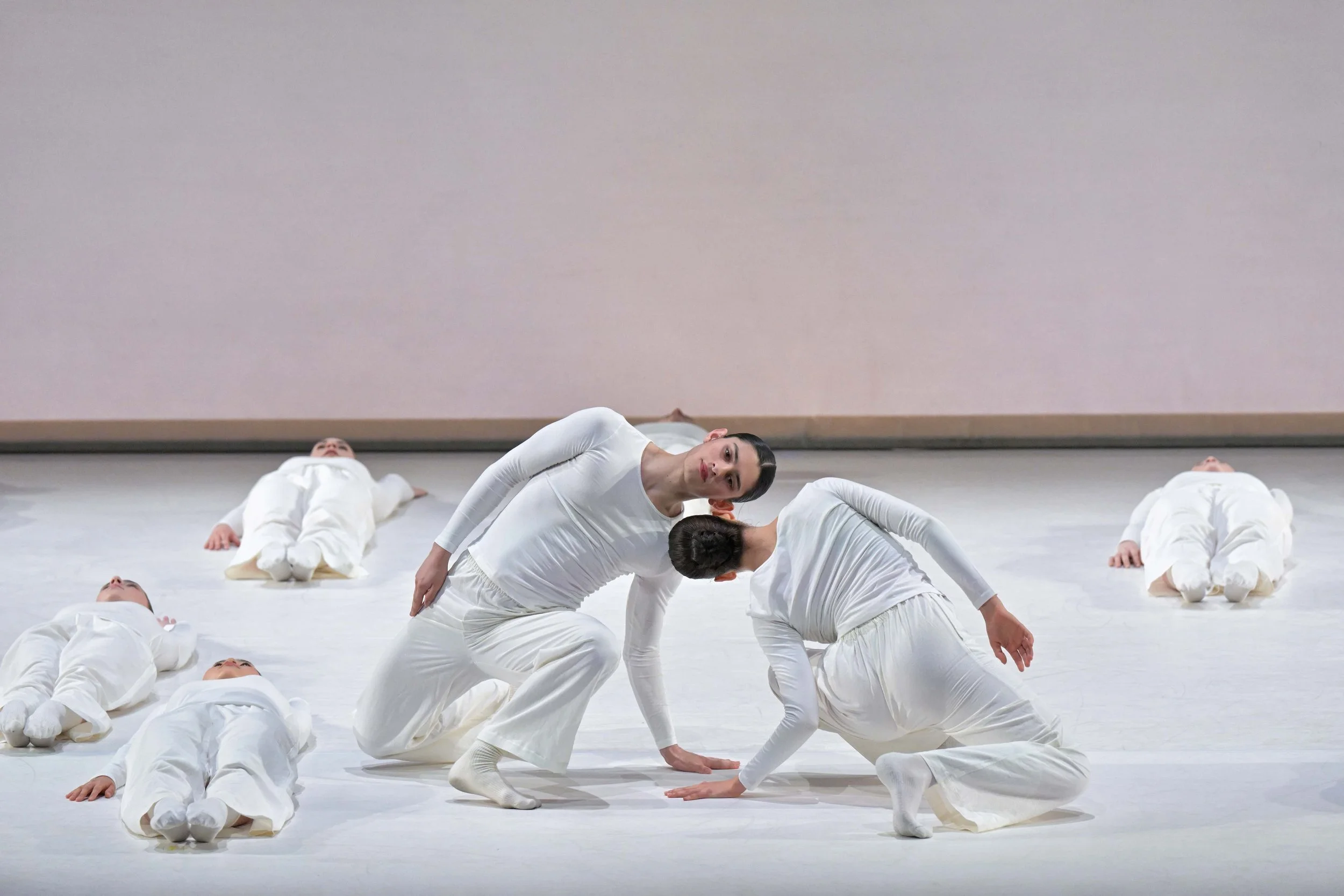
Ballet BC presents DUSK from May 8 to 10 at the Queen Elizabeth Theatre
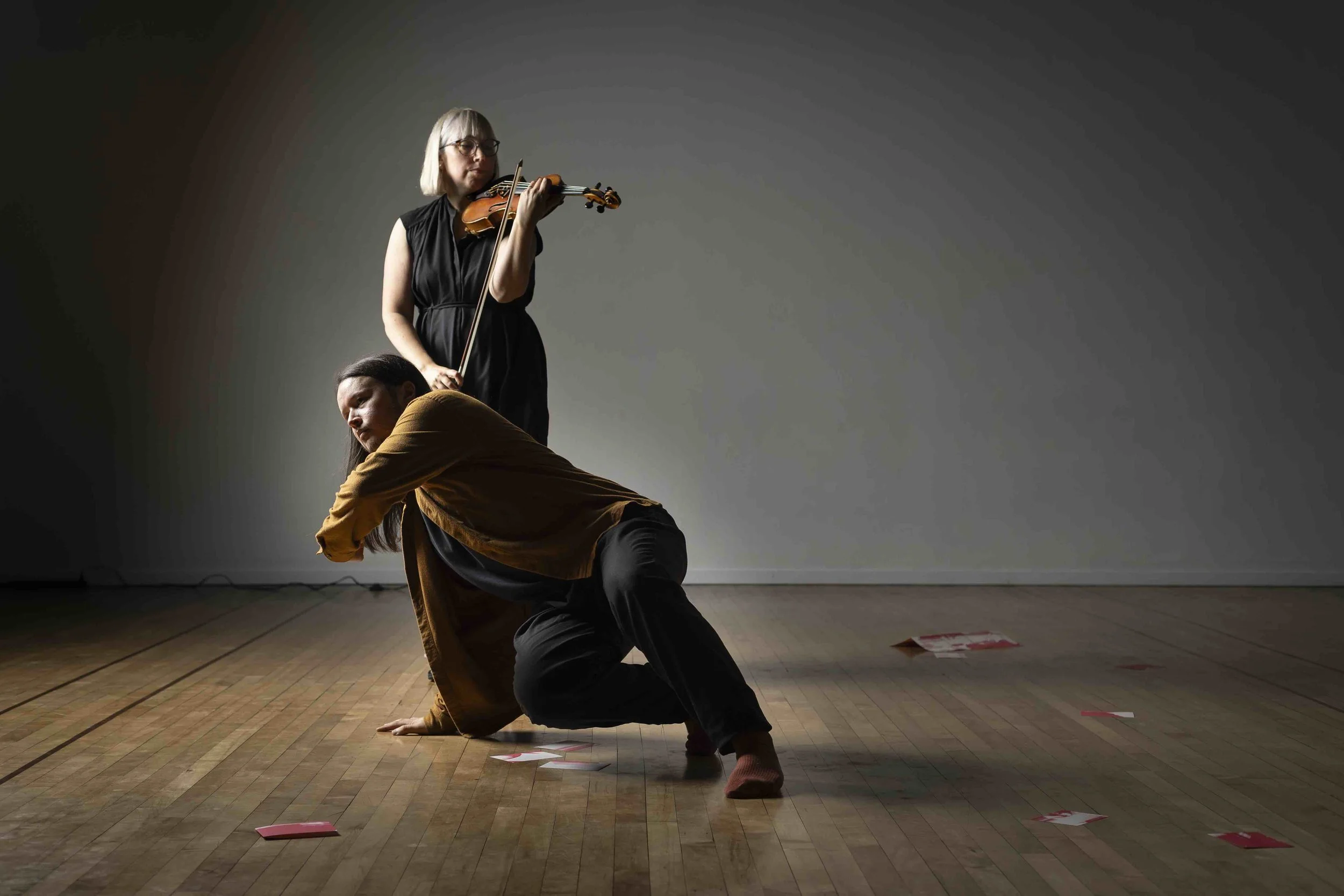
WITH A CAREER SPANNING continents, Hollywood films, and some of the world’s most exciting dance companies, Bobbi Jene Smith has had a fascinating artistic journey. Now the adventure lands her here, at Ballet BC, to create Obsidian, her first commission with her partner in life and art Or Schraiber.
Smith has opened herself up to creative opportunity for as long as she can remember.
“I think I always have followed where the work is—almost blindly, with my heart open,” she reflects. “I need to work. I need to dance. It’s how I breathe. It’s how I communicate with the world, and so I will always follow the work.”
That fact becomes instantly clear when Stir meets the affable artist at the Ballet BC studios on Granville Island.
Born in Iowa’s small Centerville, she trained at New York City’s Juilliard School before leaving at 21 to work with Israel’s renowned Batsheva Dance Company—spending 12 years under the legendary Ohad Naharin, cutting a swath onstage with her iconic long, flailing hair, and falling in love with fellow dancer Schraiber. Elvira Lind’s documentary Bobbi Jene followed her difficult decision to leave Batsheva and return to the U.S. to pursue her own choreography. From there, her adventures have included everything from choreographing the alien-doppelganger finale in the Natalie Portman sci-fi flick Annihilation to dancing with Schraiber in a film made to accompany the 2021 album Green to Gold by the indie band the Antlers.
Now living in California, where they are resident artists at LA Dance Project, Smith and Schraiber are a choreographic duo in demand around the world, creating their intense, impassioned, cinematic works for the likes of the Paris Opera Ballet and the Royal Danish Ballet. On the day we speak, Smith has just returned from the Gothenberg Opera Dance Company, where she and Schraiber premiered I cannot love without trembling. Set to Cassandra Miller’s celebrated viola concerto of the same name, it shared a rapturously received double bill with Frontier, a work by Vancouver superstar Crystal Pite that premiered here at Ballet BC earlier this season.
“I met Crystal for the first time, and it was amazing—it was such an honour to be on the same program as her work,” Smith says. “She is such an inspiration for our generation.”
Smith and Schraiber’s dance-theatre work, with its filmic touches, definitely shares the same spirit as Pite’s creations, though their movement is infused with the gutsy, core-based, explosive impulses of Naharin’s Gaga movement. The American-Israeli partners can now count themselves among the staggering array of internationally celebrated choreographers who have come out of Batsheva—including Hofesh Shechter and Sharon Eyal.
“It’s such a testament to the environment Ohad [Naharin] creates—it’s such fertile ground. Just some of the principles that he insisted upon so beautifully: I cherish them,” Smith says. “It’s made me who I am.”
As long-time dancers themselves, Smith and Schraiber take a unique approach when they enter the studio to create a new piece like Obsidian: they bring few predetermined ideas. Instead, they choose to draw direct inspiration from the performers in the studio.
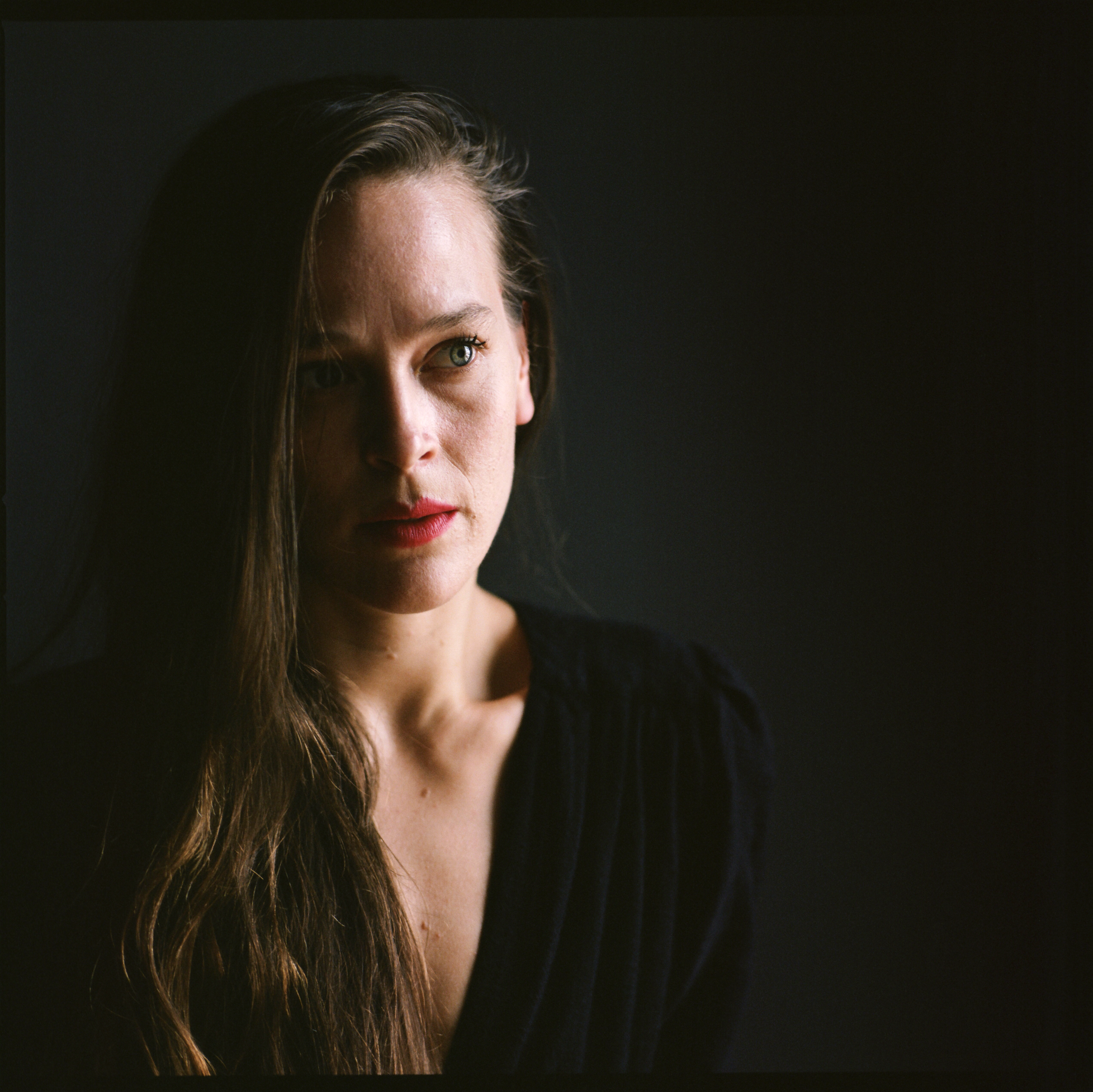
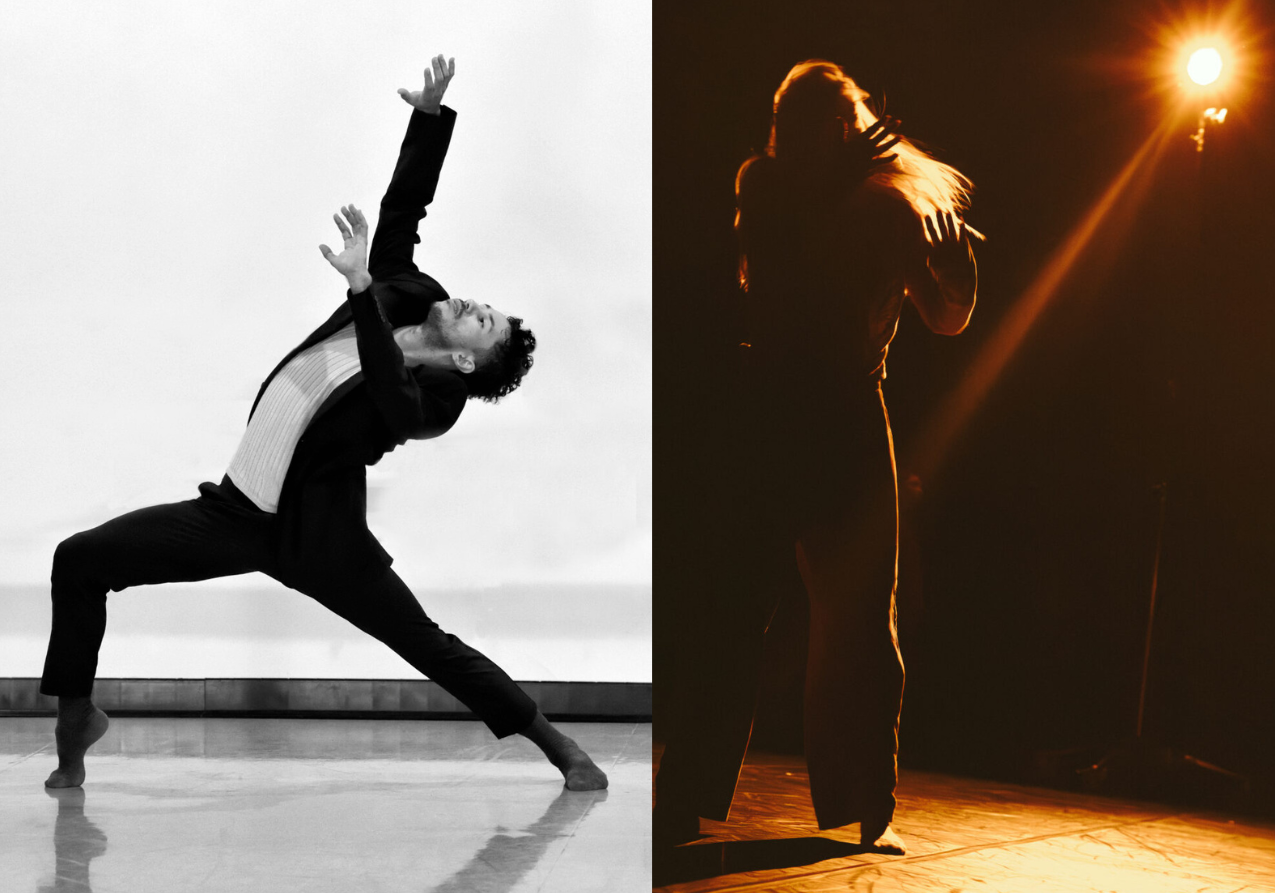
Bobbi Jene Smith. Photo by Maria Baranova
“I think we love people, and I’m constantly amazed and surprised and curious about the people in the room,” Smith explains. “And you know, if it were a different six people that were in that initial process, it would be a completely different work. It is such a team effort: the dancers are contributing ideas, offering up movement, generating stuff, and essentially the piece becomes about what arrives into the room and what’s happening.”
Immediately upon arrival at Ballet BC last August—when work on Obsidian began—she and her partner could sense a lot “happening.”
“Their sense of physicality and their humour and their openness and generosity—we were blown away by how generous they were in the room. They’re just, like, open books ready to give and to receive and be curious. And also just very exciting performers!”
In the case of Obsidian, the duo arrived with music, curious to see if it would speak to the group. Their choice was a rarely played anthology of 1920s piano works by Greek-Armenian spiritual leader George Gurdjieff and Ukraine-born composer Thomas de Hartmann—sacred songs intended for dance.
“These pieces have been with Or and I for quite a while and we’ve been dancing to them, and playing with them, in the studio for many years,” Smith reveals. “It isn’t Eastern, it isn’t Western, so it makes you ask, ‘What are these songs? What is this?’ And I find that kind of intriguing—it invites this unspoken, nonverbal way of communicating through dance. There’s so much poetry and romance in it, and so many different textures and colours, and yet it still feels extremely simple.”
Vancouver pianist Perri Lo, an artist who has long accompanied Ballet BC during morning classes, will perform the works onstage with the dancers. She had to search over months to find sheet music for the little-known compositions, some of which she describes as driven by folk rhythms, others as more fluid and improvised-sounding.
“They have put the piano downstage with the dancers, not off to the side and not in the pit,” Lo tells Stir in a separate interview. “It feels like there’s a vulnerability. It’s not even like a stage: it’s like we’re having a conversation about raw emotions and feelings in the moment, and there’s this intensity. There are these moments in between songs when we lock eyes and connect—where we acknowledge we created this piece together and the next song starts. This work is a means for myself and the dancers to communicate beyond strict choreography.
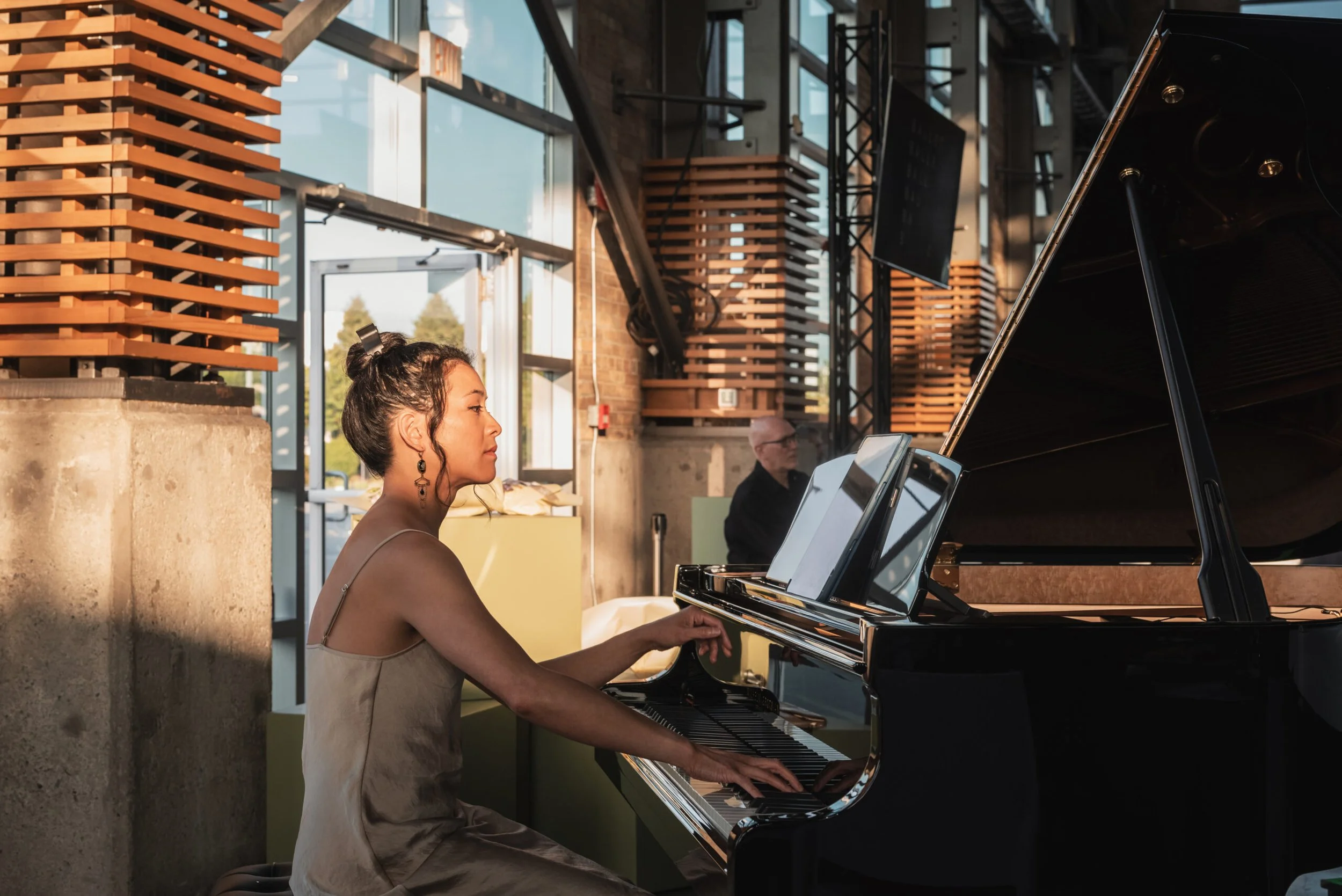
Pianist Perri Lo.
“And it feels really special to be part of that—very different than playing for the class,” Lo adds. “In class, everything I’m playing is really for them, or ‘How can this help this jump or stretch this moment?’ For this, I’ve had to go with some of my own musical instinct and know that they are listening as much as I am watching.”
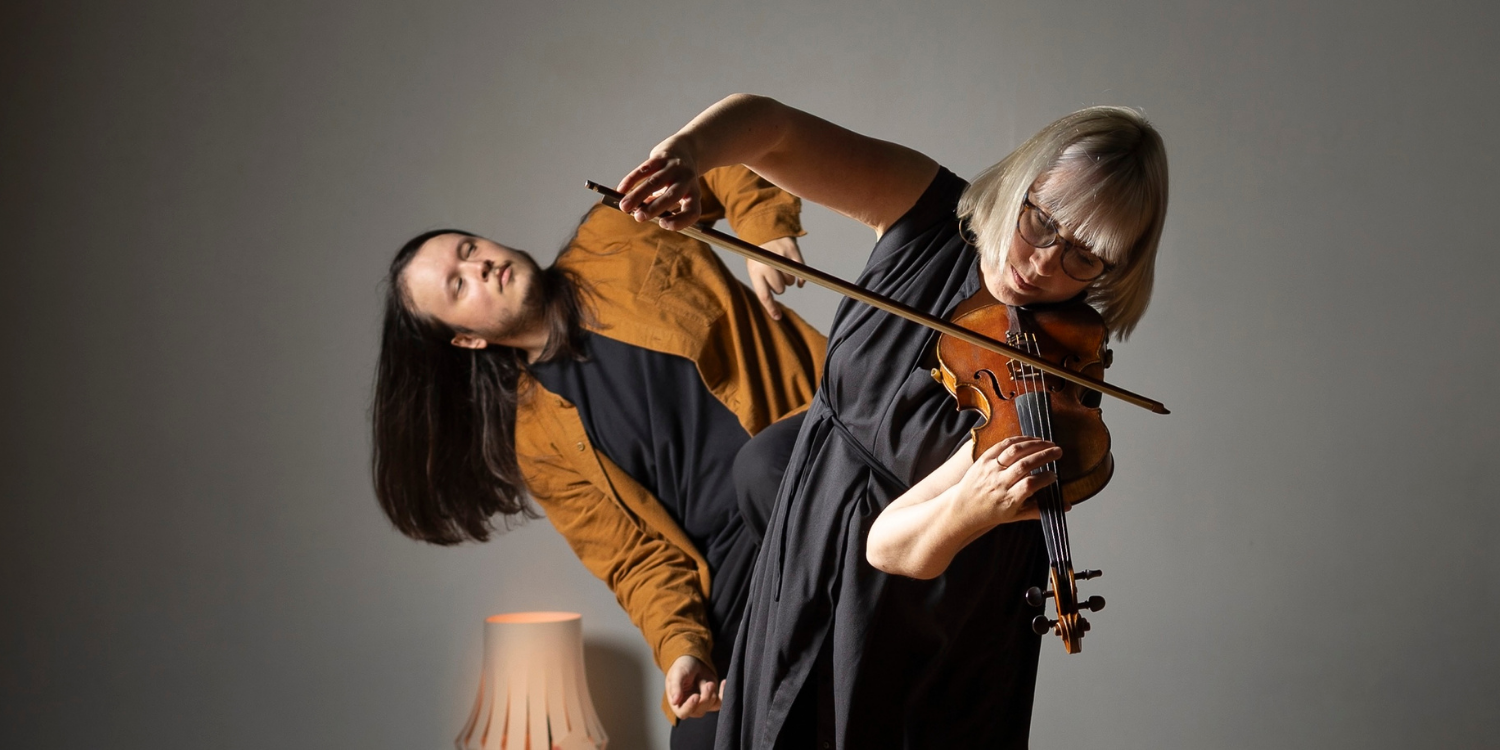
Live music is a recurring element in Smith and Or’s dance works—and often integral to their creations.
“It’s a gift,” Smith asserts. “The way you listen to music live is different. Perri tries to interpret the music, and the dancers are trying to interpret her interpretation, and I love that.”
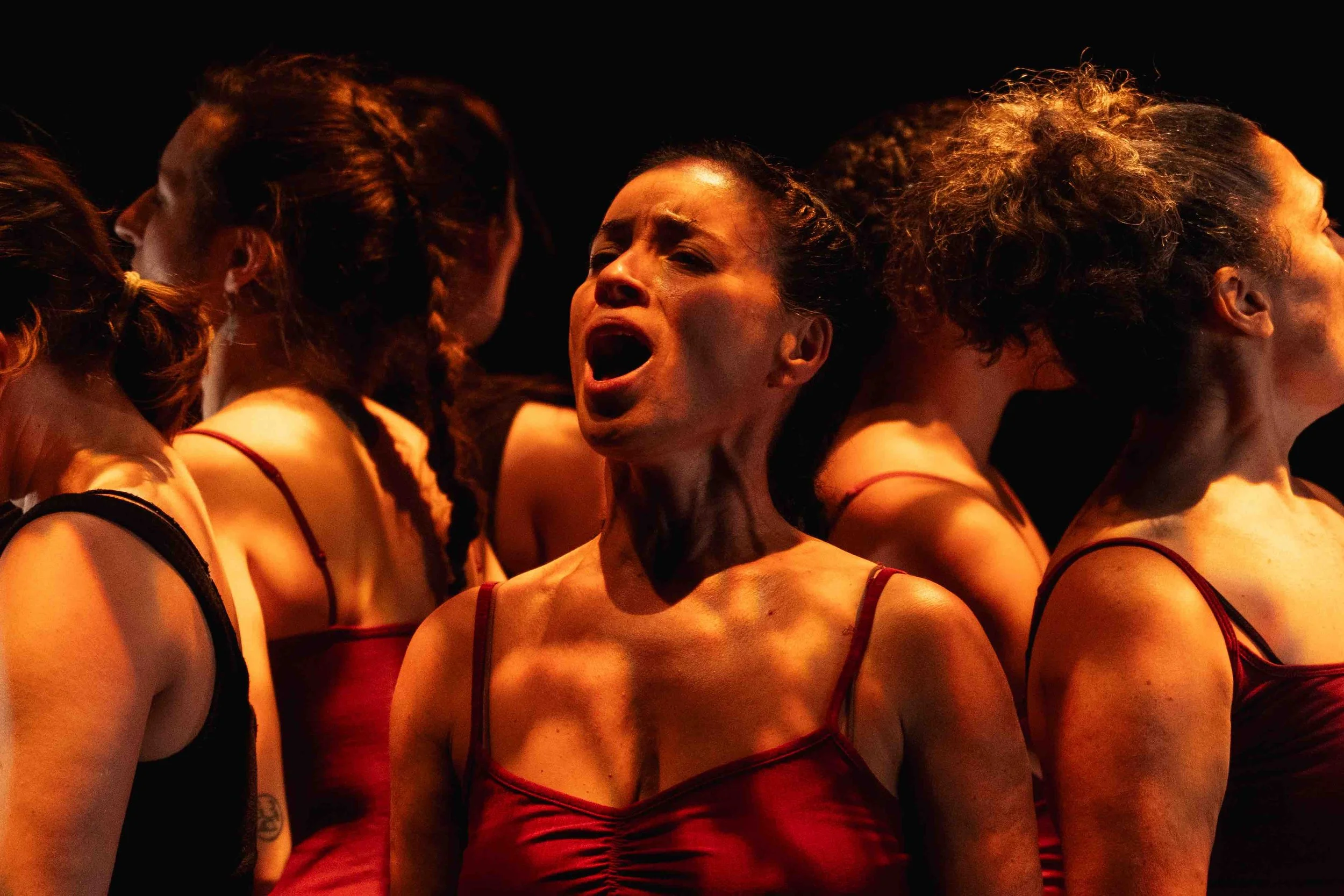
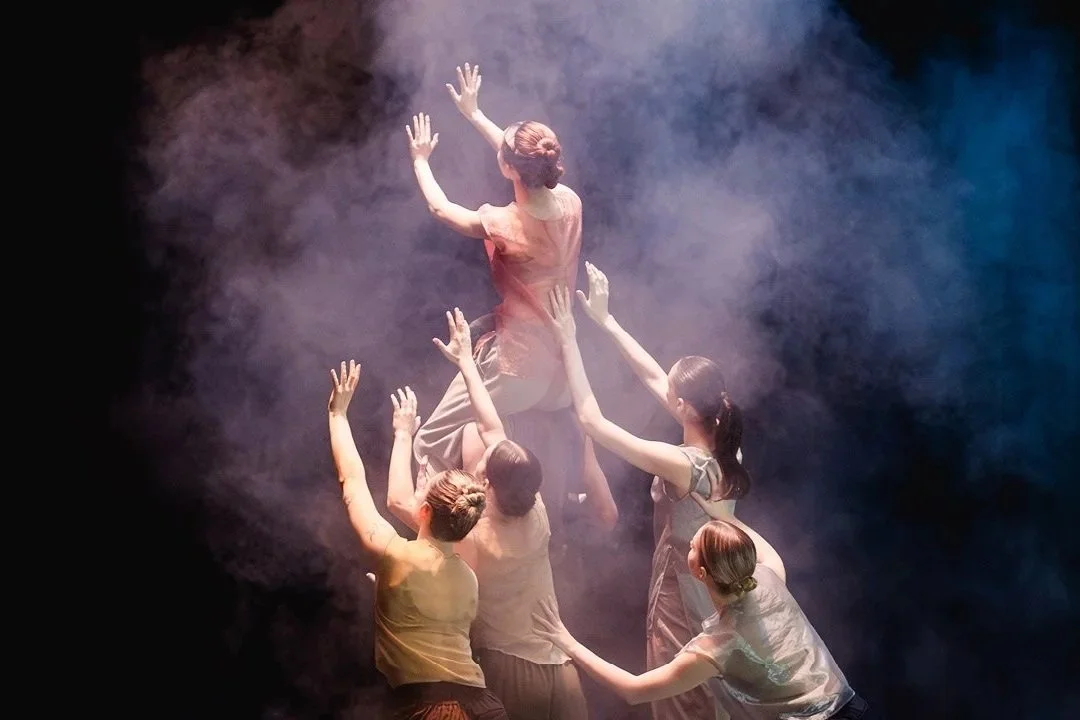
What will Obsidian, which shares the mixed DUSK program with Marco Goecke’s Woke Up Blind and a premiere by artistic director Medhi Walerski, be about? Like so much of the work that Smith and Schraiber have presented onscreen and around the globe, it roots out the agony, yearning, and ecstasy of human connection with an honesty so raw it’s riveting.
“The most simple thing to say is it’s about love. But it’s not simple at all. We all know that,” Smith reflects. “In the end, it is about love and about us trying to make sense of it and our need for it and our loss of it—and I mean that romantically and also not romantically.”
If Smith has any advice for audiences, it’s to open themselves to the experience—as much as she has opened herself to the world of dance over a career that has achieved so much already, and portends so much to come.
“I want to tell people: you know how to watch this. Trust yourself,” Smith assures. “You know what gestures mean to you—how we are able to nonverbally communicate with each other. How we look each other in the eyes, how we shake hands—these gestures we all know. I hope they can trust themselves to let go.” 

Related Articles