Vancouver-born Forgiveness draws standing O’s at Stratford Festival
Local creative team, including playwright-actor Hiro Kanagawa, drives ambitious production about Japanese internment
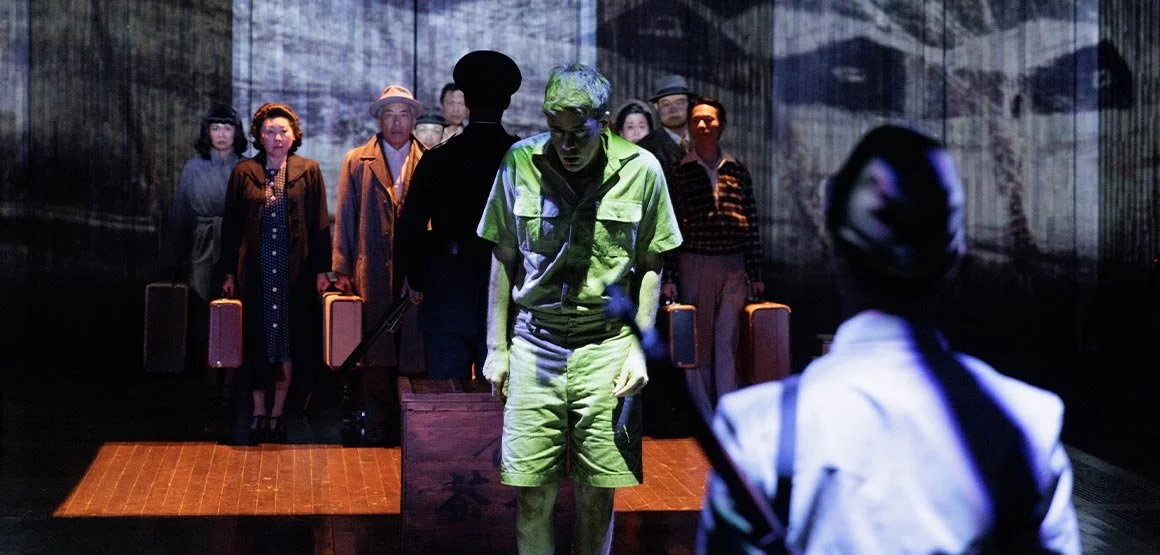
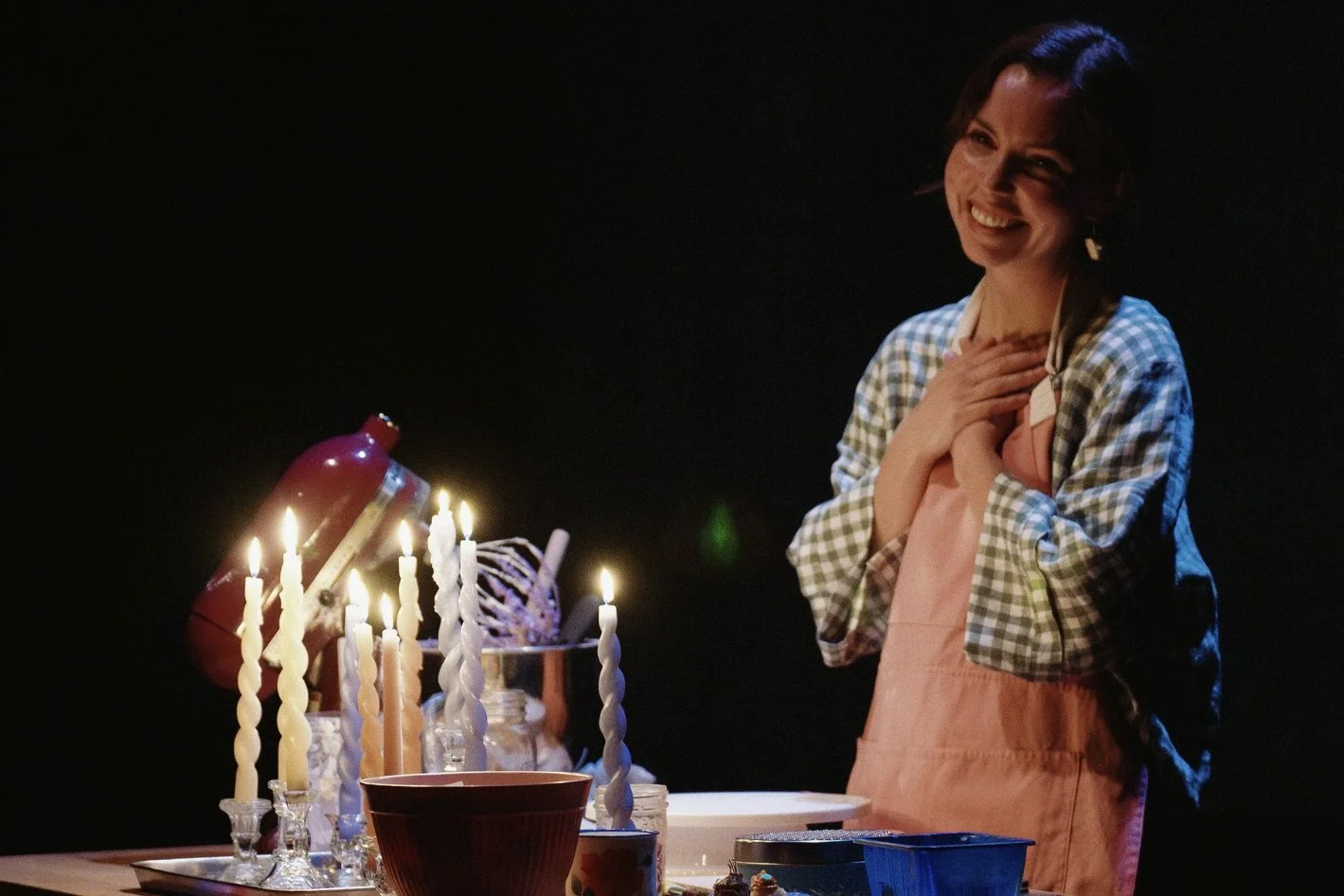
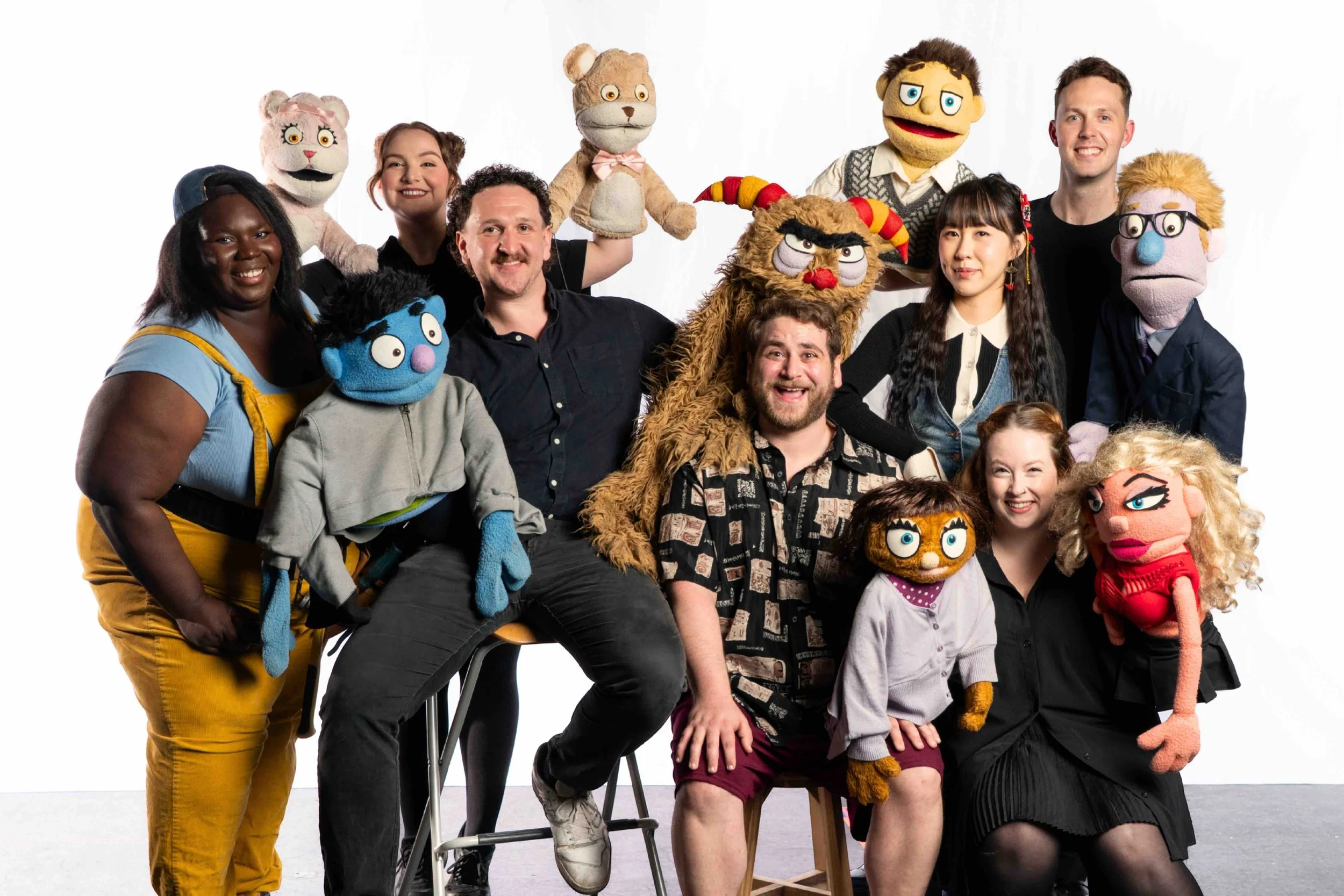
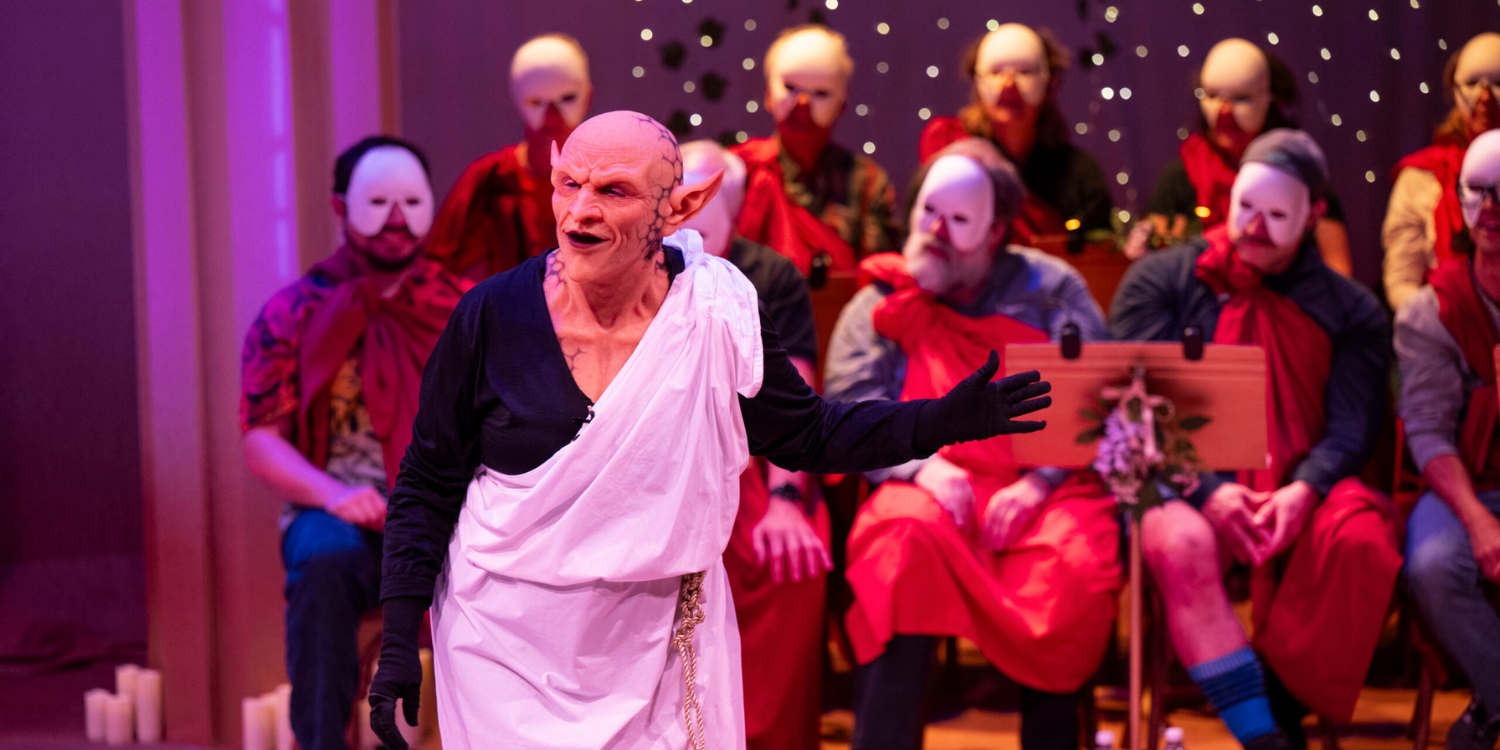
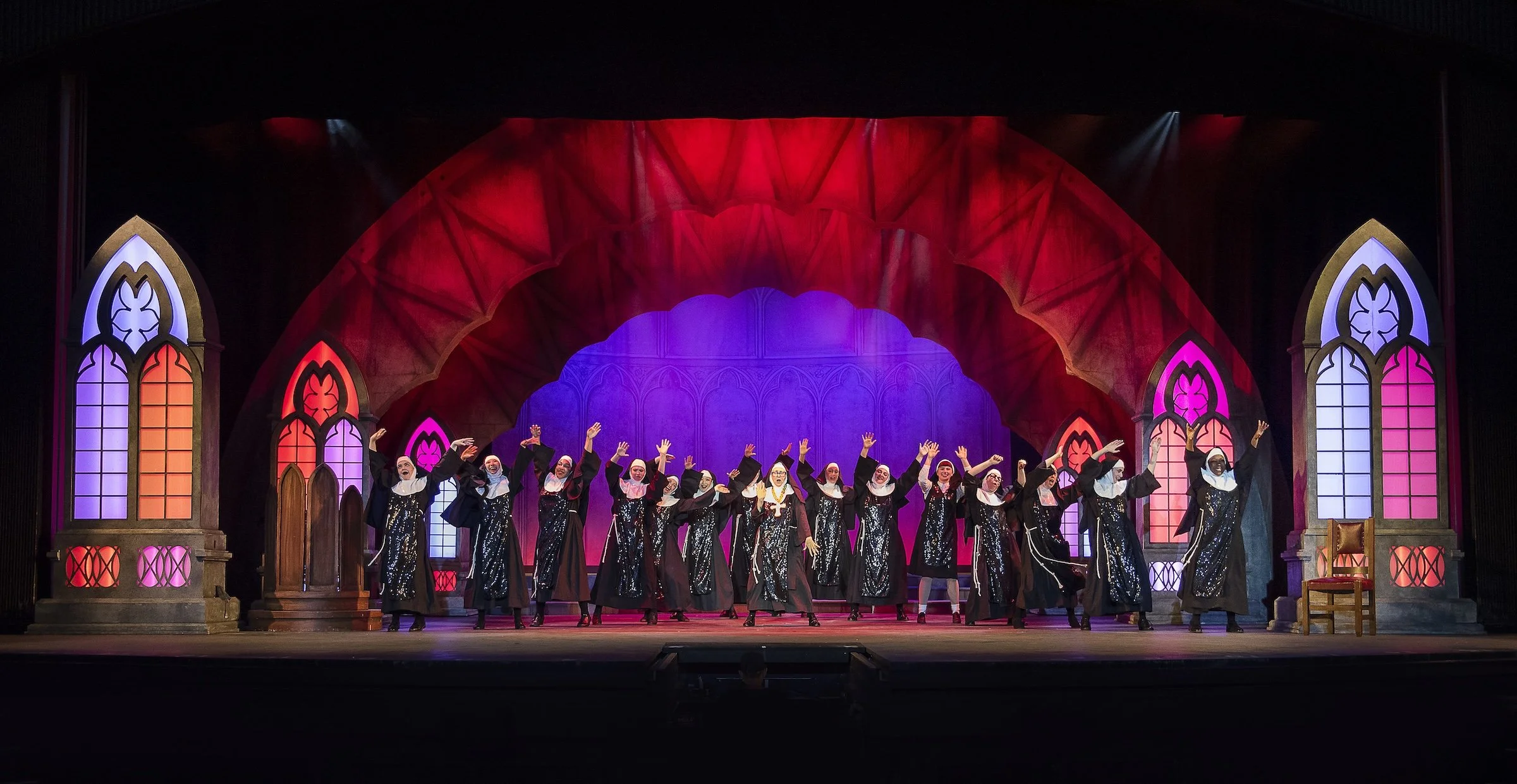
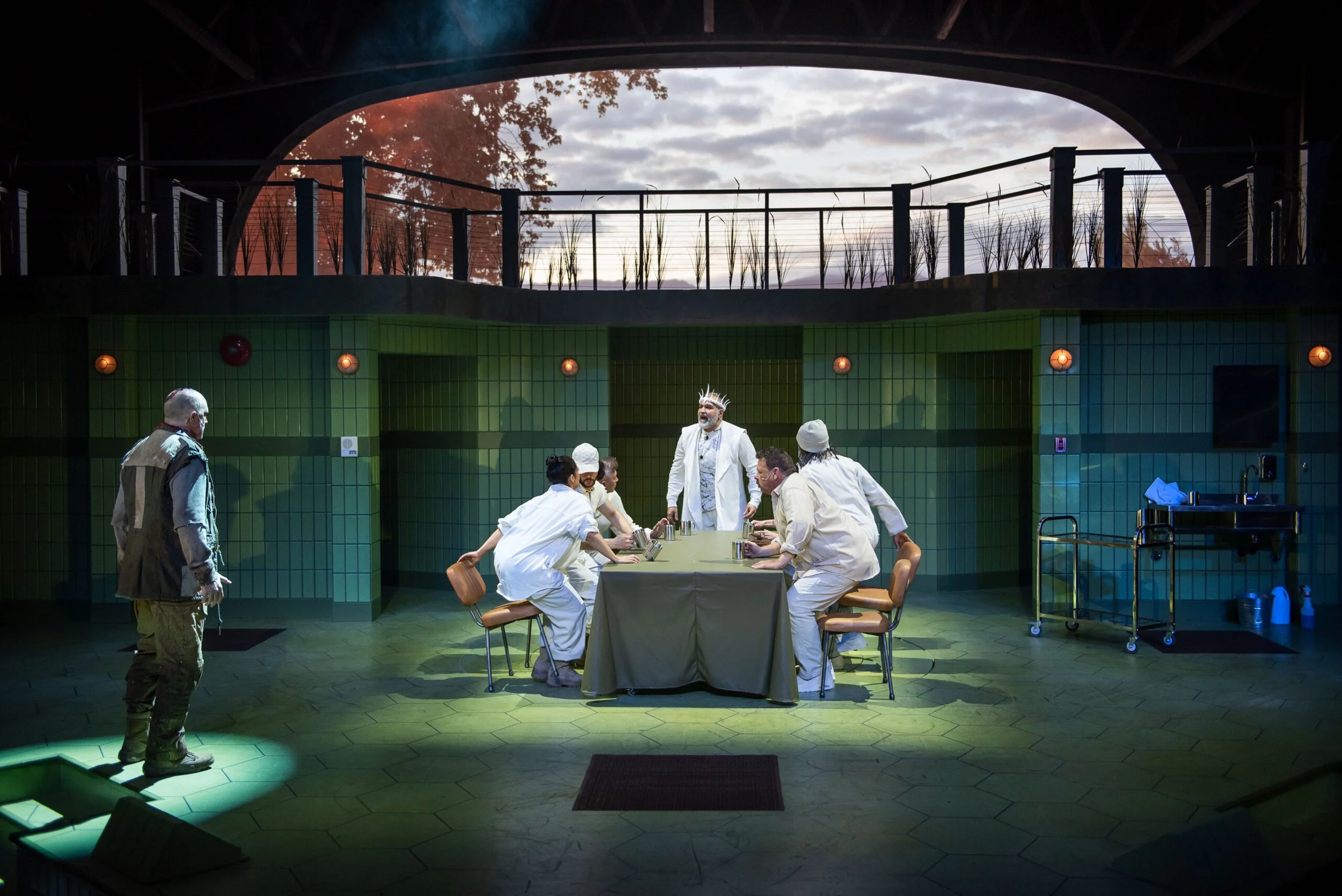
Jeff Lillico (centre), with members of the company of Forgiveness at the Stratford Festival. Photo by David Hou
VANCOUVER THEATRE IS having a moment at the Stratford Festival in Ontario.
Forgiveness, a show that debuted at the Arts Club Theatre in a coproduction with Theatre Calgary in 2023, is receiving standing ovations at the renowned Shakespeare fest, rubbing shoulders with Macbeth and As You Like It on the program. It’s being staged at the tony, 2022-built Tom Patterson Theatre—a structure that undulates along the Avon River in the historic town.
Much of the Vancouver creative team is the same, from Hiro Kanagawa, who adapted Mark Sakamoto’s bestselling memoir and plays two roles in the work, to memorable actors Yoshie Bancroft and Manami Hara, to Cindy Mochizuki, whose animated illustrations join Sammy Chien’s (Chimerik 似不像) projections.
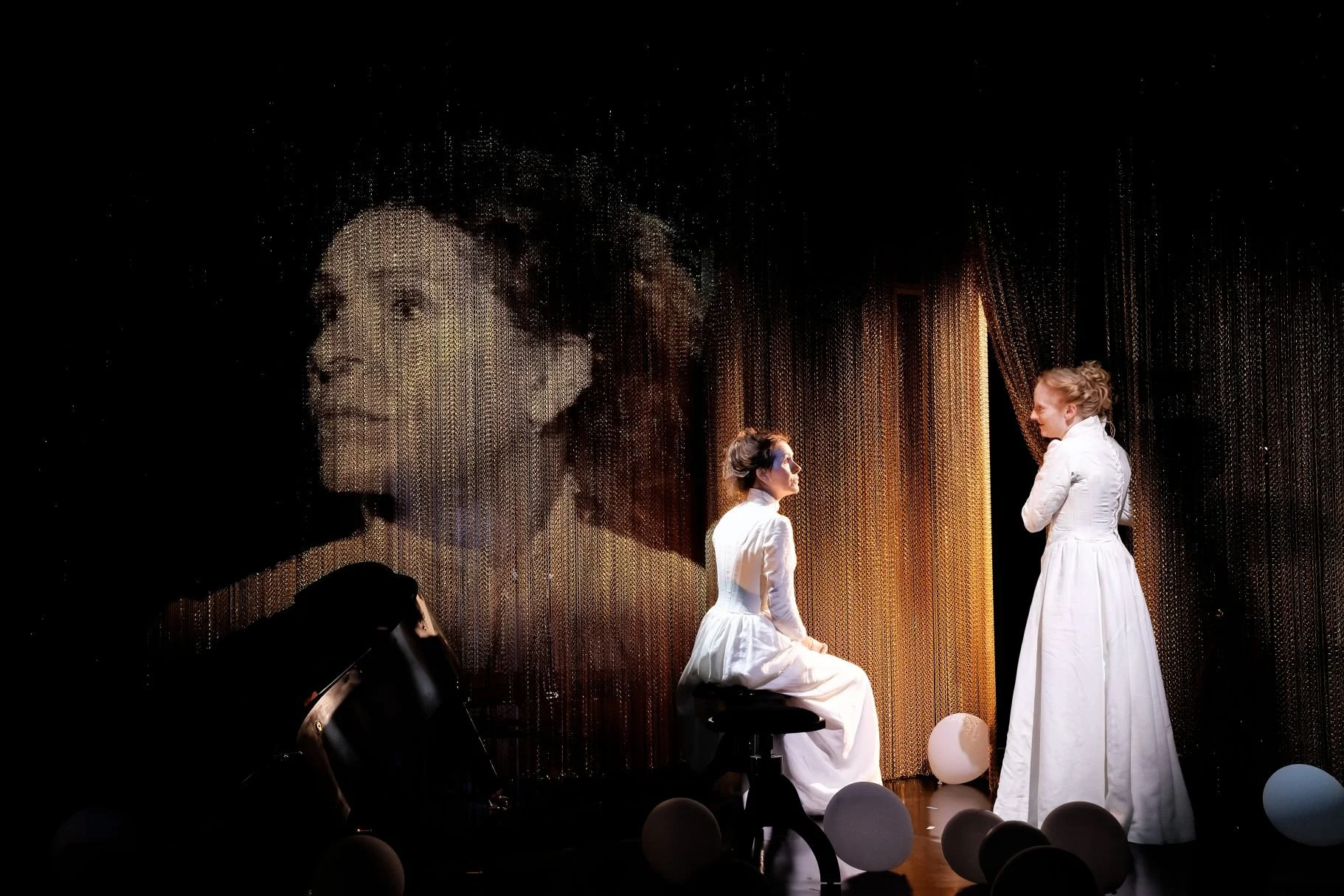
The sprawling, ambitious piece has evolved significantly, moving to a thrust stage scattered with antique chairs and tables that shape-shift to multitask through countless eras and scenes. Projections of photographs, illustrations, telegram type, and other imagery effectively cover the end walls and two sides of the theatre. As in the original, they’re integral to the way the show, under Albertan Stafford Arima’s direction, moves fluidly back and forth through time.
The true story of Mitsue (Bancroft), whose Japanese-Canadian family is interned, is juxtaposed with that of Ralph (the excellent Jeff Lillico), a white Canadian soldier who endures years as a POW in Japan during the Second World War. We jump back and forth between their time growing up in the 1930s, the trauma of their war experiences, and the 1960s, when—proving truth can be stranger than fiction—their children end up dating and marrying (and becoming the parents of Mark Sakamoto, who we meet in the book, but not in this stage rendition).
Projections hurl us into the stormy sea as Ralph is transported by force from Hong Kong to Japan; floorboards open to become the rows of the sugarbeet farm where Mitsue’s family toils; and mushroom clouds bloom on the walls while leaders justify atomic bombs over the soundscape. The West End, Richmond canneries, and Powell Street all get namechecked in this story, which also spans the Magdalen Islands and Medicine Hat.
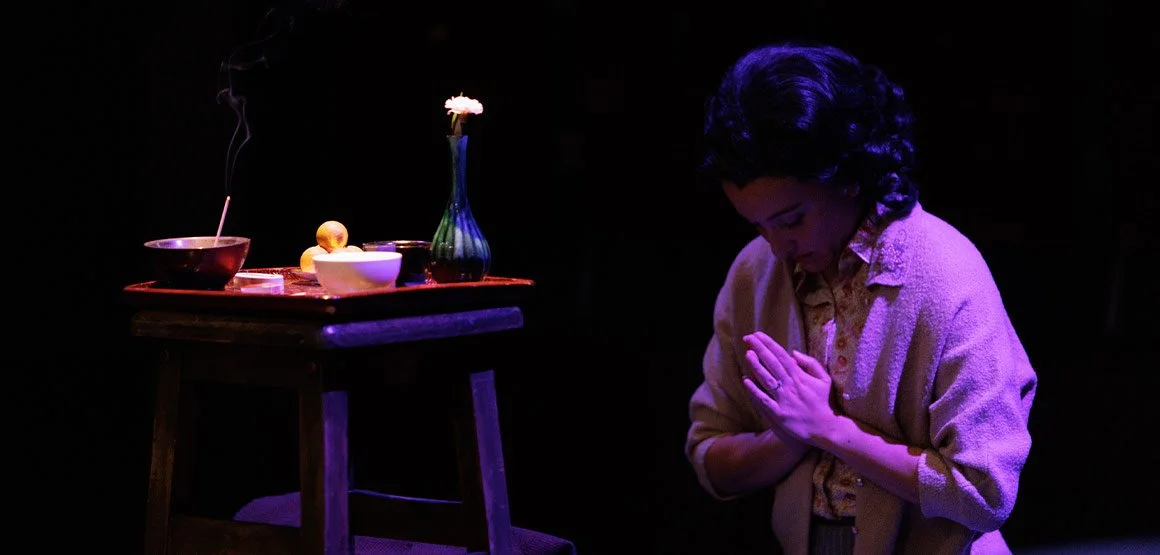
Yoshie Bancroft in Forgiveness. Photo by David Hou
Forgiveness is at its best in the poetic ways it makes time and place fluid. At one point, rows of Japanese-Canadians with suitcases line up for internment while Ralph endures abuse as a POW. (The show’s development came care of an Arts Club Silver Commission and the National Arts Centre’s National Creation Fund, which helped bring its significant technical ambitions to life.)
Forgiveness breaks new ground, bringing a dark and under-recognized chapter of Canadian history to the forefront of the theatre festival. And because it’s at Stratford, the production is garnering international attention too: in his roundup review of all the shows at the summer fest, New York Times critic Jesse Green last week called the work “gripping”, praising “the characters’ willingness to see silent solidarity in their shared sense of injury. Pain recognizes pain, if you let it.”
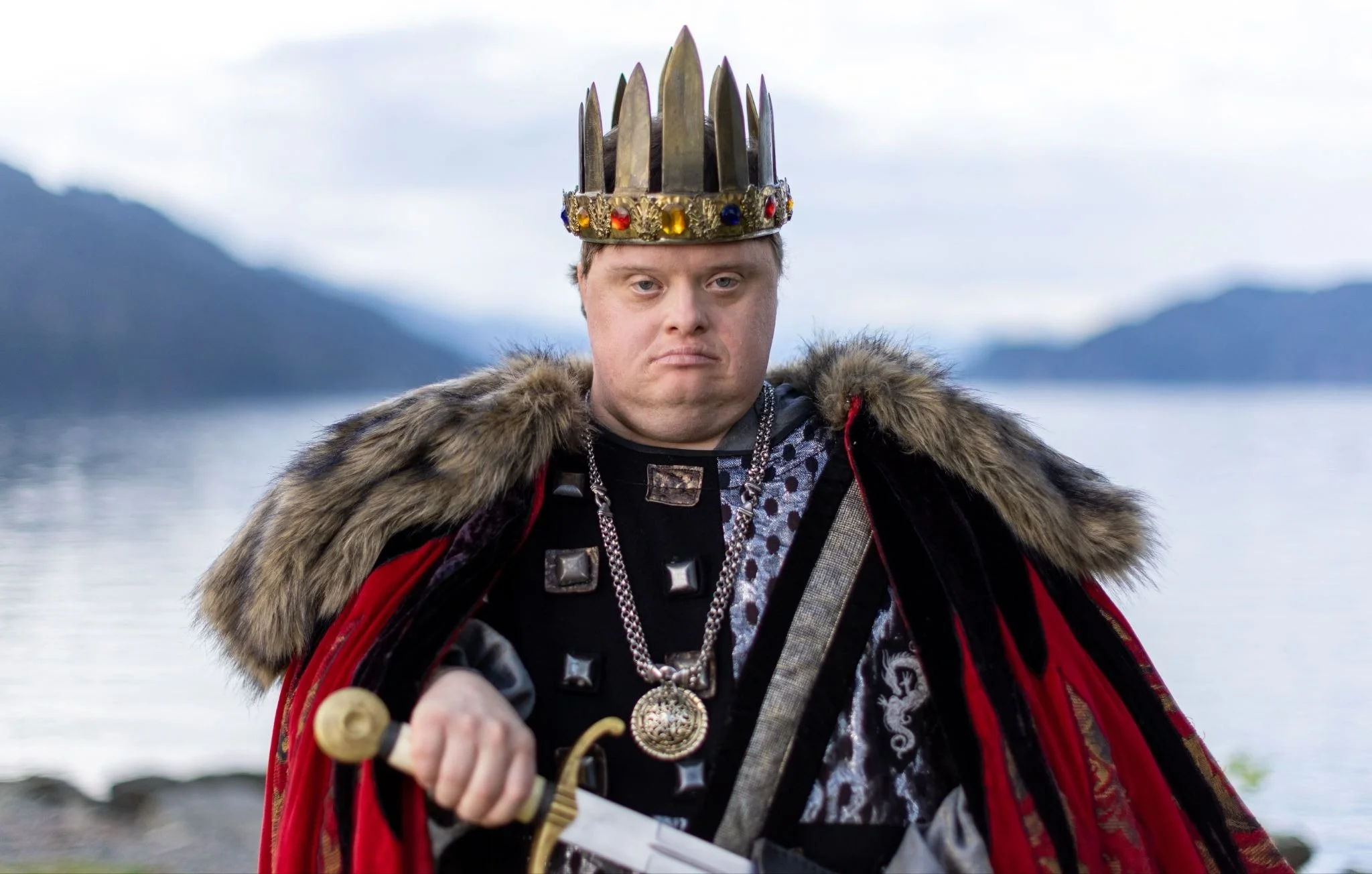
Notably, in the original Arts Club production here, Jovanni Sy played the dual role of Mitsue’s father and a morally conflicted Japanese POW camp commandant, which Kanagawa tackles in Stratford. Sy doesn’t appear in this new rendition, but the former Gateway Theatre artistic director, along with Leanne Brodie, drew buzz at Stratford last year with another bold, culture-bridging work: Salesman in China. The longtime B.C. artists’ script chronicled playwright Arthur Miller’s historic visit to China to direct a production Death of a Salesman with the Beijing People’s Art Theatre.
Both historical works are significant not only for the way they centre Asian Canadian voices on a major stage, but for exploring connection amid these brutally divided times. As Mitsue and Ralph tell us at the beginning of Act 2 in Forgiveness’s most moving, fourth-wall-breaking moment, reaching across time and space to light incense: “We’ll get through this together.” 
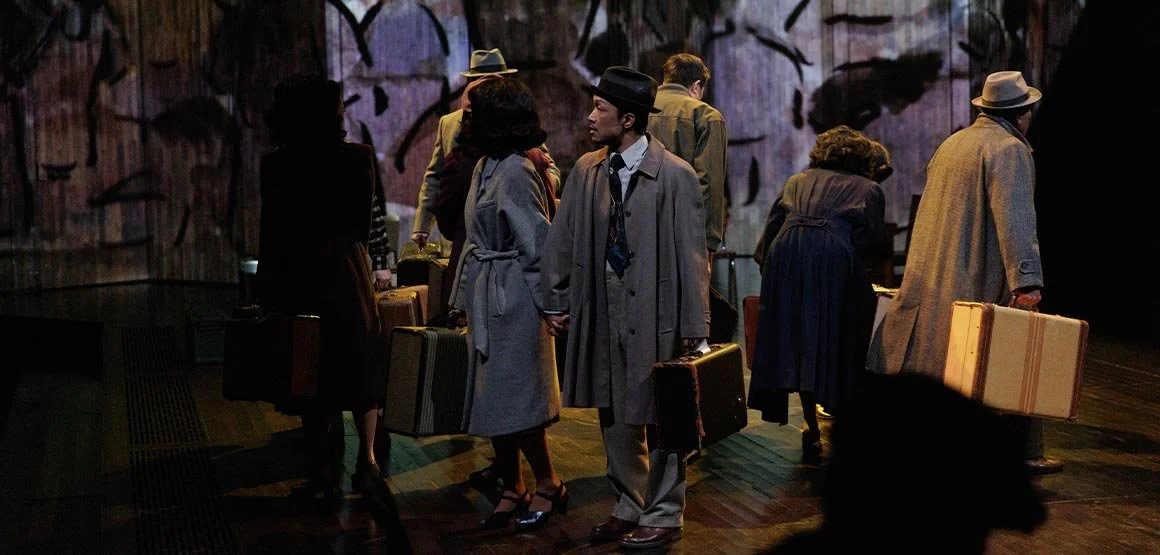
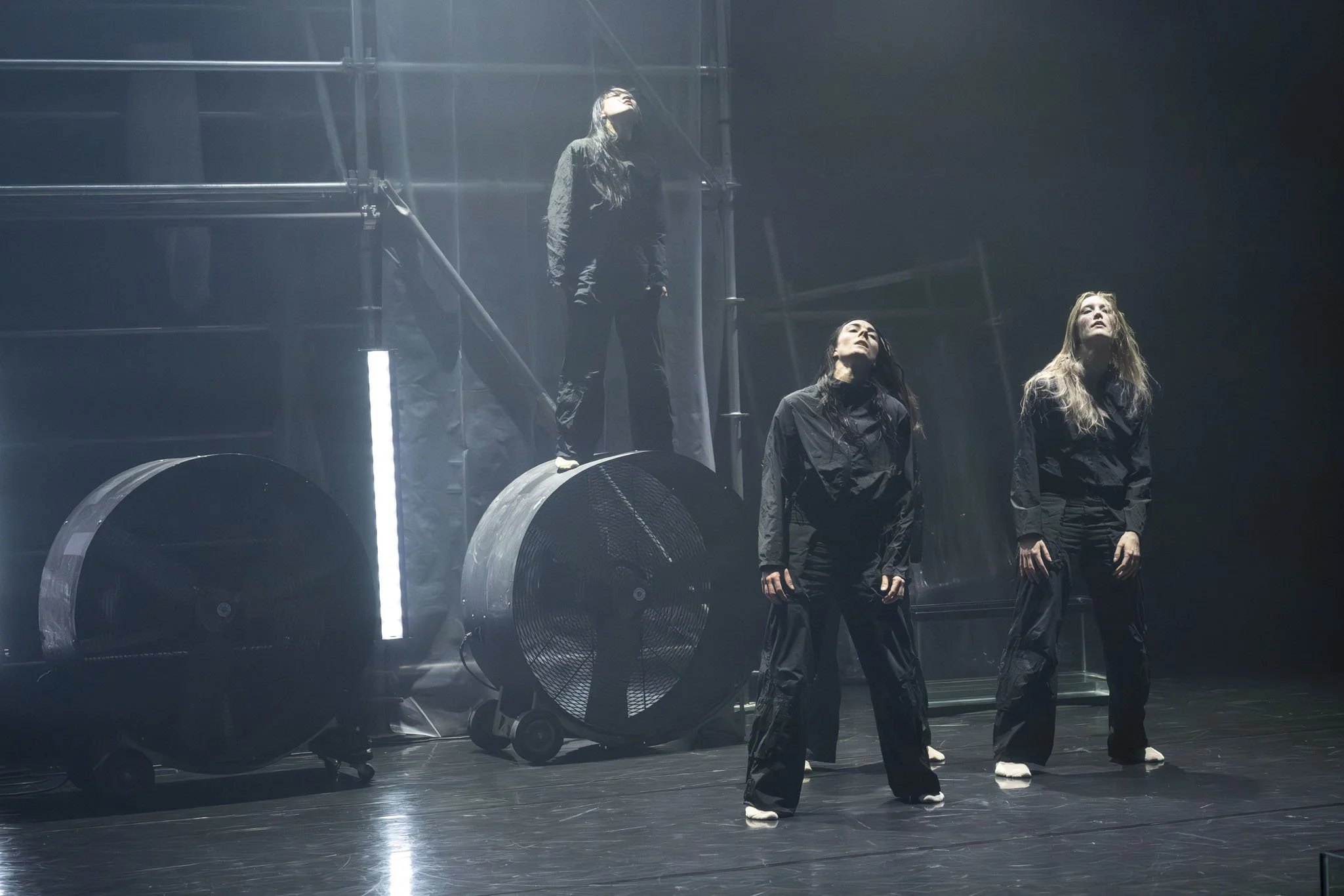
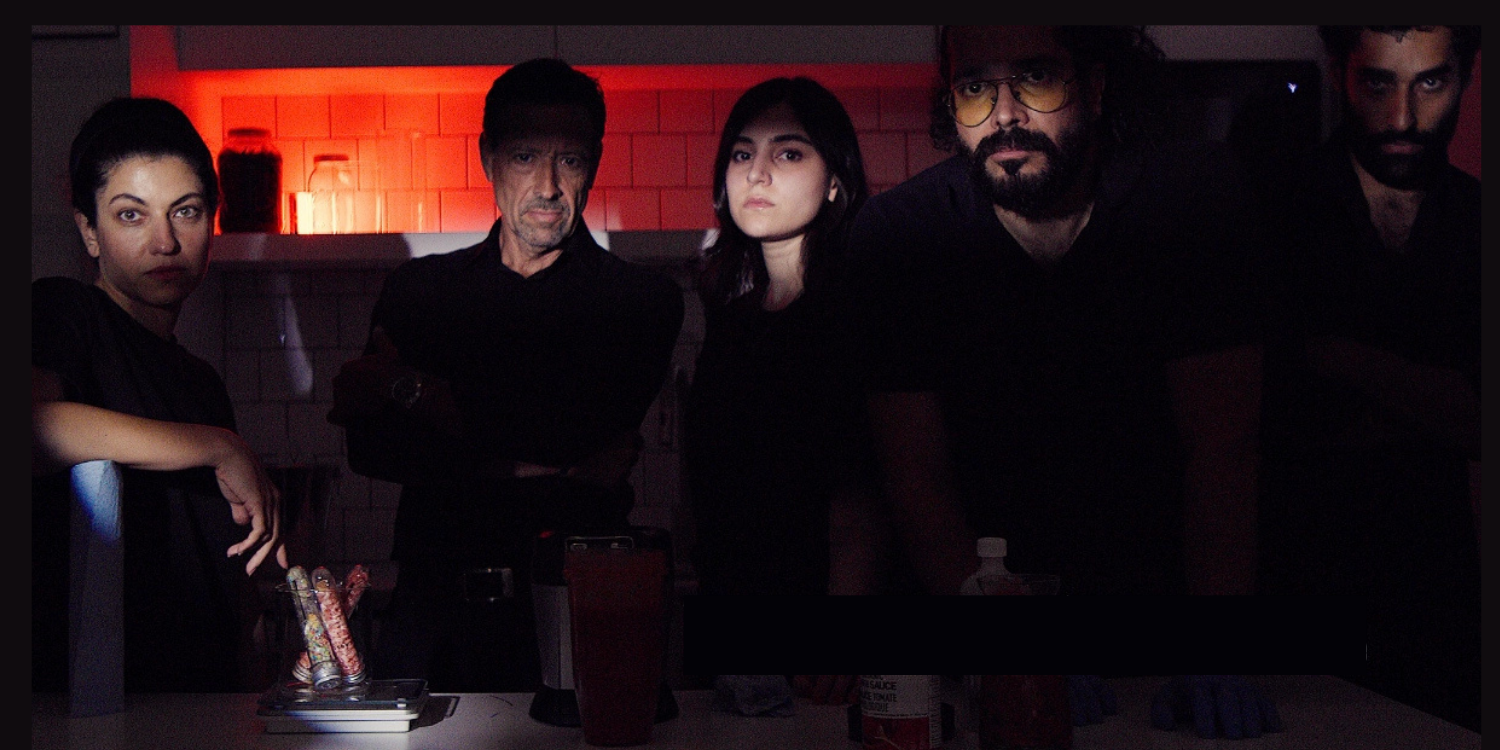
Forgiveness. Photo by David Hou

Related Articles