Dance review: Opening Edge programs generate big intensity in a small space
Repetition, endurance, and ritual from Noam Gagnon, Lesley Telford, Rebecca Margolick, and Tushrik Fredericks
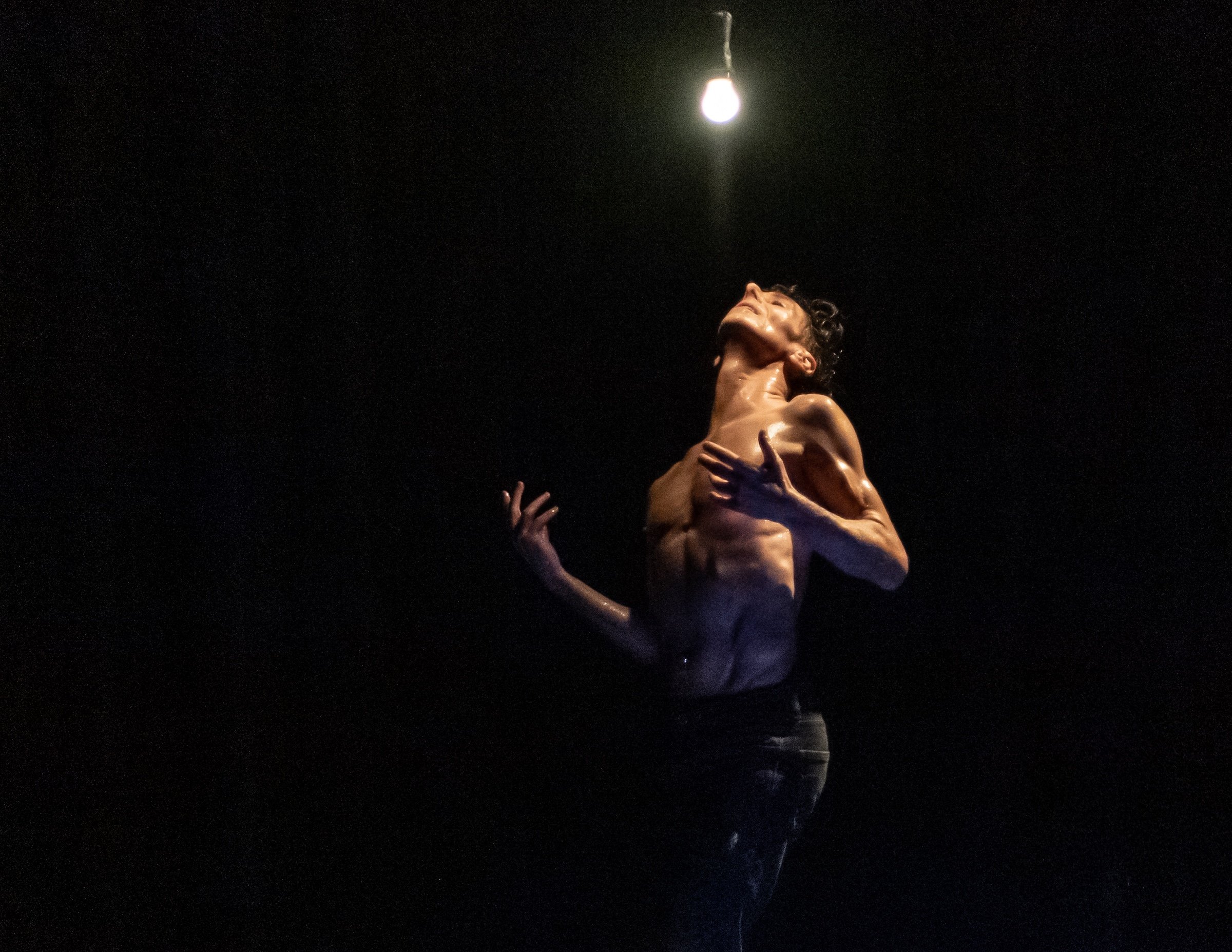
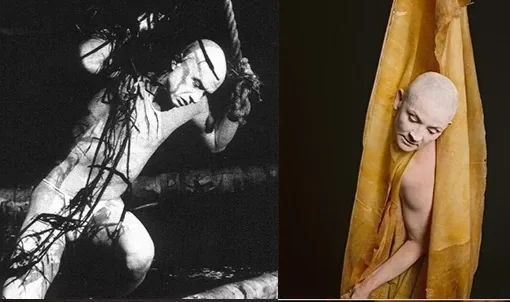
Noam Gagnon’s being. Photo by Erik Zenstroom
Dancing on the Edge presents Edge 1 and Edge 2 again on June 13 at the Firehall Arts Centre. The festival continues to June 21
THERE HAS BEEN A parade of impressive, large-scale shows on Vancouver dance stages this season—from full-company spectacles at Ballet BC to high-concept DanceHouse works that have transported us from Buenos Aires milongas (Social Tango) to elaborate vintage cruiseship cabins (Diptych).
Dancing on the Edge’s two opening mixed programs ran in stark contrast to those all-in productions—but they were a reminder that dance doesn’t have to be big to make an impact. In a series of striking solos and duets, seen at close range in the intimate Firehall Arts Centre, several magnetic dancers showed how intense a small work can be.
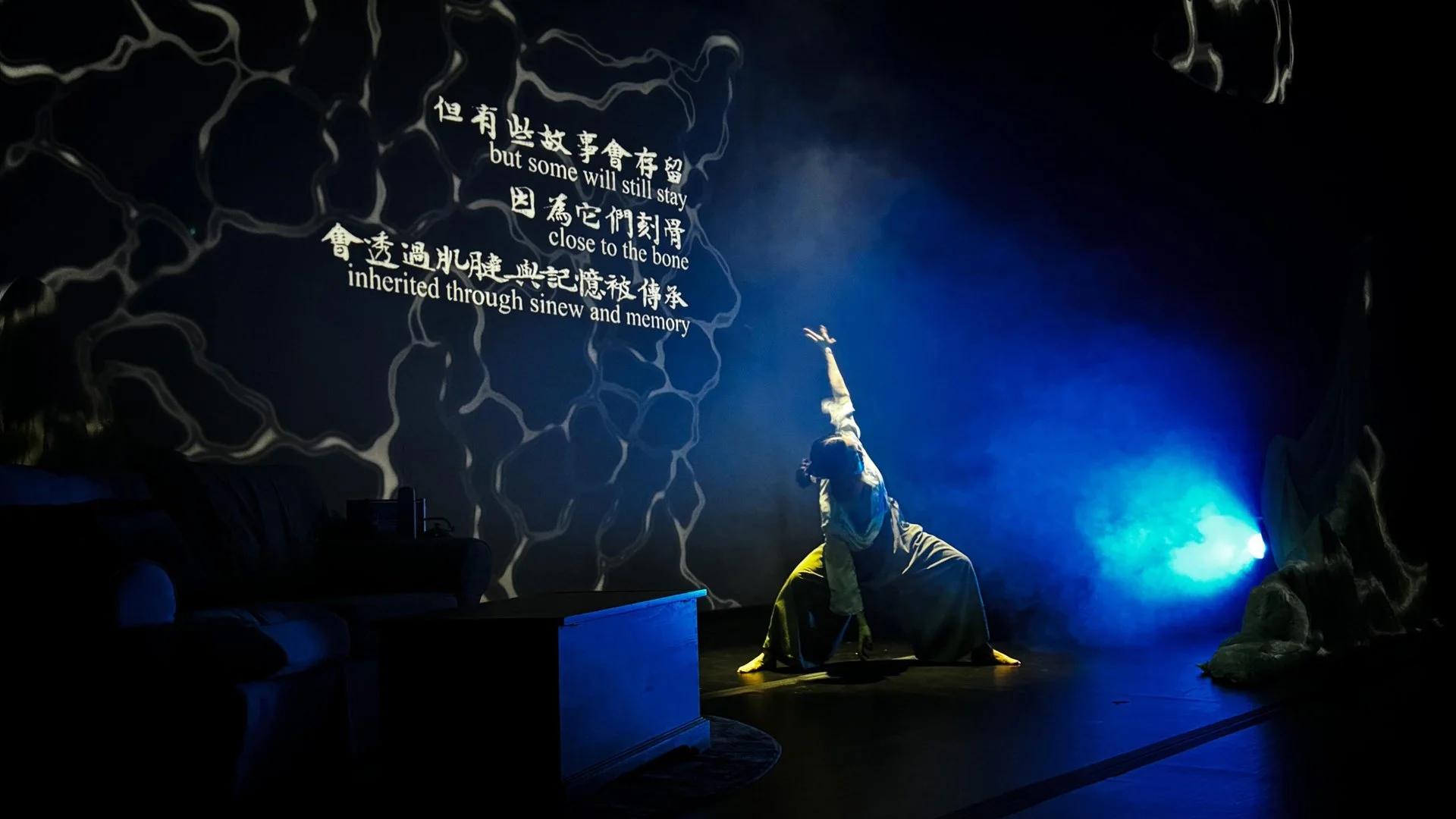
“Intense” was the most accurate way to describe Edge 1’s being, with Holy Body Tattoo alumnus Noam Gagnon, of Vision Impure, as magnetic and emotionally naked as ever. It opened with a stunning projected video sequence of kaleidoscopic images of Gagnon contorting on a white platform.
From there, a duet with local viola innovator Stefan Smulovitz unfolded, the barechested dancer atop a white raised box, writhing and sprawling in a stark lightbulb’s glow. Smulovitz echoed his various moods with the help of a mixing board, distortion pedals, and loopers; when his viola roared and shrieked like an electric guitar, Gagnon convulsed violently, head-banging and reaching desperately from his perch. In quieter, echoey string moments, the dancer became fragile, slumping or pulling into a ball.
In the piece about anonymity and loneliness, the preternaturally chiselled Gagnon often resembled Rodin sculptures—most notably The Thinker’s sense of contemplation and struggle—his muscles and sweat flashing in the light. It built to a kind of communion between Gagnon and Smulovitz, the muse finding solace in the musician. The piece was soul-baring, especially in the tight space.
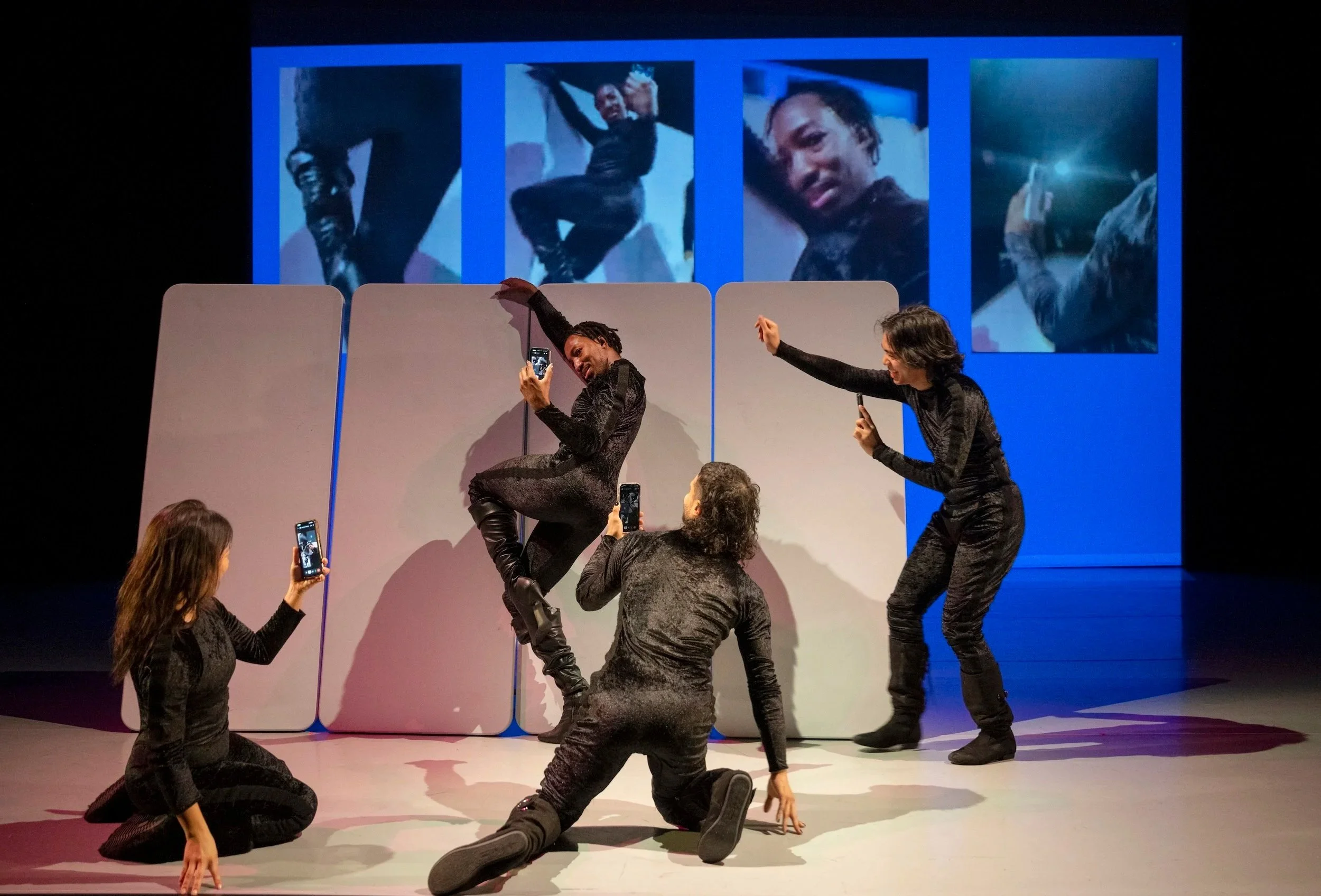
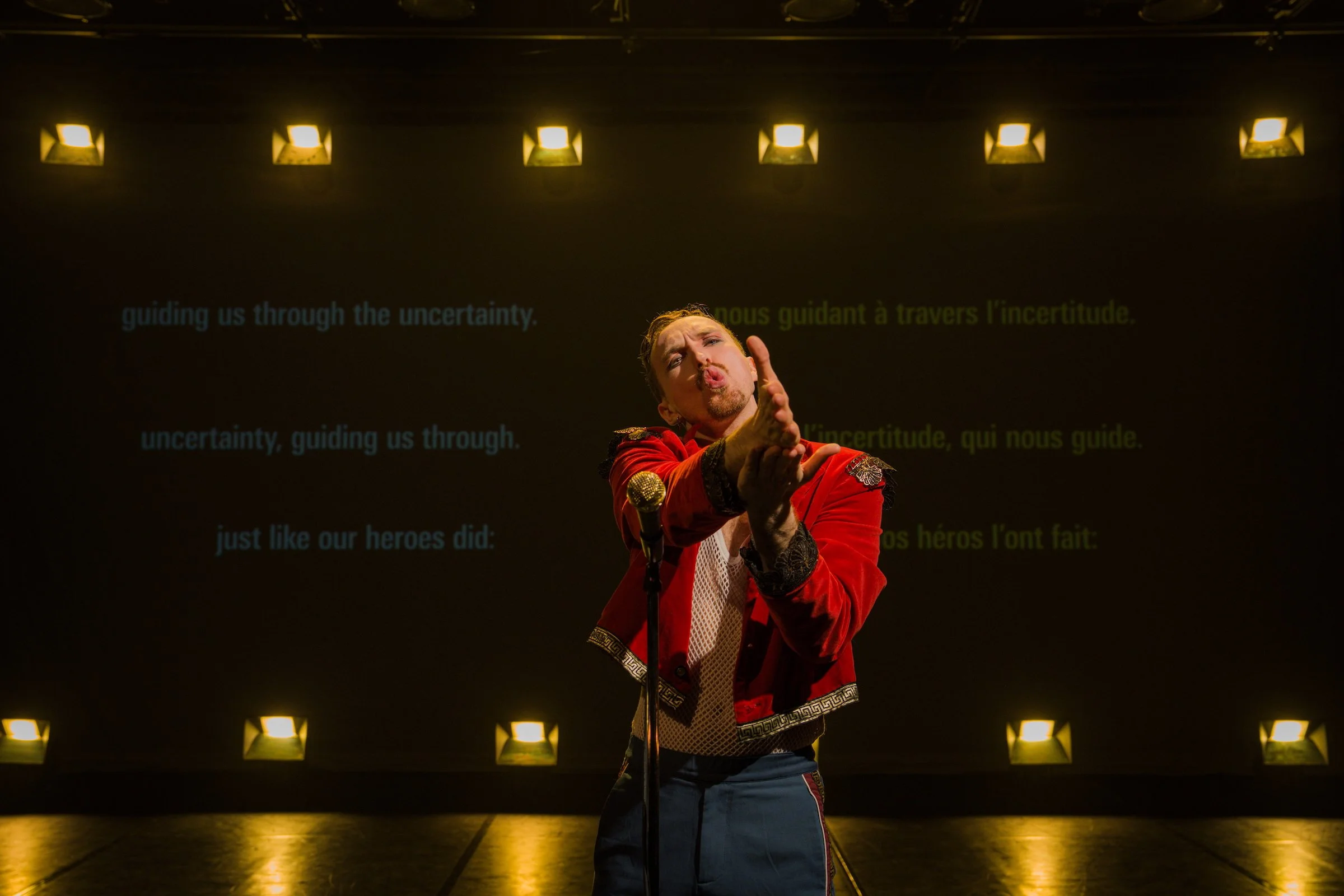
Being paired nicely with a work-in-progress by Newton Moraes called My Dance Is Not a Hobby—a compelling exploration of the acceptance of the self. The artist entered the stage in a flouncy floral dress, taking off his chunky heels and placing them at centre stage. With ritualistic touches, My Dance Is Not a Hobby melded his explorations of his queer identity with the solace he finds through African Brazilian spirituality. Like Gagnon, Moraes fearlessly bared himself.
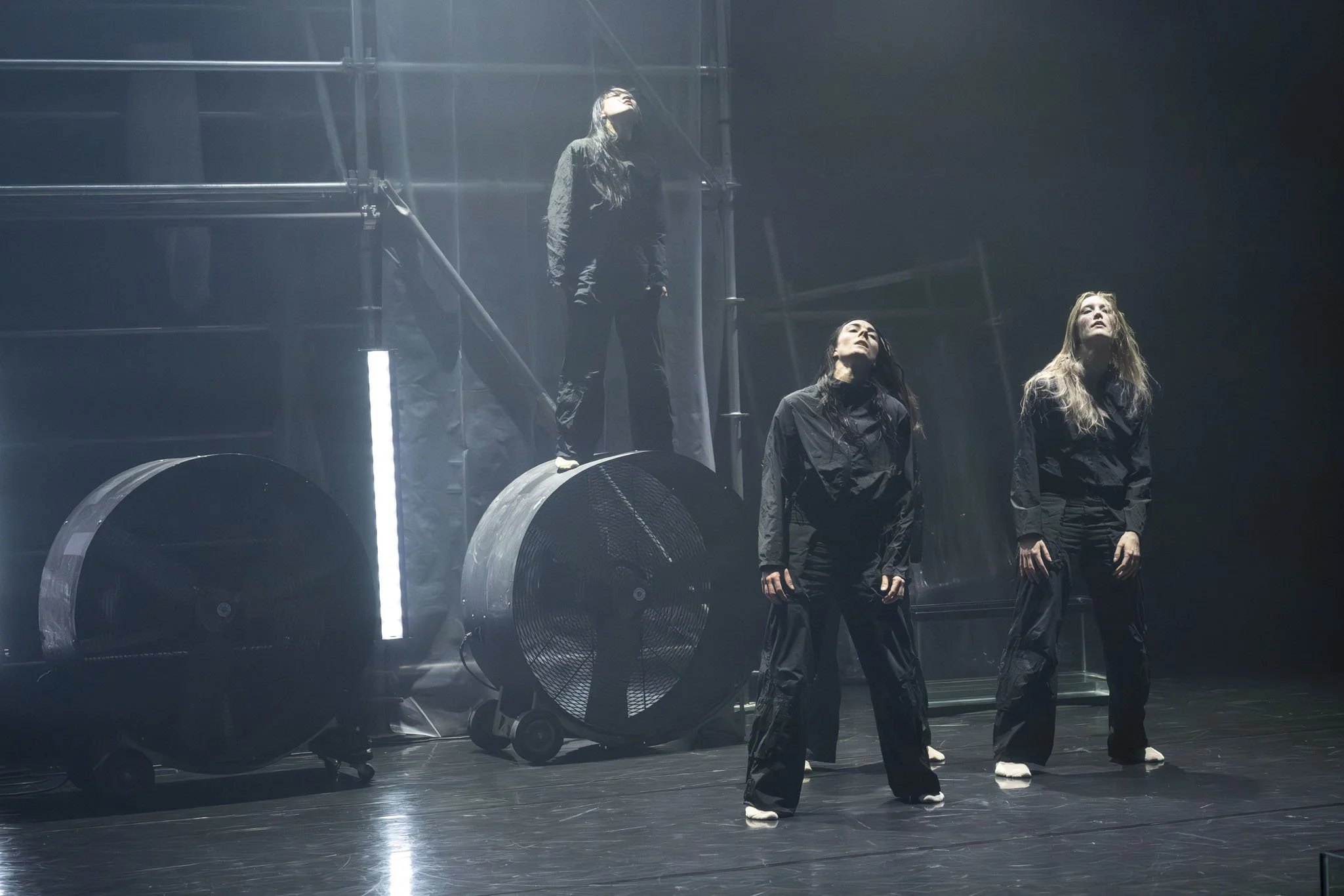
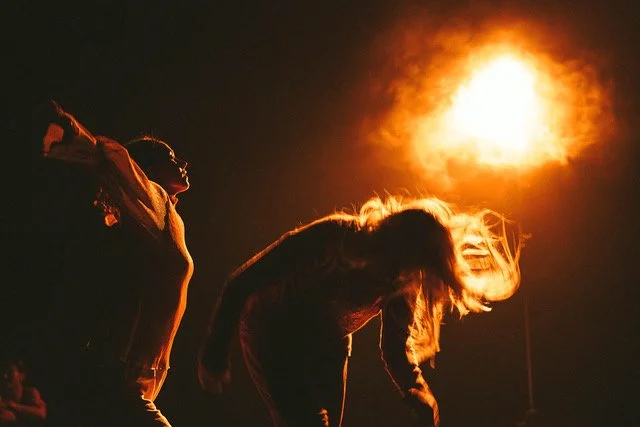
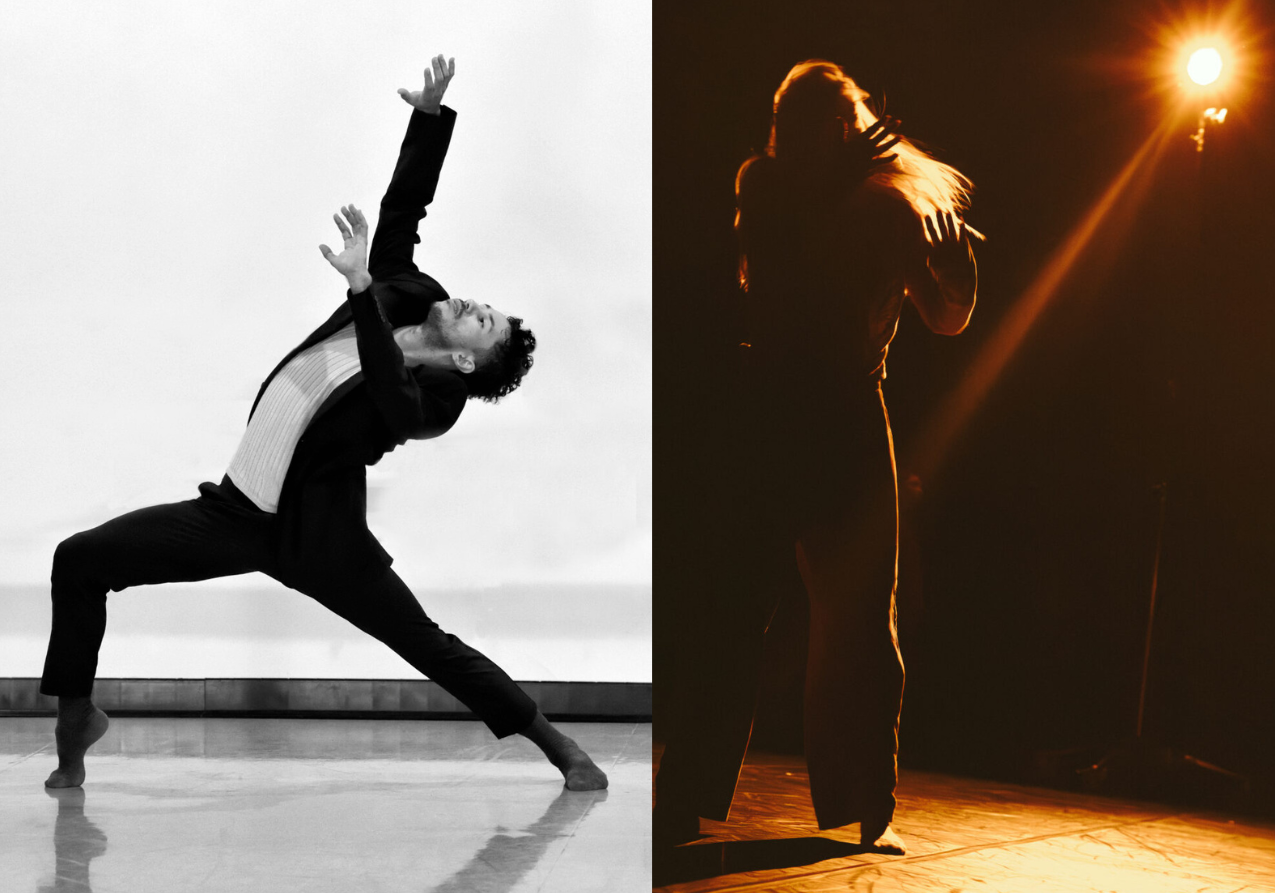
In the Edge 2 program, Windshear had a different feel: choreographed by Inverso Productions artistic director and Nederlands Dans Theater alumna Lesley Telford, the solo featured the fierce and spellbinding Ysadora Dias battling it out against an invisible force—throwing her head back and back, or seeming to dislocate her shoulder against an unseeable violence. Set to the driving rhythms of Philip Glass, it was taut and arresting.
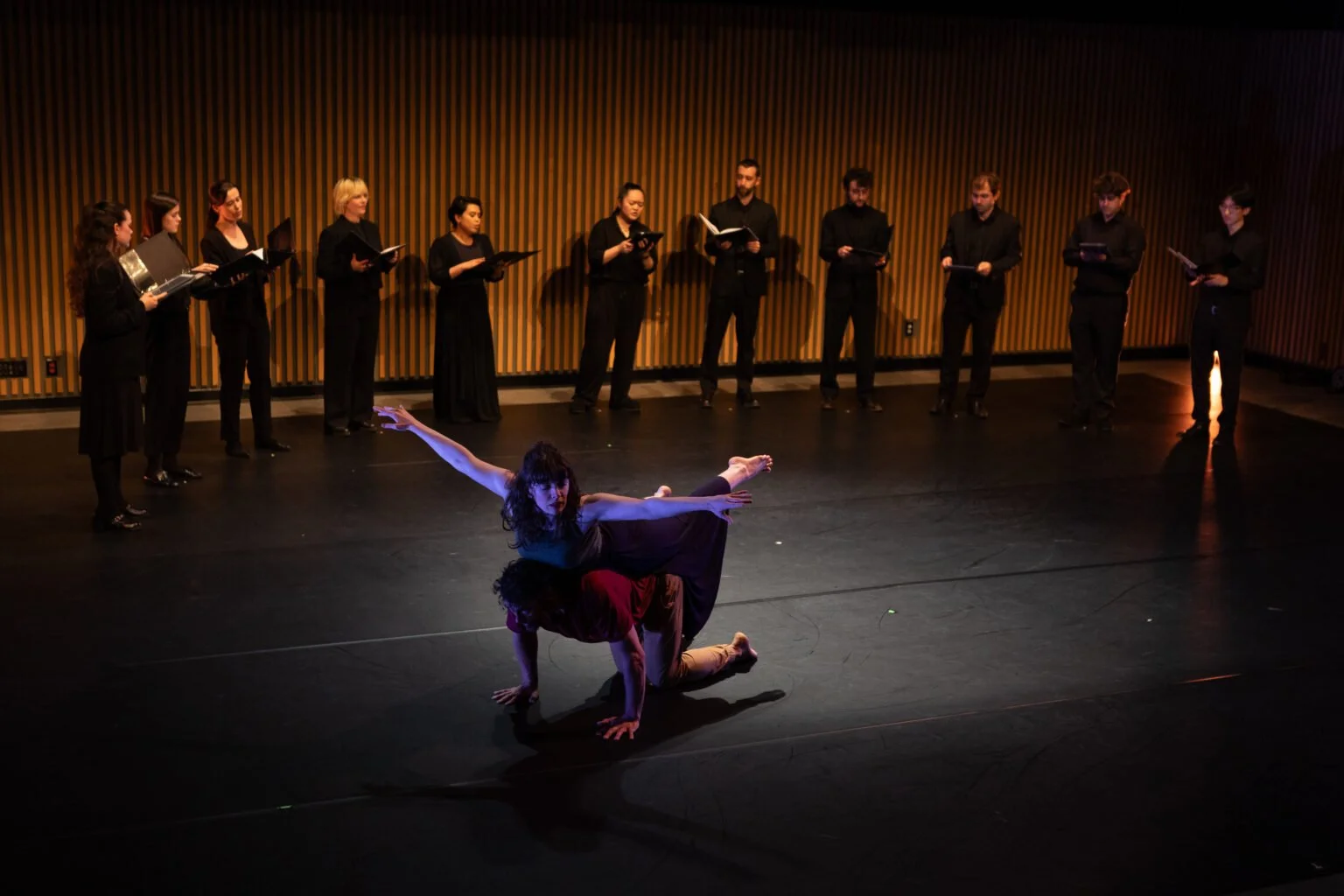
Elsewhere on the program, Telford’s If I were 2 was one of the night’s highlights—offering more proof that bigger isn’t always better. Originally commissioned seven years ago for Ballet BC, the piece made a strong impact in this new reimagining. The work engaged in sophisticated play with Barbara Adler’s clever spoken-word poetry—a soundtrack of her voice that repeated and looped. (“Look at the way you look/you look/the way you look.”) Dancers Eowynn and Isaac Enquist alternately mirrored and echoed each other’s moves at crackling speed. Telford drew on the Narcissus myth, and recently updated the piece with inspiration from the “mirror world” of Naomi Klein’s Döppelganger. Whichever you read into it, it was polished, whipsmart movement—meticulously detailed in the way it played with the concept of doubling, with the Enquists more than up to the physical and conceptual demands.
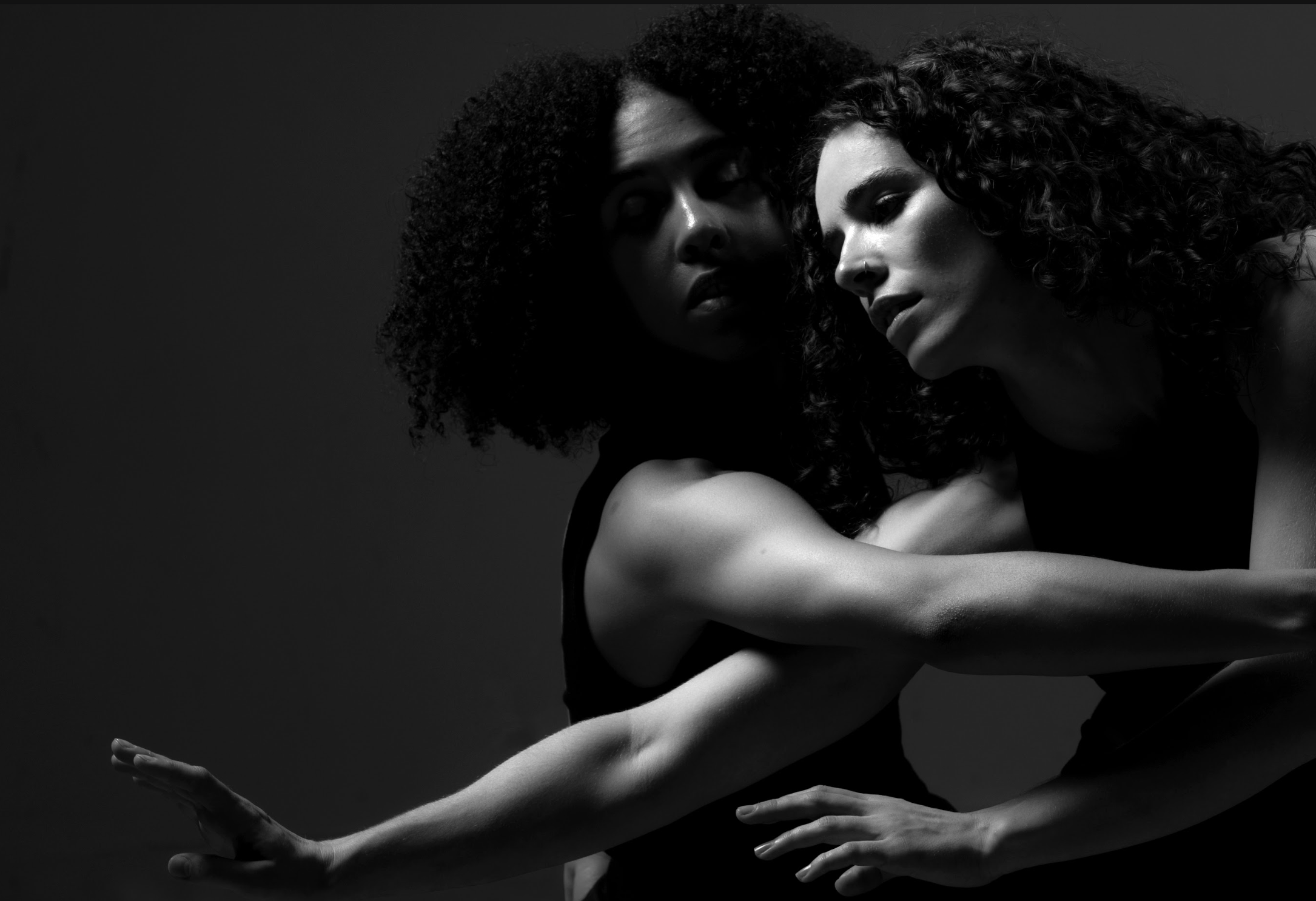
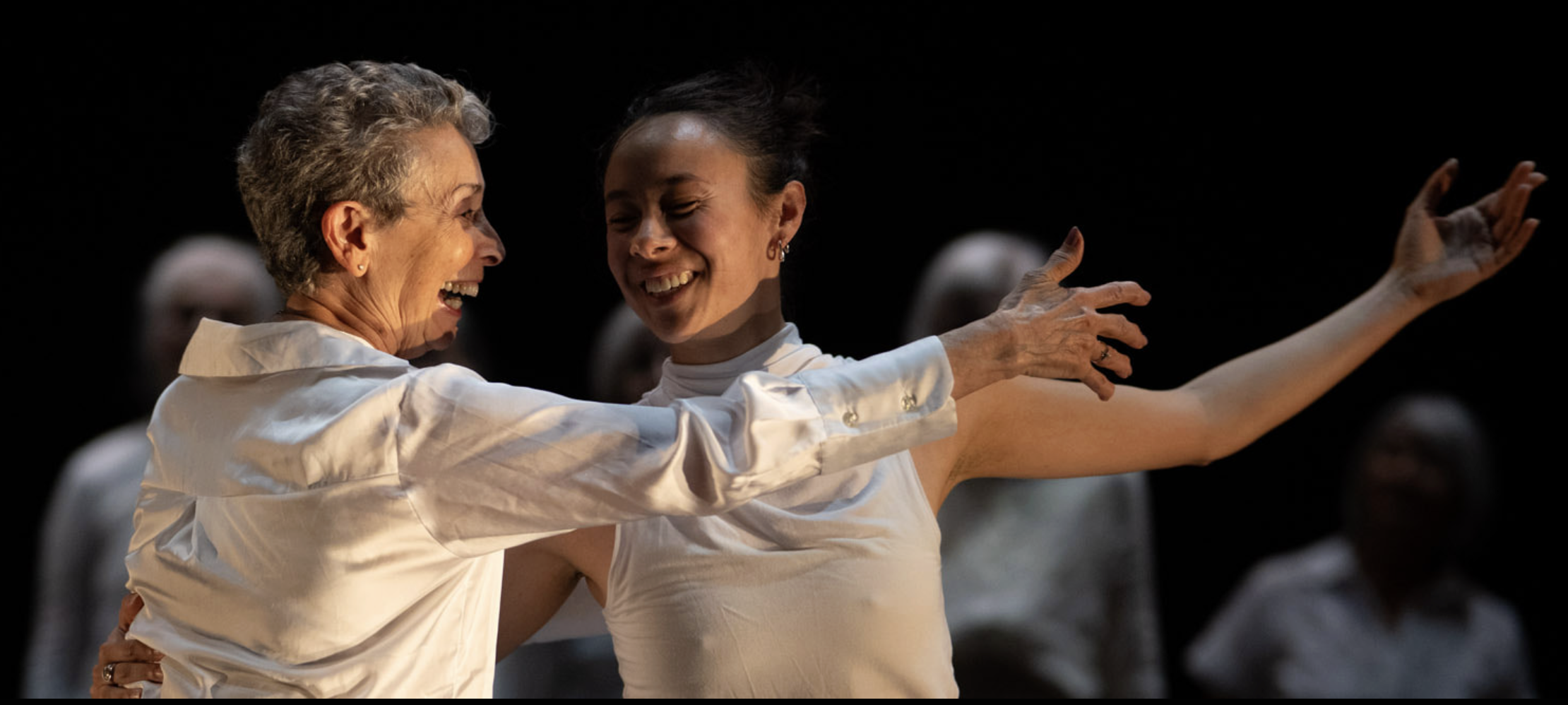
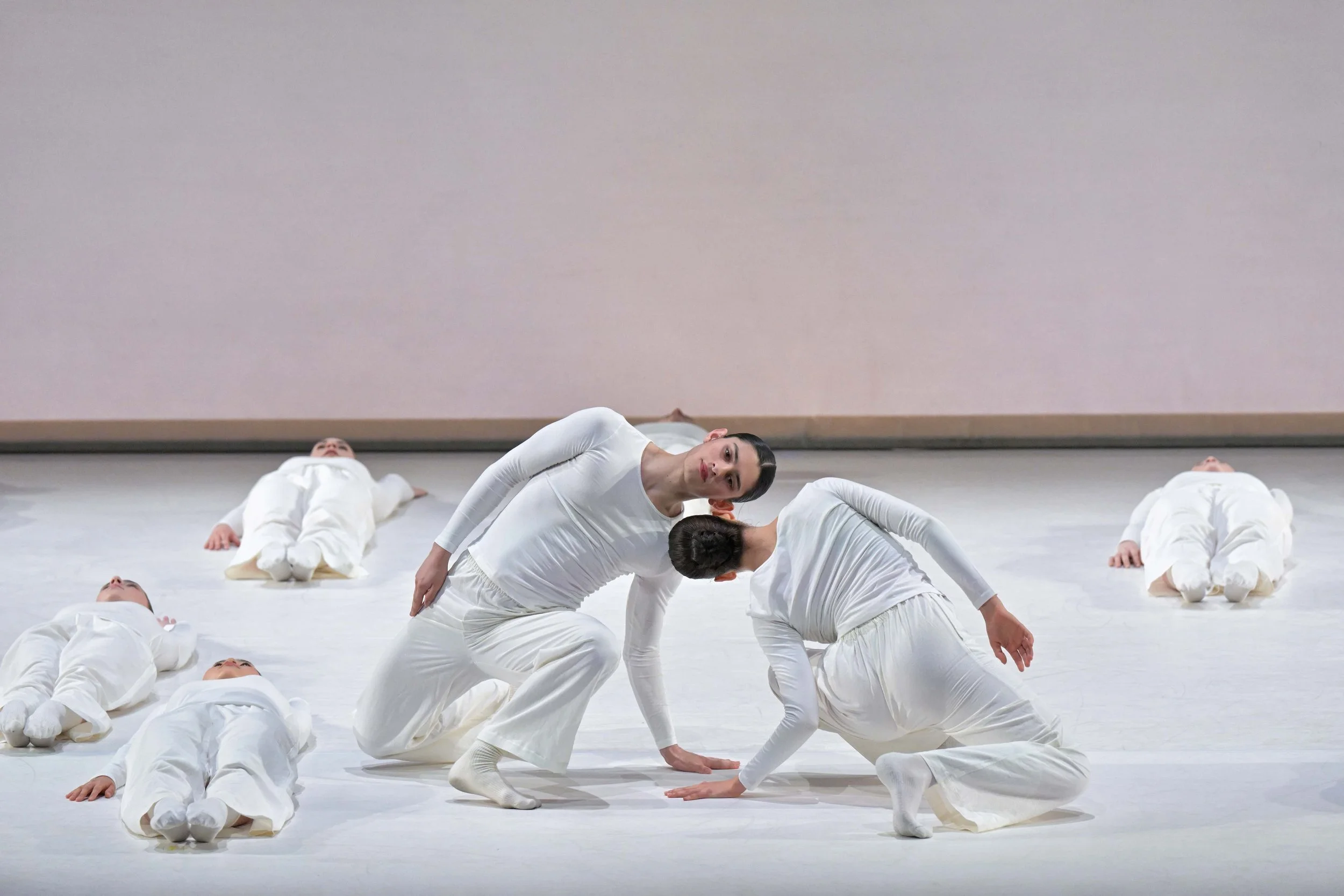
Telford's work paired with one of the most emotionally impactful pieces of the night: Rebecca Margolick and Tushrik Fredericks’s hypnotic to begin with no end. Though the dance started in conflict, the duo proceeded to negotiate a truce, and then a much more profound connection, under sepia light—acts that bore all the more weight when you knew one dancer is Jewish and the other is Muslim. There was mirroring and repeated movements here, too; sometimes both seemed to perform ablutions, over and over, with invisible water. In fact the entire work felt like a sacred, private ritual, set to a rising, driving electroscore. The dancers fully invested themselves in the physical and emotional demands of a piece that worked its way to a stunning moment of bonding and collapse. It was cathartic, and a beautiful echo of the repetition, endurance, and struggle of the other small but mighty works. 

Related Articles