Playwrights Pedro Chamale and Marcus Youssef joyfully throw jabs in all directions in East Van Panto: West Van Story
Duo complicates East-West rivalries and draws on everything from Shakespeare to Gen Alpha slang in a music- and dance-filled installment of the Theatre Replacement tradition

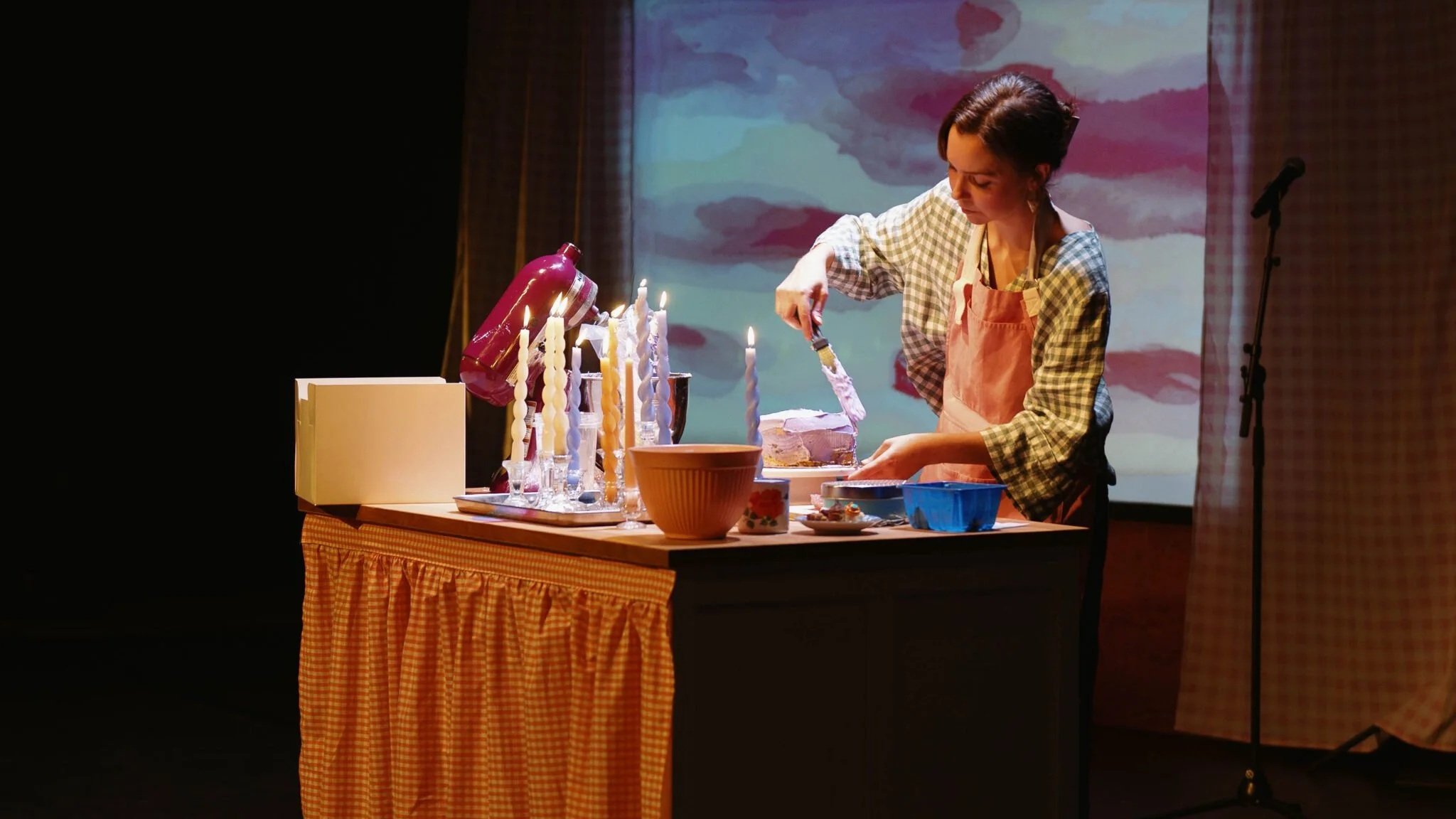
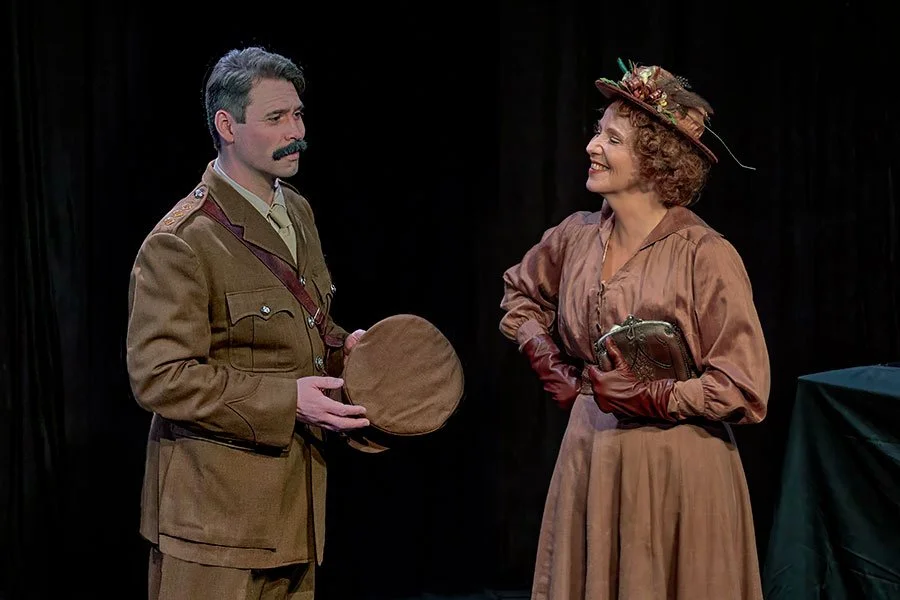
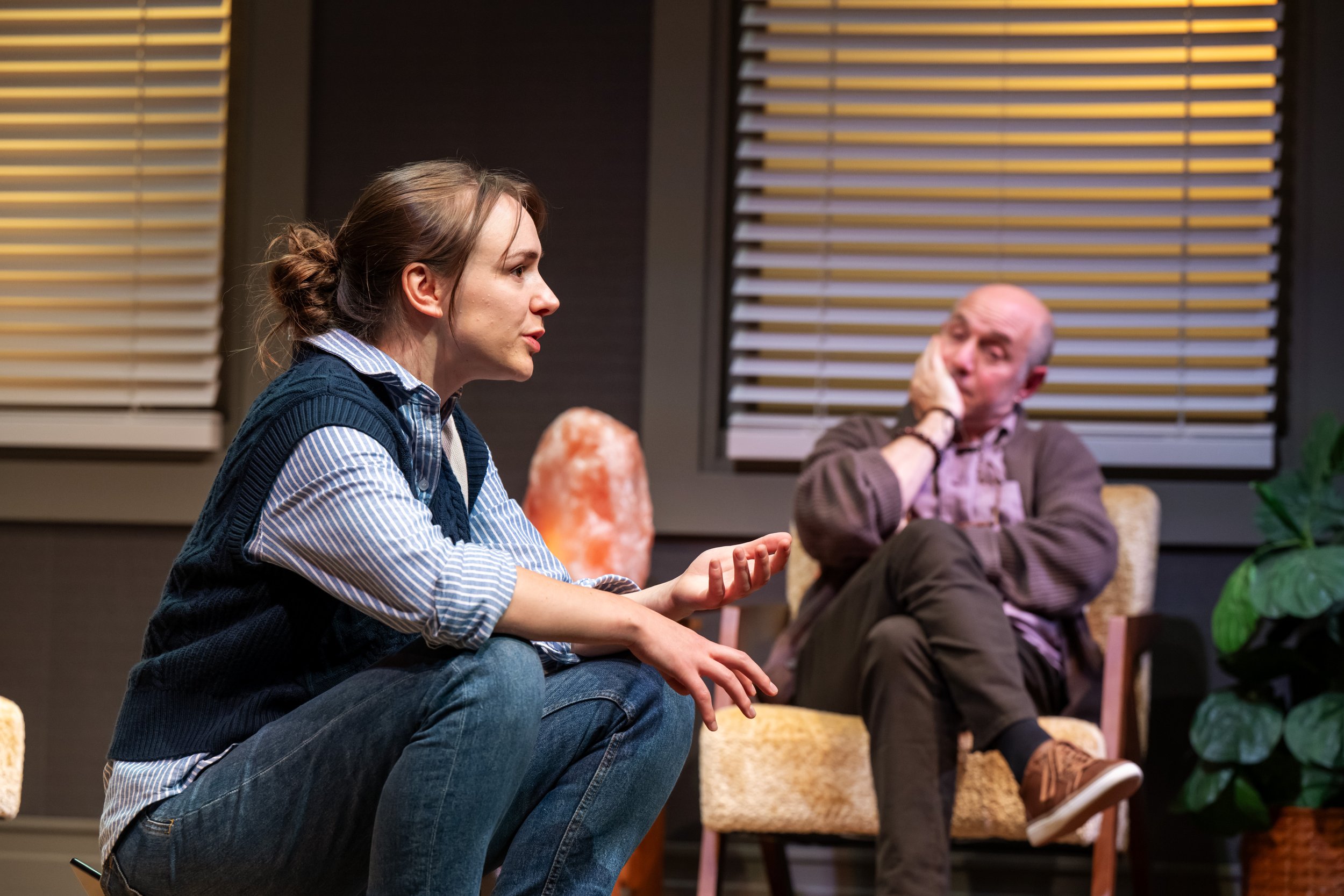
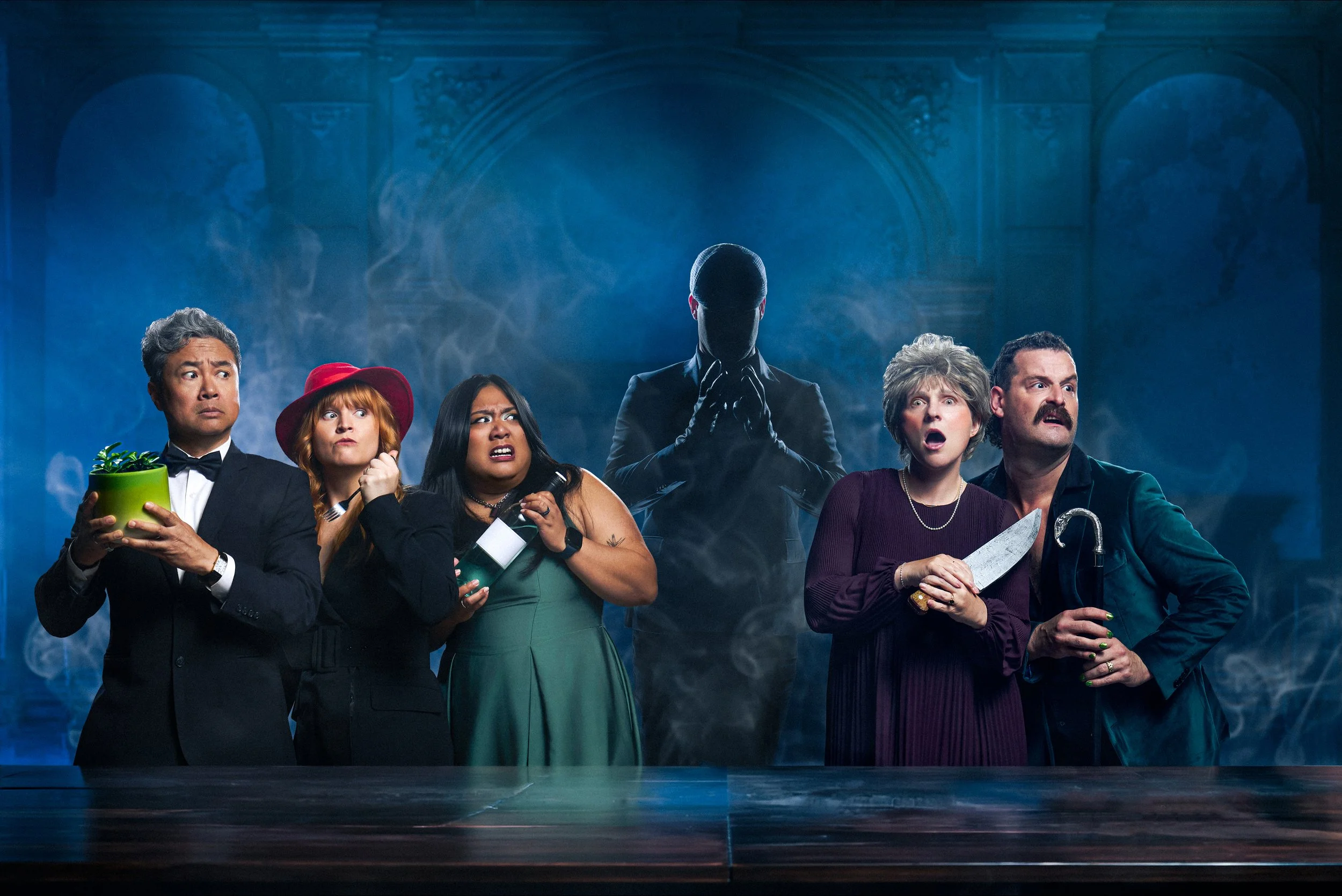
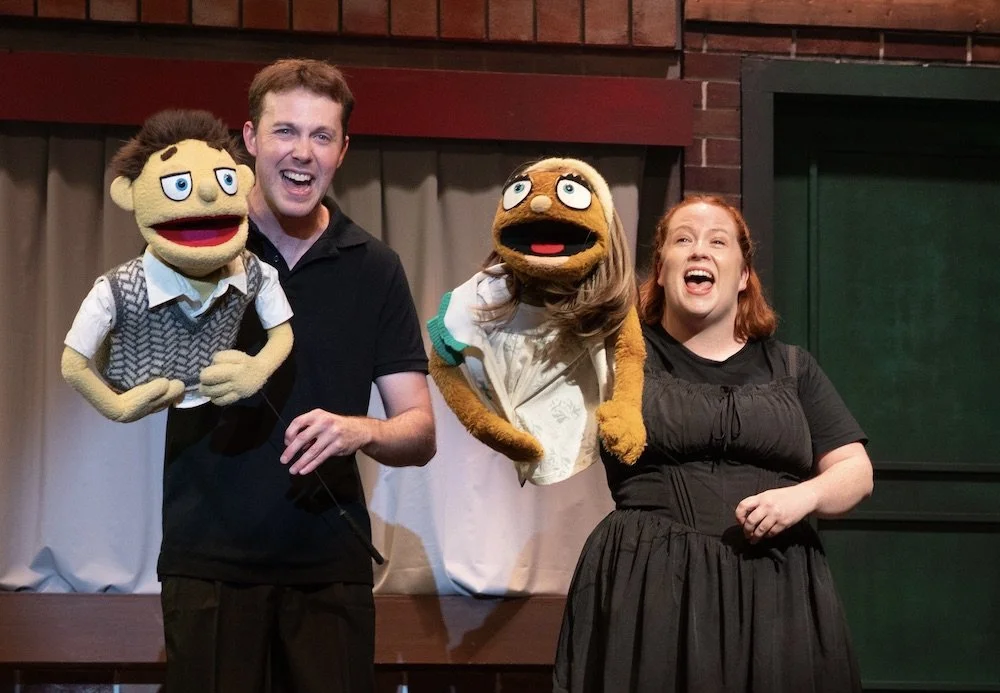
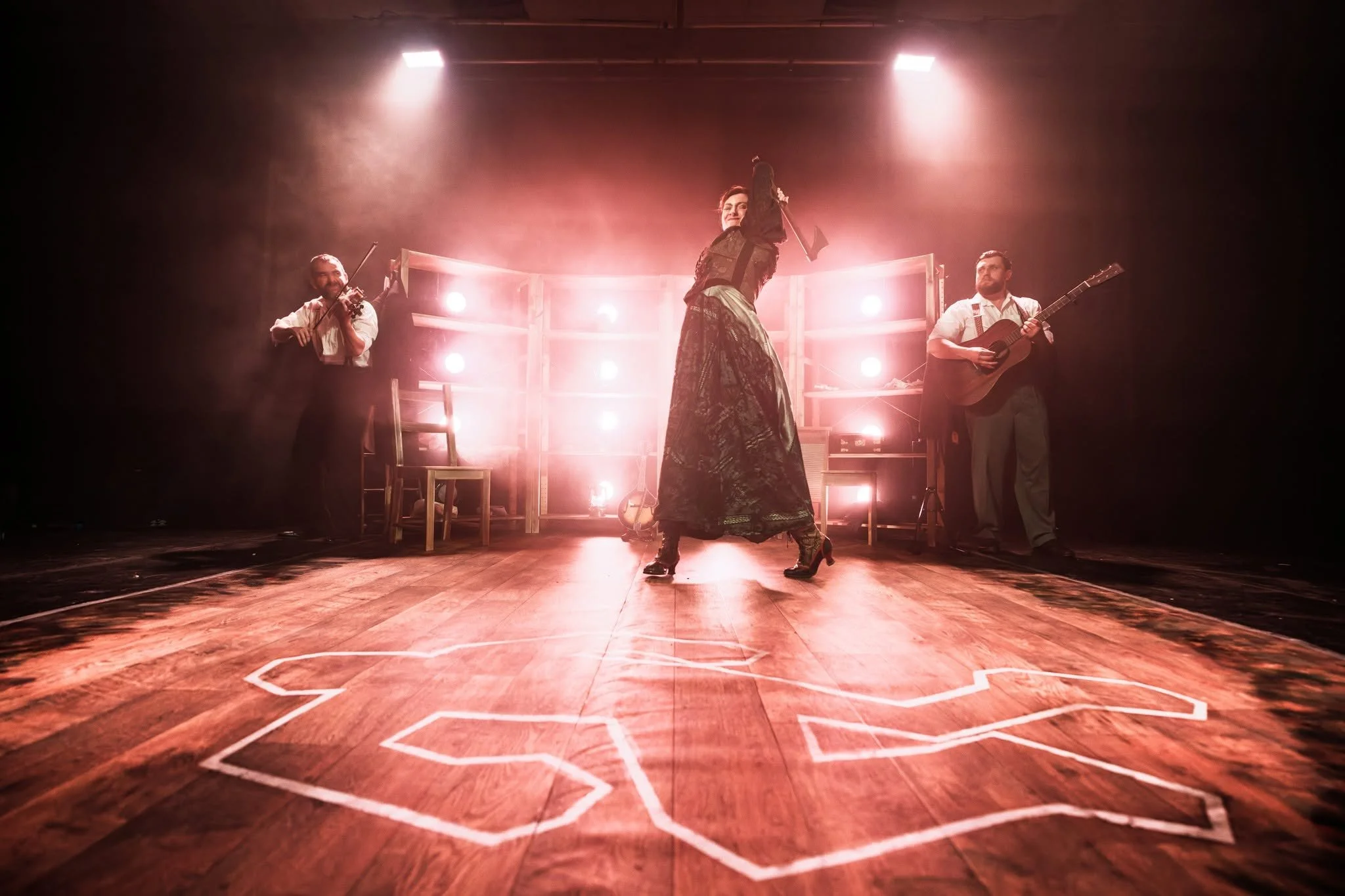
East Van Panto: West Van Story. Photo by Emily Cooper Photography
The Cultch presents Theatre Replacement’s East Van Panto: West Van Story at the York Theatre from November 21 to January 4
THERE’S NO DENYING it: digs at West Van have sparked some of the East Van Panto’s biggest laughs over the years.
Fond memories include Snow White getting held captive in the upper-class enclave, and Beauty and the Beast’s British Properties snob terrified to be slumming it on the mean streets of Venables and Clark.
With the 2025 rendition of the raucously popular holiday show, titled East Van Panto: West Van Story, you may expect the bad guys and good guys to be split by the Burrard Inlet. But in a production that draws liberally from West Side Story and Romeo and Juliet, co-playwrights Marcus Youssef and Pedro Chamale prove the rivalries are not so simple.
“I think the responsibility of any good satire—and the Panto is family-friendly satire in my mind—is to point the satire at ourselves as well,” says long-time East Van resident Youssef. “Satire that only satirizes who we all might consider ‘the other’ isn’t interesting to me. And so yes, absolutely, any community is full of all sorts of contradictions and little identities that it has for itself that may or may not always be true.”
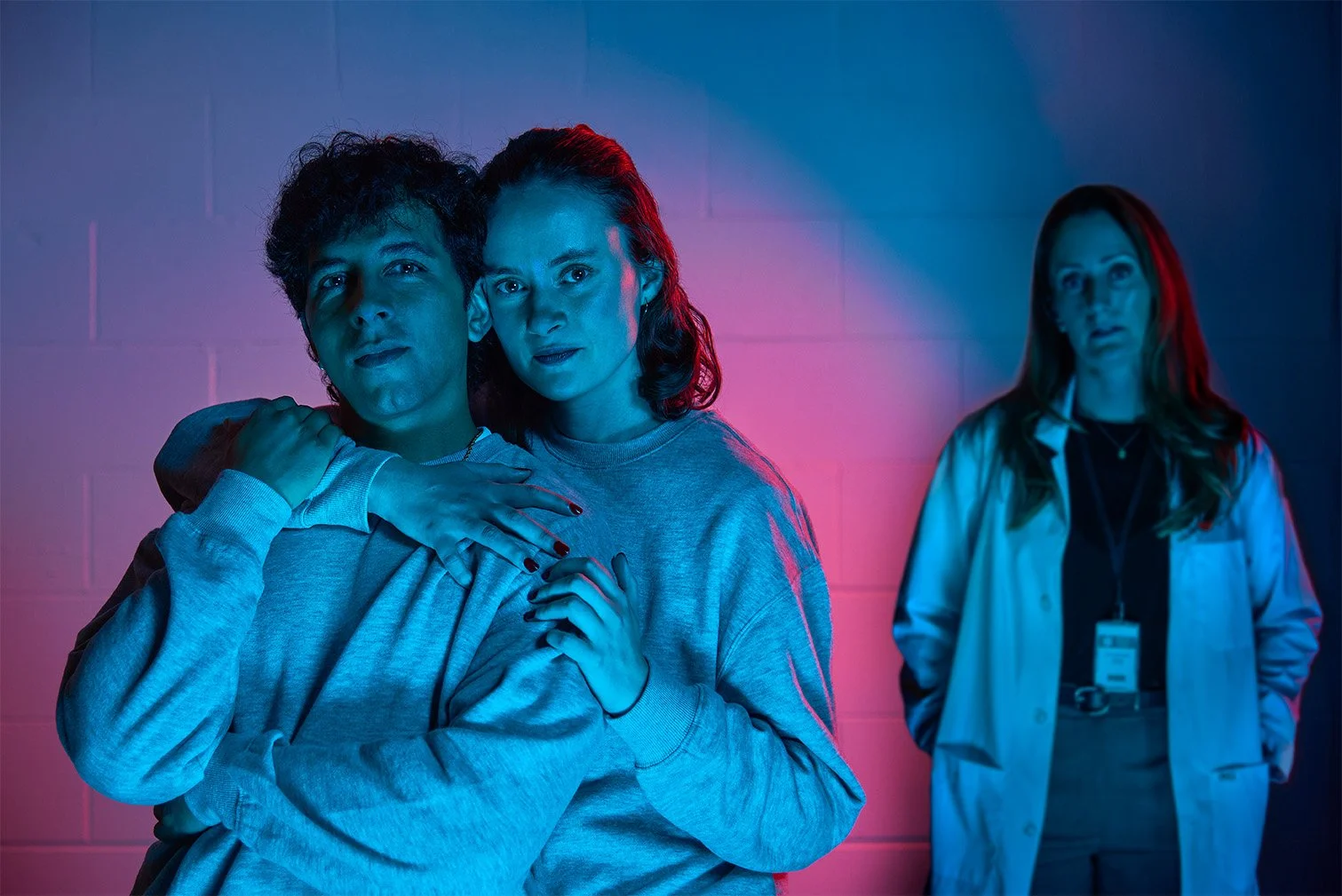
So West Van Story features a North Shore megadeveloper trying to boot out renters and build towers in East Van. But there’s also a character from over the Lions Gate named Holly who feels the pull of the East Side.
“The neighbourhood of the Drive, and its history and its political leanings, calls to her—she feels like it’s a more fulfilling life over there,” says Chamale.
The playwrights have also made sure to paint the complexity of gentrification east of Main. Holly’s curling team, the Hurry Hards, is ready to take on the East Van Pets, a gang whose members are named after Commercial Drive shops deep-sixed by development. For example, Holly’s “Romeo” love interest is named Joes, an ode to the now-gone home of the Drive’s best cappuccino.
“It’s in tribute to the old Drive, and that’s another thing that’s actually really kind of active in the piece,” Youssef explains. “What happens when things change? That’s where there’s some poking fun at East Van, because change is inevitable. But it’s done in such a way that those who are being changed have very little voice in how it occurs.”
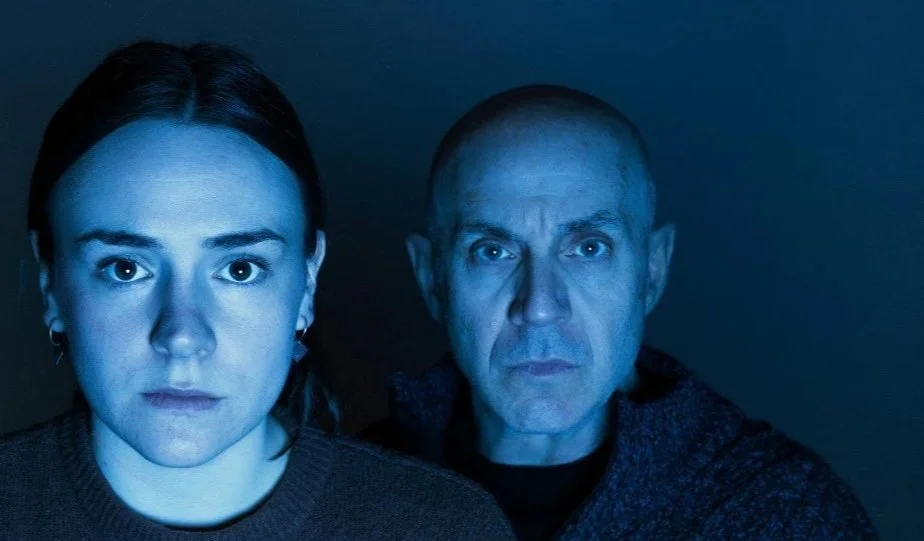
This is the first stab at the Panto for Chamale, the co–artistic director of rice & beans theatre who’s written works like Peace Country. And a lot of politically satirical ideas churned between him and Youssef—a Siminovitch Prize–winning playwright who still counts East Van Panto: Wizard of Oz as one of the most satisfying projects of his prolific career. Together, they represent two generations of theatre in Vancouver. Chamale says the enthusiastic play on class war in West Van Story may in part trace back to his own background, as the son of a coalminer in Chetwynd, B.C. Mixed with that are Youssef’s own deep roots on the Drive, not to mention his gift for sociopolitical satire that dates back to his Bush-era The Adventures of Ali & Ali and the aXes of Evil.

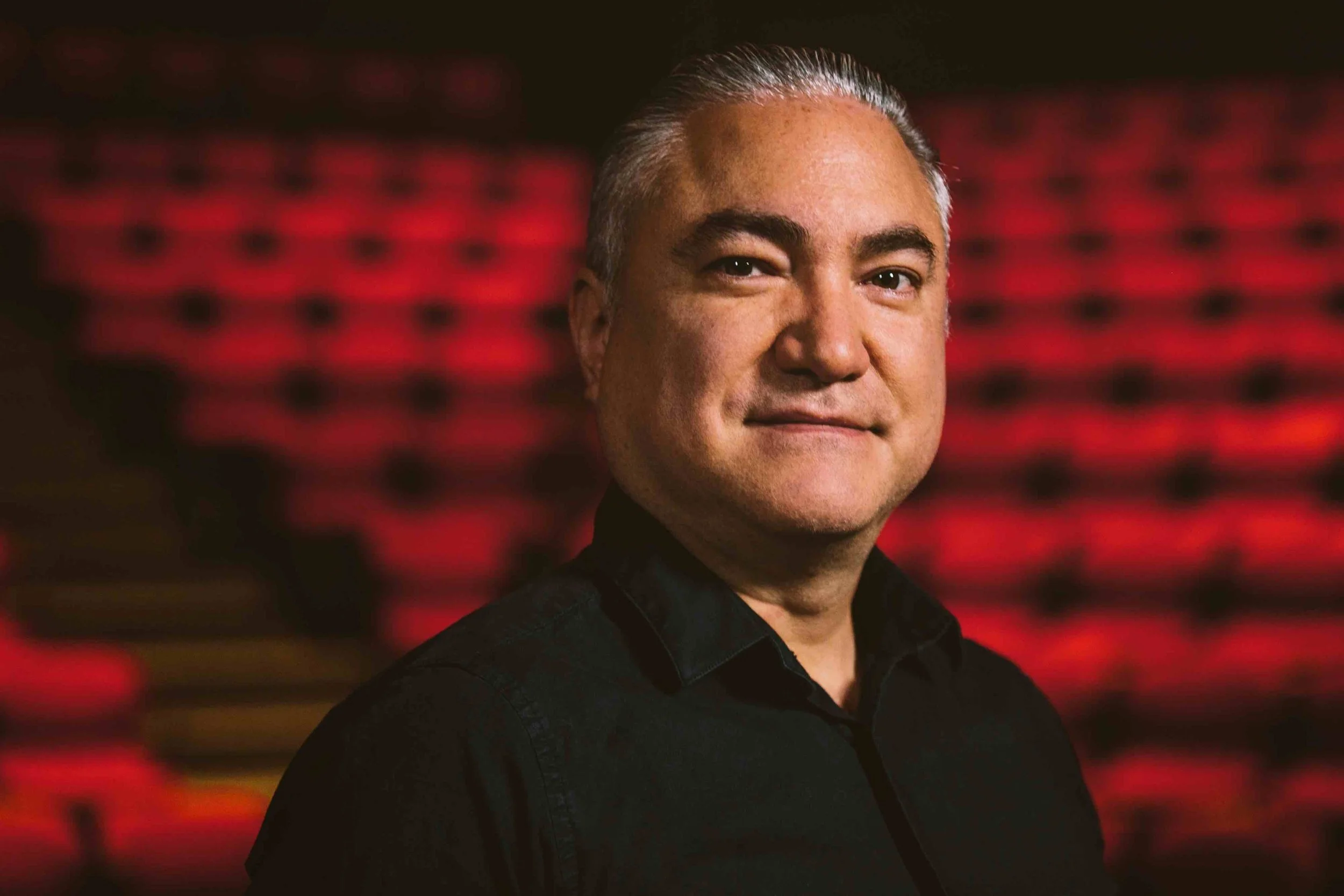
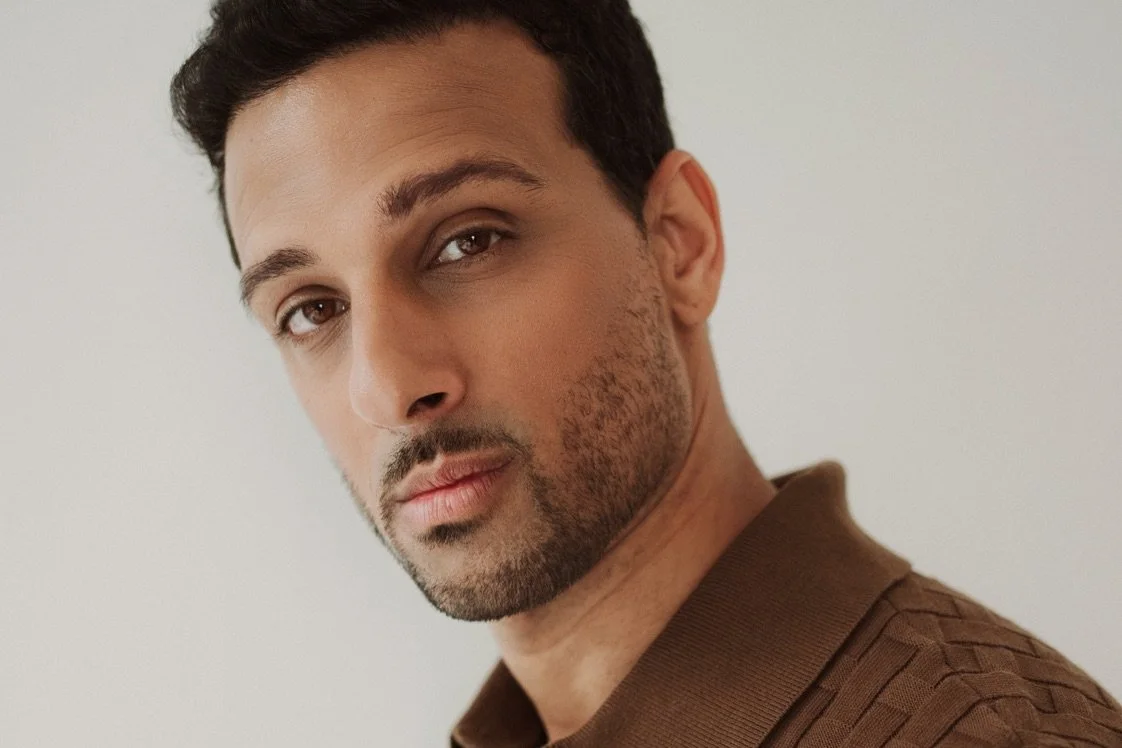
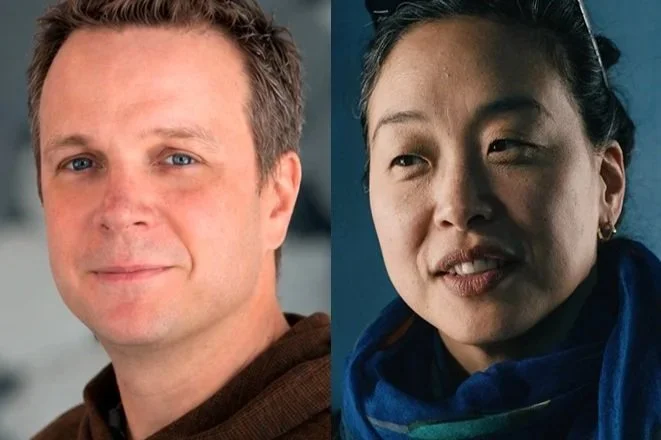
Marcus Youssef

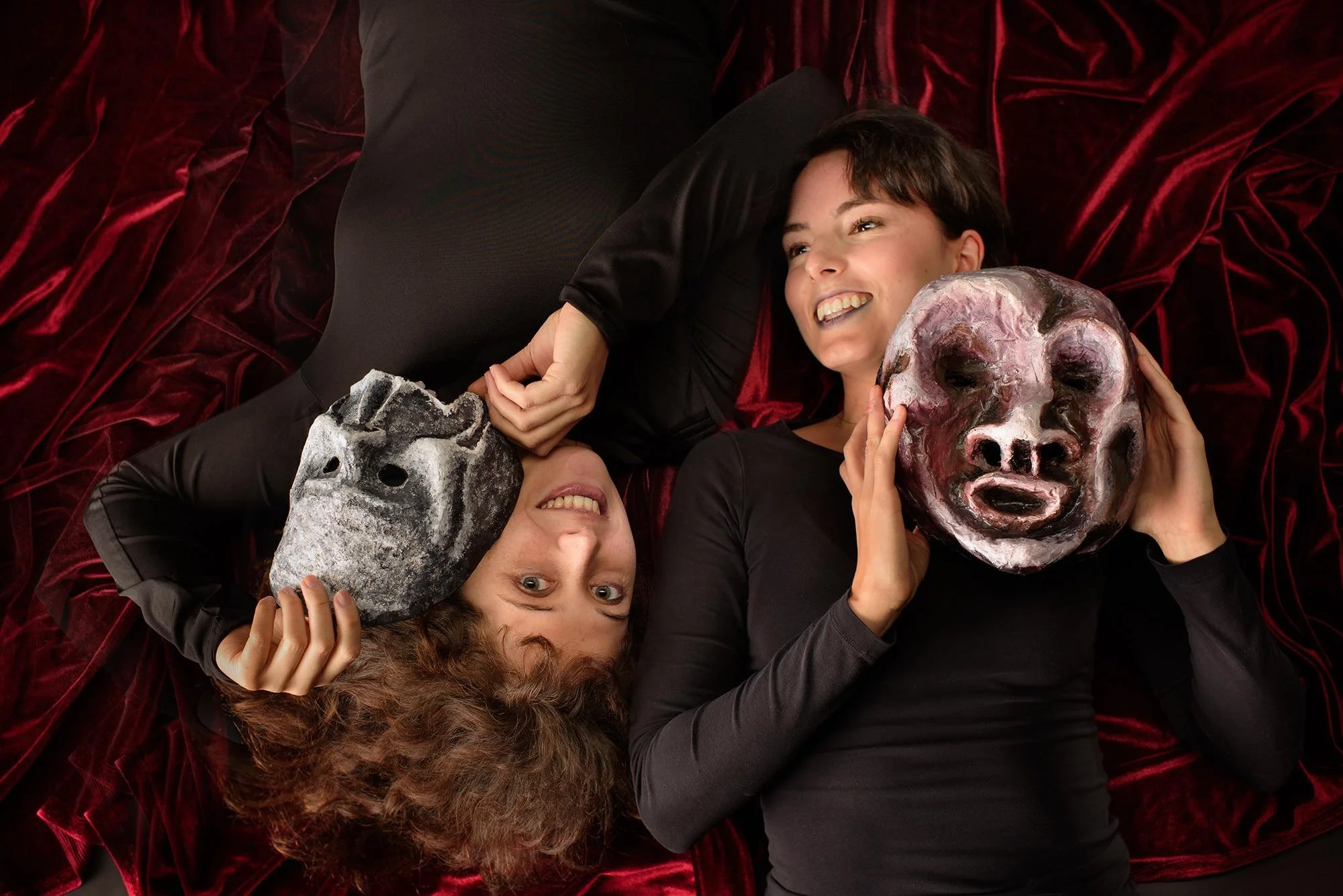
Pedro Chamale
The hyperlocal narrator in West Van Story? Without giving too much away, Youssef implies that it’s a certain iconic, text-based public artwork (hint: it’s in the shape of a cross) that is also being dwarfed by development. The writing team plays it off a truly inspired West Van equivalent that we won’t reveal here.
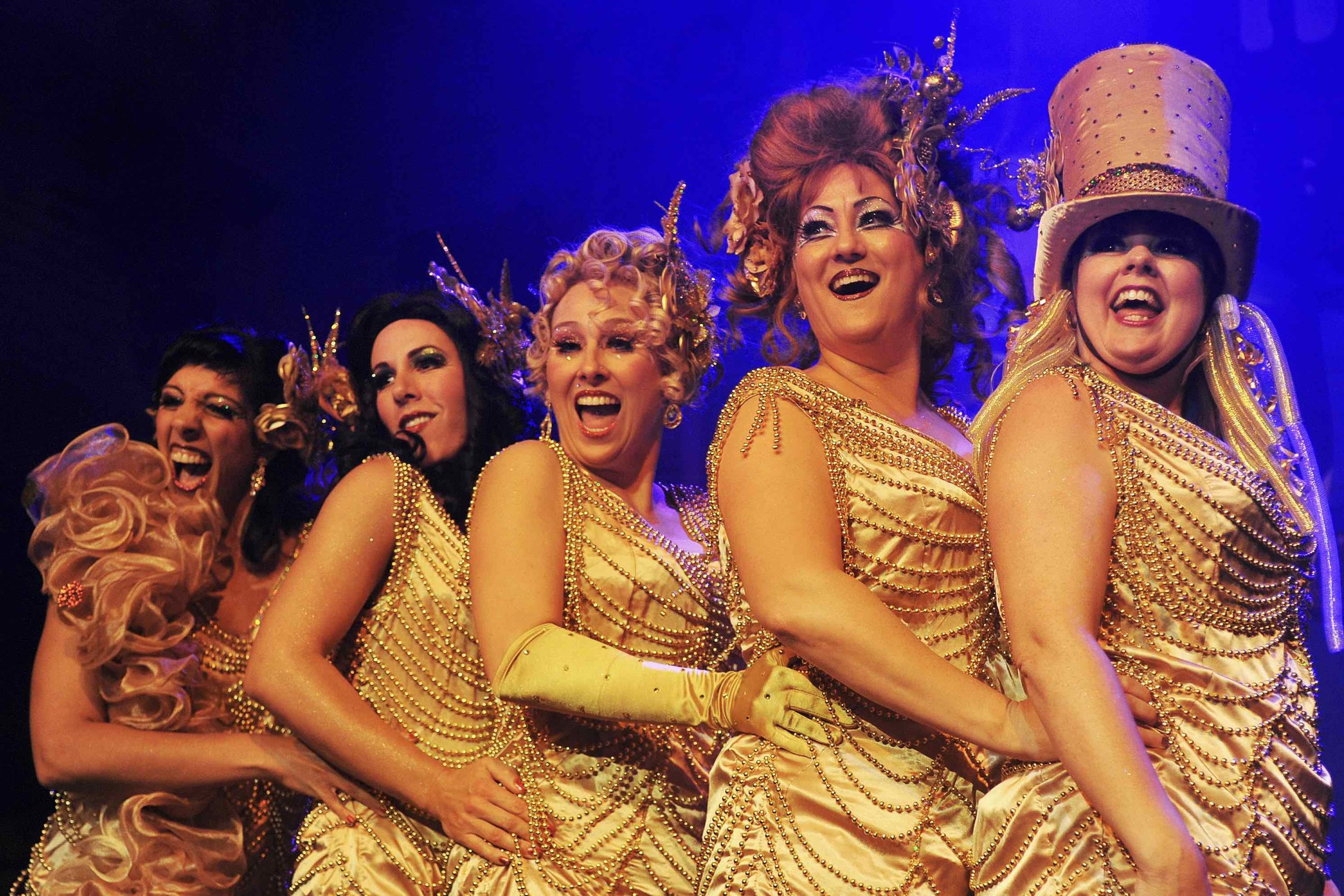
West Van Story also breaks a bit of new ground for Theatre Replacement’s now 13-year-old tradition: it’s not based on a fairy tale. But more importantly, its source material allows for tons of genre play. On one hand, that means several nods to Shakespeare. On the other (after the playwrights’ multiple viewings of both film versions of West Side Story), it gleefully draws on song-and-dance musicals, with Veda Hille’s tunes and Amanda Testini’s choreography taking on an even more prominent role than usual. (Things reportedly even build to a raucous dance battle.)
Adding to this year’s ambitions are Youssef’s direct—and hilarious—attempts to reach Gen Z and Alpha, care of his source material: Andy Thompson’s lowkey-fire book of contemporary slang, Generation Alpha Dictionary: A Guide to the Language of Tomorrow. And yes, that means “six-seven”—and a slew of other phrases those approaching retirement won’t remotely comprehend.
Youssef built a scene around the vernacular, and when he saw the Studio 58 theatre students taking part in the production laughing, he knew he’d nailed it. Not that he precisely knew what was so funny.
“At the first read-through they just killed themselves over all this stuff that I literally don’t understand and I just copied it out of a book,” he enthuses. “It’s critical to me that the Panto speak kind of honestly to kids as much as it does to adults—and in fact, ask adults to pay closer attention to what that culture might be. I enjoy doing that.”
Both playwrights seem driven by the knowledge the Panto is one of Vancouver’s rare theatre events that brings generations and communities together—despite the all-in-fun jabs.
There is, however, a responsibility that comes with managing the controlled chaos of what has become a beloved tradition. Chamale, on his first outing, is thrilled to embrace that.
“I’m soaking in so much, being in that room and learning from everyone—all these senior artists that I’ve looked up to, and feeling a part of it,” he says. “I think running a small indie company for 15 years can really make me feel like we’re on our own and slugging it out. And this shows we’re not on our own.
“The Panto is bigger than anything I’ve ever taken on—I can’t believe, like, 16,000 people see the Panto every year,” Chamale adds. “That’s probably more than all of the works I’ve ever done. It feels big and chaotic because we’re trying things. There’s choreography, there’s music, there’s props, and people are always doing stuff—we’re trying to smash this all in together and the energy is so high. But it’s the best kind of chaos, because the chaos slowly kind of synchronizes and then you have these magical moments.” 
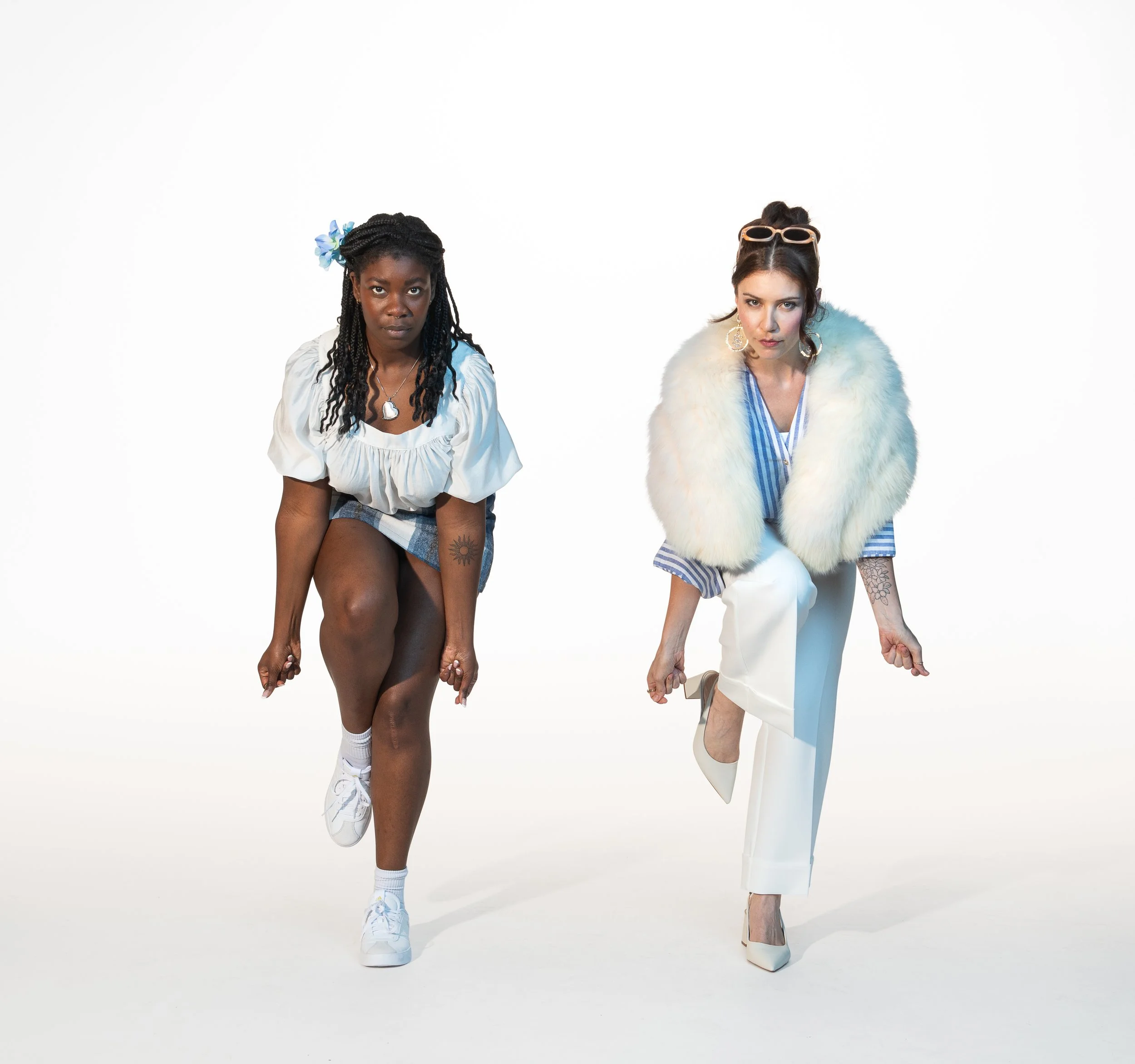
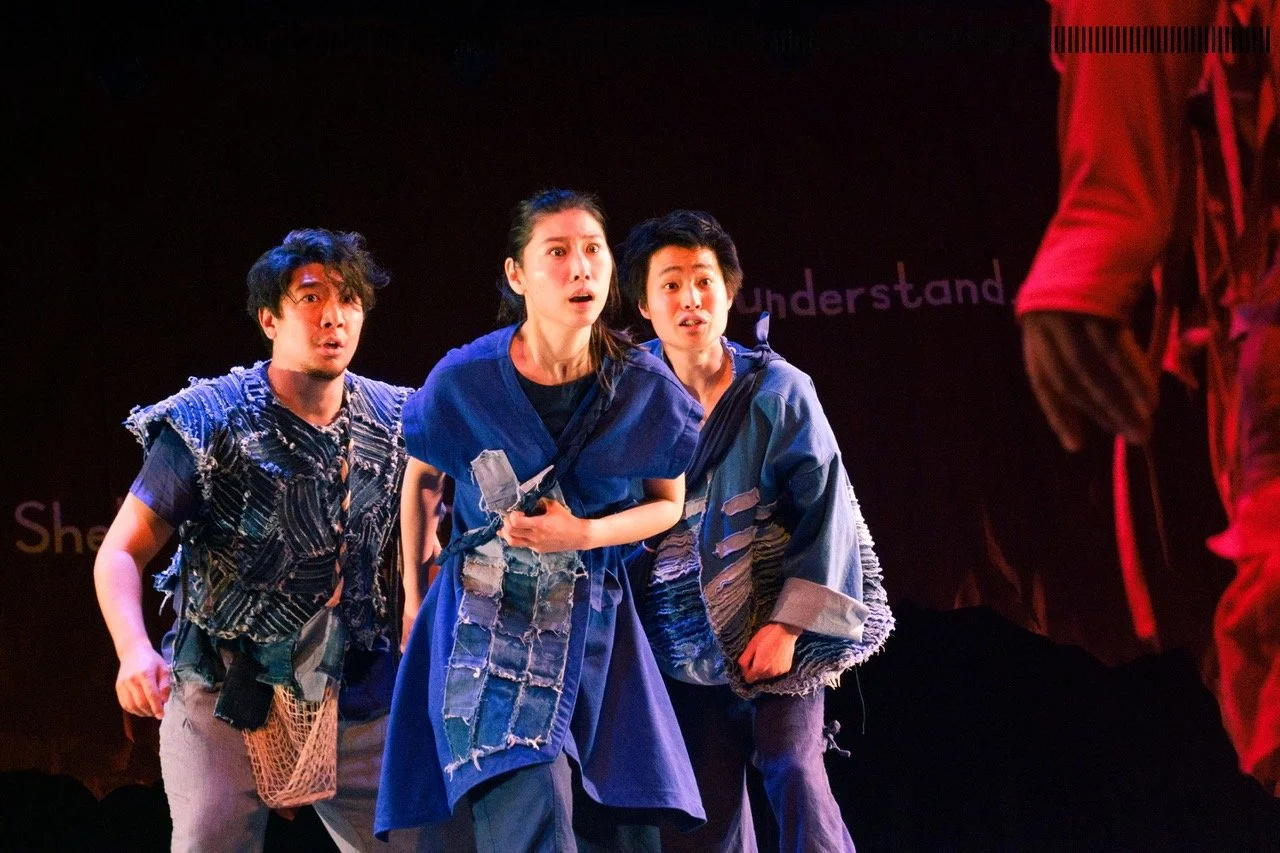
East Van Panto: West Van Story. Photo by Emily Cooper Photography

Related Articles